Blog

  • Healthy Habits: A Complete Science-Based Guide to Building Lifelong Positive Behaviors

    Healthy Habits: A Complete Science-Based Guide to Building Lifelong Positive Behaviors

    Introduction

    Healthy habits are routine behaviors performed automatically that contribute positively to physical health, mental well-being, and overall quality of life. Unlike willpower-dependent actions that require constant conscious effort, habits operate through automatic cognitive processes that make healthy choices feel natural and effortless over time. The science of habit formation reveals that approximately 40-45 percent of daily behaviors are repeated in the same context each day, meaning nearly half of your life operates on autopilot. By intentionally shaping these automatic patterns, you can transform your health without relying on motivation or discipline alone. This comprehensive guide provides evidence-based strategies for understanding, building, and maintaining healthy habits across all dimensions of wellness.

    What Are Healthy Habits?

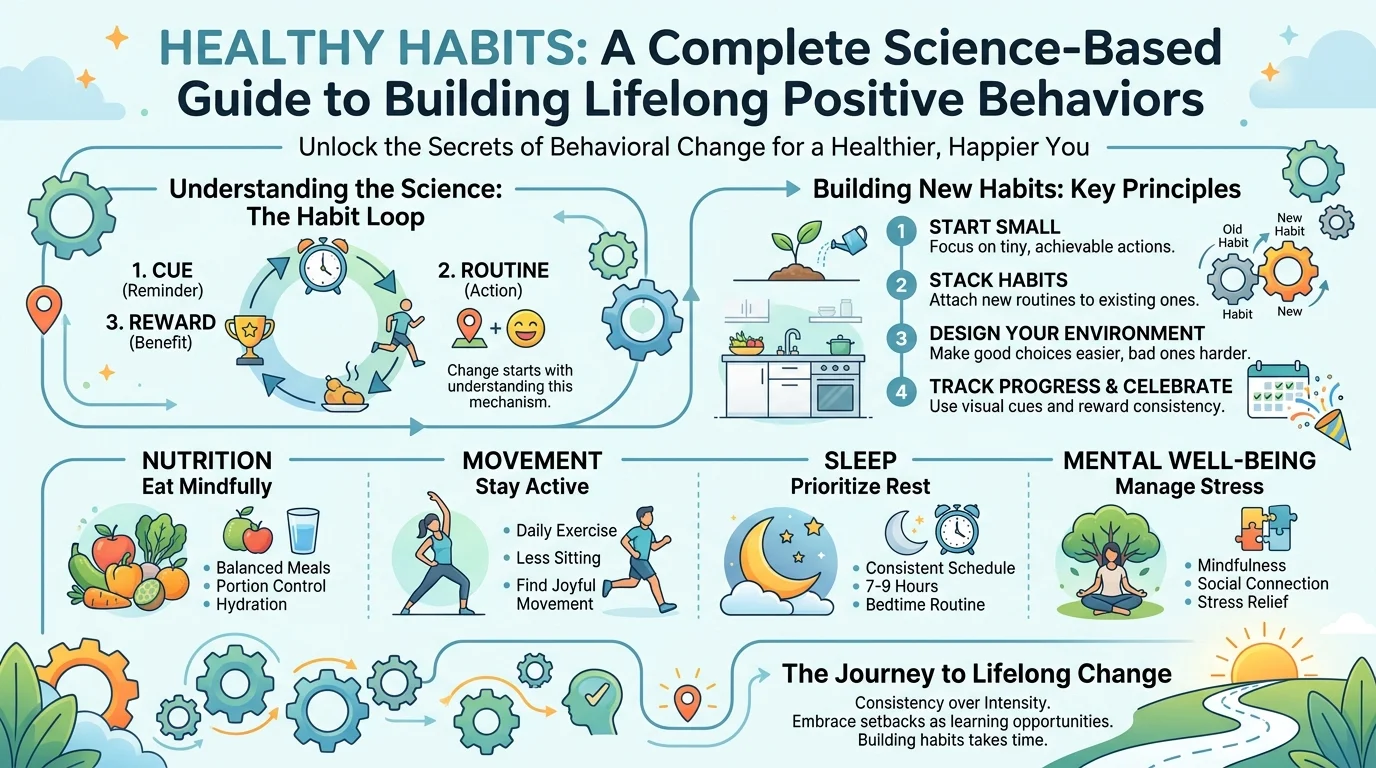
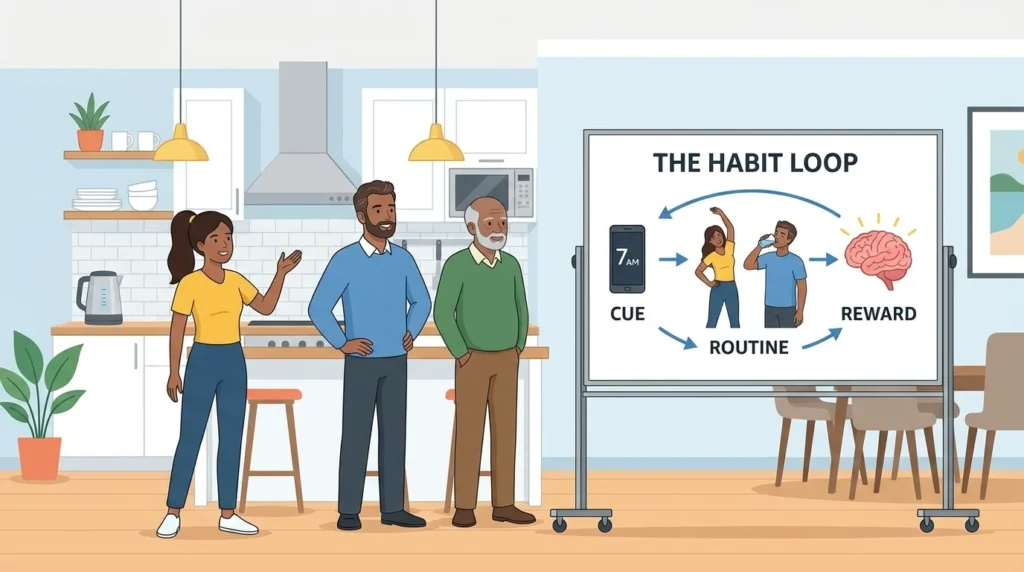
    Healthy habits are learned behavioral patterns that become automatic through repetition in consistent contexts. They operate through a neurological loop called the habit cycle: cue, routine, reward. A cue triggers the brain to initiate a behavior, the routine is the behavior itself, and the reward provides positive reinforcement that strengthens the neural pathway for future repetition. Over time, the brain encodes this loop so efficiently that the behavior occurs with minimal conscious effort or decision-making. Healthy habits include practices like brushing teeth without thinking, automatically reaching for water instead of soda, or putting on walking shoes after dinner without internal negotiation.

    The Science of Habit Formation

    The Habit Loop

    ComponentDescriptionExample
    Cue (Trigger)Signal that initiates the habitTime of day, location, emotional state, preceding action
    Routine (Behavior)The action you takeGoing for a walk, drinking water, meditating
    Reward (Reinforcement)Positive outcome that reinforces the loopFeeling energized, reduced stress, sense of accomplishment

    How Long Does Habit Formation Take?

    StudyAverage Time to AutomateRange
    University College London (2009)66 days18 to 254 days
    Habit formation research synthesis2-8 monthsVaries by complexity
    Simple habits (drinking water)18-30 days
    Exercise habits6-12 weeks
    Dietary habit changes4-8 months

    Key insight: Missing one day does not significantly delay habit formation, but missing multiple consecutive days requires restarting the process. Consistency frequency matters more than perfection.

    Core Healthy Habits Across Wellness Dimensions

    Physical Health Habits

    HabitWhy It MattersHow to Build
    7-9 hours sleep nightlyImmune function, memory consolidation, metabolic healthSet consistent bedtime; no screens 60 minutes before
    8-10 glasses water dailyHydration for all bodily systemsKeep water bottle visible; drink before each meal
    Daily walking (7,000-10,000 steps)Cardiovascular health, weight management, moodPark farther away; take stairs; walk during phone calls
    Strength training 2-3 times weeklyMuscle mass, bone density, metabolic rateSchedule sessions; pair with existing habits
    Whole food, plant-rich mealsNutrient density, disease preventionShop perimeter of grocery store; cook at home
    Hand washing (20 seconds)Infection preventionAfter bathroom, before eating, after touching public surfaces
    Dental hygiene (brush, floss)Oral and cardiovascular healthKeep floss visible; pair with brushing

    Mental and Emotional Health Habits

    HabitWhy It MattersHow to Build
    Morning sunlight exposure (10-30 minutes)Circadian rhythm regulation, vitamin D, moodCoffee or breakfast near window; short outdoor walk
    Breathwork or meditation (5-10 minutes)Stress reduction, focus improvementAfter waking or before bed; use app for guidance
    Gratitude journalingIncreased positive emotion, better sleepWrite 3 things daily; keep journal on nightstand
    Digital sunset (no screens 60 min before bed)Sleep quality, reduced anxietyCharge phone outside bedroom; use real alarm clock
    Social connection (daily meaningful contact)Reduced depression risk, longer lifespanSchedule calls; join groups; eat meals with others
    Learning something newCognitive reserve, neuroplasticity10 minutes daily on new skill or topic

    Environmental and Preventive Habits

    HabitWhy It MattersHow to Build
    Wearing sunscreen (SPF 30+)Skin cancer prevention, anti-agingKeep by toothbrush; apply every morning
    Regular medical and dental checkupsEarly detection of conditionsSchedule annual appointments on birthday
    Stretching or mobility workInjury prevention, flexibilityDuring TV commercials; before and after exercise
    Decluttering 5-10 minutes dailyReduced anxiety, improved focusTimer method; one drawer or surface at a time
    Reviewing finances weeklyReduced money stress, better savingSame day and time each week

    The Habit Formation Process Step by Step

    Step 1: Identify Your Starting Point

    Before adding new habits, understand your current automatic patterns. Track for one week without judgment:

    Behavior to TrackMethodWhat to Note
    Sleep and wake timesBedside log or wearableConsistency, duration, quality
    Meals and snacksFood journal (not calorie counting)What, when, where, with whom
    MovementStep counter or activity logType, duration, frequency
    Screen timePhone screen time reportTotal hours, specific apps, times of day
    Stress and mood1-10 scale with brief noteTriggers, patterns, coping methods

    Step 2: Choose One Keystone Habit

    A keystone habit is a behavior that naturally triggers other positive changes. Starting with a keystone habit creates a cascade of improvements.

    Keystone HabitTriggered Positive Changes
    Consistent sleep scheduleBetter food choices, more energy, improved mood
    Daily walkingIncreased motivation for other exercise, time outdoors
    Meal prepping on SundaysHealthier weekday eating, reduced takeout spending
    Morning meditationReduced reactivity, clearer priorities all day
    Making the bedSense of accomplishment, tidier room, organized mindset

    Step 3: Use Habit Stacking

    Habit stacking means attaching a new habit to an existing automatic behavior. Formula: After [existing habit], I will [new habit].

    Existing HabitNew Stacked Habit
    After waking upI will drink one glass of water
    After brushing teethI will floss
    After pouring morning coffeeI will write one gratitude item
    After using the bathroomI will do 10 squats
    After finishing workI will change into exercise clothes
    After sitting down for dinnerI will place vegetables on plate first
    After plugging in phone at nightI will set out tomorrow’s clothes

    Step 4: Design Your Environment

    Environment design makes desired habits easier and undesired habits harder. This is more effective than willpower.

    GoalEnvironment Change
    Eat more fruitPlace fruit bowl in visible center of kitchen counter
    Drink less sodaKeep soda in opaque container in back of fridge or eliminate purchase
    Exercise in morningLay out workout clothes and shoes beside bed
    Read instead of scrollingPlace book on pillow; move phone charger away from bed
    Take vitaminsKeep bottle next to toothbrush or coffee maker
    Snack on vegetablesPre-cut vegetables at eye level in refrigerator
    Reduce alcoholMove bottles out of main living area; keep non-alcoholic drinks visible

    Step 5: Start Tiny

    The two-minute rule: scale any new habit down to a version that takes less than two minutes to complete. Once started, continuing is easier.

    Desired HabitTwo-Minute Version
    Exercise for 30 minutesPut on workout clothes and step outside door
    Meditate for 20 minutesSit on cushion and take three conscious breaths
    Write journal entriesWrite one sentence
    Read 30 pagesRead one paragraph
    Prepare healthy mealsChop one vegetable
    Clean the houseWash three dishes or fold three items

    Step 6: Track and Reward

    Tracking provides immediate evidence of progress, which serves as its own reward.

    Tracking MethodBest ForExample
    Paper calendar with X marksSimple yes/no habitsMark each day you walked
    Habit tracking appMultiple habitsStreak tracking, reminders, data visualization
    Journal entryReflective trackingNoted energy, mood, and difficulty level
    Accountability partnerSocial reinforcementDaily text photo of completed habit

    Reward yourself for consistency, not just outcomes. After one week of successful habit completion, enjoy a non-food reward like a bath, extra reading time, or movie night.
    Breaking Unhealthy Habits

    The same habit loop that builds healthy patterns can dismantle unhealthy ones. Identify the cue and reward, then change the routine.

    Unhealthy HabitTypical CueTypical RewardAlternative Routine
    Afternoon snacking3 PM energy dipTemporary energy boostTake stairs or walk 5 minutes; drink cold water
    Checking phoneBoredom, notificationNovelty, social connectionShort breathing exercise; doodle or write
    Late-night eatingBoredom, stressComfort, distractionHerbal tea; 5-minute stretching
    Nail bitingAnxiety, focusSensory stimulationStress ball; fidget toy
    Hitting snooze repeatedlyAlarm soundComfort of warm bedPlace alarm across room; prepare morning reward

    Common Habit-Building Mistakes

    MistakeWhy It FailsBetter Approach
    Changing too much at onceWillpower is finite; multiple changes deplete resourcesOne habit at a time until automatic
    Setting vague goalsNo clear cue or execution planSpecific: what, when, where, how long
    Relying on motivationMotivation fluctuates; habits rely on systemsDesign environment; use habit stacking
    Expecting linear progressMissed days cause discouragementPlan for imperfection; never miss twice
    No reward or trackingBrain receives no reinforcement signalVisible tracking; immediate small rewards
    Punishing failureShame undermines motivationSelf-compassion; analyze what went wrong

    Habits by Time of Day: A Sample Framework

    TimeHabit ClusterSample Habits
    Morning (first 30 minutes)Anchor habitsDrink water, sunlight exposure, make bed, stretch, gratitude statement
    Mid-morningEnergy maintenanceStand and move 2 minutes per hour, refill water, piece of fruit
    LunchRechargeWalk 10 minutes after eating, breathwork 2 minutes, connect with person
    AfternoonFocus protection2-minute stretch every hour, afternoon sunlight break, postpone phone until breaks
    Evening (last 60 minutes)Wind-downNo screens, light cleaning or preparation for tomorrow, herbal tea, reading physical book
    BedtimeSleep preparationConsistent time, cool dark room, same wind-down sequence nightly

    Measuring Habit Success

    MetricDefinitionHealthy Target
    Consistency ratePercentage of days habit performed80% or higher (missing 1-2 days per week acceptable)
    Automaticity scoreHow automatic the habit feels (1-10)7 or above after 2-3 months
    Cue response timeSeconds between cue and actionUnder 5 seconds (no hesitation)
    Identity integration“I am someone who [does this habit]”Strong agreement after 3-6 months

    Frequently Asked Questions (FAQs)

    Q1: How many habits should I build at once?
    A1: No more than one to three. Start with one keystone habit. Add a second after 3-4 weeks when the first feels relatively automatic. Adding multiple habits simultaneously overwhelms willpower and reduces success rates significantly.

    Q2: What if I miss a day?
    A2: Missing one day does not break habit formation. Resume the next day without self-criticism. The danger is missing two days consecutively, which often leads to complete abandonment. Never miss twice in a row.

    Q3: Why do some habits feel easy to build while others feel impossible?
    A3: Habit difficulty varies by several factors: enjoyment of the behavior, how visible the cue is, how immediate the reward is, and how compatible the habit is with existing routines. Exercise and dietary changes are typically harder than hydration or hygiene habits because rewards are delayed.

    Q4: Can I break a bad habit without replacing it?
    A4: Possibly, but difficult. The habit loop’s reward still needs to be satisfied. Identifying what reward the bad habit provides and finding a healthier behavior that delivers the same reward is more effective than simply trying to stop.

    Q5: How do I maintain habits during travel, holidays, or illness?
    A5: Scale down. The two-minute version of a habit is better than nothing. Walk for 5 minutes instead of 30. Write one sentence instead of a full journal. The goal during disruptions is maintenance, not progress. Resume full habit immediately after disruption ends.

    Q6: Is it better to build habits at the same time every day?
    A6: Yes. Consistency of cue (same time, same place, same preceding action) strengthens habit formation significantly. However, some habits like drinking water or taking movement breaks may need multiple flexible cues throughout the day.

    Q7: How do I help my child build healthy habits?
    A7: Children respond to the same habit loop but need more immediate rewards, parental modeling of the behavior, and consistent routines. Do not rely on explanation or willpower. Use visual charts, small tangible rewards, and family participation.

    Q8: What role does self-compassion play in habit formation?
    A8: A large role. People who respond to setbacks with self-compassion resume habits more quickly than those who respond with self-criticism. Guilt and shame are demotivating. Treat yourself as you would treat a friend who missed a day.

    Q9: Are some people naturally better at habit formation?
    A9: Genetic factors and personality traits influence baseline automaticity and consistency. However, habit formation is a skill that improves with practice. People who believe they lack willpower can still build effective habits through environment design and habit stacking.

    Q10: How do I know when a habit is fully automatic?
    A10: A habit is automatic when you perform it without thinking, when you feel discomfort or a sense of something missing if you skip it, and when you can perform it even when tired, stressed, or busy. Most habits reach this level after 2-8 months of consistent practice.

    Conclusion

    Healthy habits are not about perfection, willpower, or dramatic transformations. They are about small, consistent actions repeated in reliable contexts until they become automatic. The science is clear: environment design outperforms self-discipline. Habit stacking outperforms memory. Tiny habits outperform ambitious resolutions. Start with one behavior. Anchor it to an existing routine. Make the cue visible. Make the action easy. Celebrate the completion. Do it again tomorrow. Over months, these small repetitions compound into profound changes in health, energy, mood, and longevity. You do not need to change everything. You do not need to change quickly. You only need to start and to continue. Your future self will thank you for the habits you build today.

  • Wellness Journey: A Complete Guide to Transforming Your Health Through Sustainable Lifestyle Changes

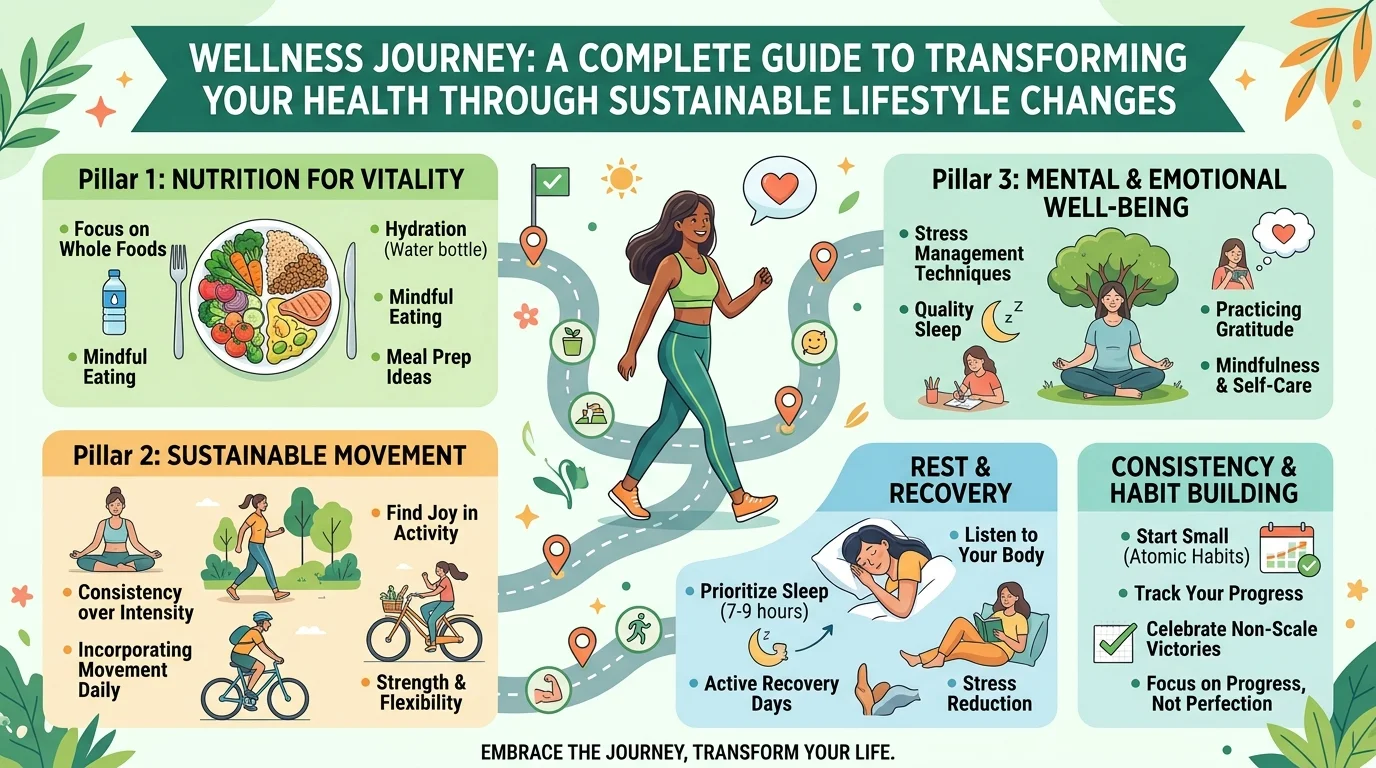
    Wellness Journey: A Complete Guide to Transforming Your Health Through Sustainable Lifestyle Changes

    Introduction

    A wellness journey is a personal, ongoing process of adopting habits and practices that improve physical health, mental clarity, emotional balance, and overall quality of life. Unlike quick-fix diets or temporary fitness challenges, a wellness journey recognizes that genuine health transformation takes time, consistency, and self-compassion. It is not about perfection but about progress. It is not about reaching a final destination but about enjoying the path of becoming a healthier, happier, more resilient version of yourself. This comprehensive guide provides a roadmap for starting and sustaining your wellness journey, including evidence-based strategies, practical tools, common obstacles, and ways to measure progress without becoming obsessed with numbers.

    What Is a Wellness Journey?

    A wellness journey is the intentional process of making lifestyle changes that support long-term health across multiple dimensions of well-being. Unlike a weight loss program with a fixed end date, a wellness journey is open-ended and evolves as your needs, circumstances, and goals change. It integrates physical health, mental wellness, emotional regulation, social connection, spiritual fulfillment, and environmental harmony. The journey metaphor is important because it acknowledges that setbacks, detours, and slow periods are normal and expected. What matters is continuing to move forward, not how fast you travel.

    The Eight Dimensions of Wellness

    Wellness professionals recognize that true health extends beyond diet and exercise. The Substance Abuse and Mental Health Services Administration identifies eight interconnected dimensions:

    DimensionDefinitionSigns of BalanceSigns of Imbalance
    PhysicalCaring for your body through movement, nutrition, sleep, and medical careRegular energy, good sleep, no chronic painFatigue, illness, aches, neglect of checkups
    EmotionalUnderstanding and managing feelings, coping with stressResilience, emotional awareness, healthy expressionOverwhelm, mood swings, suppression of feelings
    IntellectualEngaging in creative and stimulating mental activitiesCuriosity, learning, problem-solvingBoredom, mental fog, lack of growth
    SocialDeveloping meaningful relationships and communitySupportive connections, sense of belongingLoneliness, conflict, isolation
    SpiritualHaving purpose, values, and meaning in lifeInner peace, alignment with valuesEmptiness, confusion about purpose
    OccupationalFinding satisfaction and meaning in workEngagement, work-life balance, reasonable stressBurnout, dread of work, overwork
    EnvironmentalLiving in safe, healthy, and pleasant surroundingsClean home, nature access, low toxinsClutter, pollution, unsafe conditions
    FinancialManaging resources effectively for security and peace of mindBudgeting, savings, low debt-related stressConstant money worry, inability to meet needs

    Your wellness journey involves assessing your current state across these dimensions, identifying priorities, and taking small consistent actions to move toward greater balance.

    Why a Wellness Journey Matters

    Current Health RealityWellness Journey Solution
    Chronic diseases cause 71% of deaths globallyPrevention through lifestyle reduces risk by 80% for many conditions
    1 in 5 adults experiences mental illness annuallyStress management, sleep, and social connection improve resilience
    70% of doctor visits are stress-relatedMind-body practices reduce stress-driven symptoms
    Average American sits 9.5 hours dailyIntentional movement breaks improve metabolic and musculoskeletal health
    Processed foods dominate modern dietsWhole food nutrition reduces inflammation and supports all body systems

    Stages of a Wellness Journey

    Stage 1: Awareness and Assessment

    Before changing anything, understand your current reality. This stage involves:

    • Tracking without judgment for 1-2 weeks
    • Noting sleep quality, energy levels, mood patterns, food intake, movement, stress triggers
    • Completing a wellness inventory across all eight dimensions
    • Identifying what is working well and what feels difficult

    Stage 2: Goal Setting

    Effective wellness goals follow the SMART framework:

    LetterMeaningExample
    SSpecific“Walk 30 minutes after dinner” not “exercise more”
    MMeasurableTrack with pedometer or calendar
    AAchievableStart with 10 minutes if 30 feels impossible
    RRelevantChoose goals aligned with your values and priorities
    TTime-bound“For the next 4 weeks” not “someday”

    Set no more than three goals at a time. Multiple changes attempted simultaneously often lead to burnout and abandonment.

    Stage 3: Action and Implementation

    This is where habits are built. Key strategies include:

    StrategyHow It WorksExample
    Habit stackingAttach new habit to existing oneAfter brushing teeth, do 2 minutes of stretching
    Environment designMake good choices easy, bad choices hardPlace fruit on counter, hide cookies in cupboard
    Start tinyBegin with ridiculously small actionsOne squat per day, one vegetable per meal
    Schedule itPut wellness activities on calendarBlock 7 AM for movement, 10 PM for wind-down
    AccountabilityShare goals or use tracking toolsWellness partner, app, journal

    Stage 4: Maintenance and Adaptation

    After 4-8 weeks, habits begin to feel automatic. The maintenance stage involves:

    • Reviewing progress and adjusting as needed
    • Adding new goals while maintaining existing habits
    • Planning for disruptions (travel, illness, holidays)
    • Building flexibility so one missed day does not become complete abandonment

    Stage 5: Integration

    In this advanced stage, wellness practices become woven into identity. You no longer “try to eat well” or “try to exercise.” You simply see yourself as someone who values health. This stage is characterized by:

    • Automatic healthy choices without willpower
    • Quick recovery from setbacks
    • Enjoyment of wellness practices rather than seeing them as chores
    • Ability to help others on their journeys

    Common Obstacles on the Wellness Journey

    ObstacleWhy It HappensSolution
    All-or-nothing thinkingPerfectionism and fear of failureAdopt “something is better than nothing” mindset
    Loss of motivationInitial excitement fades after 2-3 weeksRely on systems and discipline, not motivation
    Lack of timeOverfilled schedulesAudit time use; find 15-30 minutes by reducing low-value activities
    Social pressureFriends and family may not share your goalsCommunicate boundaries; find like-minded community
    PlateausProgress naturally slowsCelebrate maintenance as success; add challenge or variety
    SetbacksLife disruptions, illness, travelPlan for imperfection; resume as soon as possible without guilt
    Information overloadConflicting advice onlineChoose trusted sources; focus on fundamentals

    Evidence-Based Practices for Your Wellness Journey

    Physical Wellness Practices

    PracticeFrequencyBenefit
    Moderate aerobic activity150 minutes/weekCardiovascular health, mood, weight management
    Strength training2-3 sessions/weekMuscle mass, bone density, metabolism
    Balance and flexibilityDaily stretching, 2-3 times weekly dedicated practiceFall prevention, mobility, injury reduction
    Whole food, plant-rich dietEvery mealNutrient density, inflammation reduction
    7-9 hours sleepNightlyImmune function, memory, emotional regulation
    Hydration2-3 liters water dailyEnergy, digestion, cognitive function

    Mental and Emotional Wellness Practices

    PracticeTime RequiredPrimary Benefit
    Mindfulness meditation5-20 minutes dailyReduced anxiety, improved focus
    Breathwork (diaphragmatic breathing)5 minutes as neededStress reduction, nervous system regulation
    Journaling10 minutes dailyEmotional processing, self-awareness
    Gratitude practice2 minutes dailyIncreased positive emotion, life satisfaction
    Digital detox1 hour before bedBetter sleep, reduced comparison anxiety
    Therapy or counselingWeekly or as neededProfessional support for deeper issues

    Social and Spiritual Practices

    • Regular connection with friends and family (in person when possible)
    • Participation in community groups, clubs, or religious congregations
    • Acts of service or volunteering
    • Time in nature (at least 120 minutes weekly)
    • Practices aligned with personal values (creativity, learning, contribution)

    Creating Your Personal Wellness Roadmap

    TimeframeActions
    Week 1Track current habits with no changes. Complete wellness assessment.
    Week 2Choose one goal. Set SMART target. Share with accountability partner.
    Weeks 3-4Implement daily practice. Use habit stacking and environment design.
    Week 5Review progress. Adjust approach if needed. Celebrate wins.
    Weeks 6-8Add second goal while maintaining first. Build morning and evening routines.
    Month 3Evaluate all eight dimensions. Add goals in new areas.
    Month 6Significant habits should feel automatic. Focus on enjoyment and variety.
    Year 1Integration stage. Help others. Reassess and set new challenges.

    Measuring Progress Without Obsession

    Healthy tracking focuses on behavior and feeling, not just outcomes:

    What to TrackHow to TrackWhy It Matters
    Consistency (did you do the behavior?)Simple checkmark on calendarBehavior drives results; focus on what you control
    Energy levels1-10 scale dailySubjective well-being often improves before objective measures
    Mood and stressBrief journal noteMental health is a primary wellness outcome
    Sleep qualitySubjective rating or wearableSleep affects everything else
    Strength or enduranceRepetitions, time, distanceTangible proof of physical progress
    Medical biomarkersBlood work every 6-12 monthsObjective health data

    Avoid daily weighing, obsessive calorie counting, or comparing your journey to others. The wellness journey is yours alone.

    When to Seek Professional Support

    ProfessionalRole on Your Wellness Journey
    Primary care physicianMedical oversight, baseline health assessment
    Registered dietitianPersonalized nutrition guidance
    Physical therapistMovement assessment and injury prevention
    Mental health counselorEmotional and psychological support
    Health coachAccountability and behavior change strategies
    Personal trainerSafe and effective exercise programming
    Sleep specialistFor persistent sleep disorders
    Naturopathic or integrative doctorHolistic approach combining natural and conventional medicine

    Do not wait for crisis to seek help. Preventive and early supportive care makes the journey smoother and more effective.

    Frequently Asked Questions (FAQs)

    Q1: How long does a wellness journey take?
    A1: There is no fixed endpoint. Initial habit changes can take 2-3 months to feel automatic. Significant health improvements (weight, blood pressure, fitness) typically take 3-6 months. The journey continues across a lifetime, with different phases and priorities at different ages.

    Q2: What if I miss a day or have a setback?
    A2: Setbacks are normal and expected on any journey. The key is to resume your practices as soon as possible without self-criticism. One missed day does not undo weeks of progress. Guilt and shame are far more damaging than the missed day itself.

    Q3: Can I work on multiple wellness dimensions at once?
    A3: Yes, but limit active new goals to no more than three at a time. For example, improve sleep, add daily walking, and practice gratitude simultaneously works well because these practices support each other. Trying to change diet, exercise, sleep, meditation, and social habits all at once usually leads to burnout.

    Q4: How do I stay motivated after the initial excitement fades?
    A4: Motivation is unreliable. Build systems and habits so you act regardless of motivation. Use scheduling, environment design, and accountability. Also, remind yourself of your deeper why—not just “lose weight” but “have energy to play with children” or “reduce disease risk.”

    Q5: What is the single most important practice on a wellness journey?
    A5: Sleep. No other behavior affects every dimension of wellness as profoundly as adequate, quality sleep. Prioritize 7-9 hours nightly. All other wellness efforts (diet, exercise, stress management) work better when you are well-rested.

    Q6: How do I handle friends and family who do not support my wellness journey?
    A6: Communicate your goals clearly and kindly. Set boundaries without needing others to change. Find support elsewhere (wellness groups, online communities). Lead by example rather than preaching. Over time, some loved ones may become curious and join you.

    Q7: Do I need expensive equipment, gym memberships, or supplements for a wellness journey?
    A7: No. Walking requires only shoes. Bodyweight exercises require no equipment. Whole foods like beans, rice, and vegetables are among the cheapest foods available. Sleep, hydration, breathwork, and journaling cost nothing. Expensive products are marketing, not medicine.

    Q8: How do I know if my wellness journey is working?
    A8: You should feel better—more energy, better sleep, improved mood, less pain or illness—within weeks to months. Medical markers (blood pressure, cholesterol, blood sugar, weight) improve over months. If you are following evidence-based practices for 6 months with no improvement, consult a healthcare provider to rule out underlying conditions.

    Q9: Can I start a wellness journey if I have a chronic illness or disability?
    A9: Absolutely. A wellness journey is for everyone, but the specific practices will be adapted to your capabilities and medical needs. Work with your healthcare team to design safe, appropriate activities. Many people with chronic conditions achieve significant improvements in quality of life through tailored wellness practices.

    Q10: Is a wellness journey selfish?
    A10: No. Taking care of your health allows you to show up better for work, family, and community. A burned-out, unhealthy person cannot serve others effectively. Self-care is not selfish; it is foundational to sustainable contribution.

    Conclusion

    Your wellness journey is exactly that—yours. It does not need to look like anyone else’s. It does not require perfection. It does not end. What it does require is honesty about where you are, curiosity about what works for you, consistency in small actions, and compassion for yourself when you stumble. The research is clear: regular physical activity, whole food nutrition, adequate sleep, stress management, social connection, and purposeful living produce longer, healthier, and more satisfying lives. These practices are available to everyone, regardless of income, location, or starting point. Choose one thing today. Do it tomorrow. Add another when ready. The journey of a thousand miles begins with a single step. Take yours now.

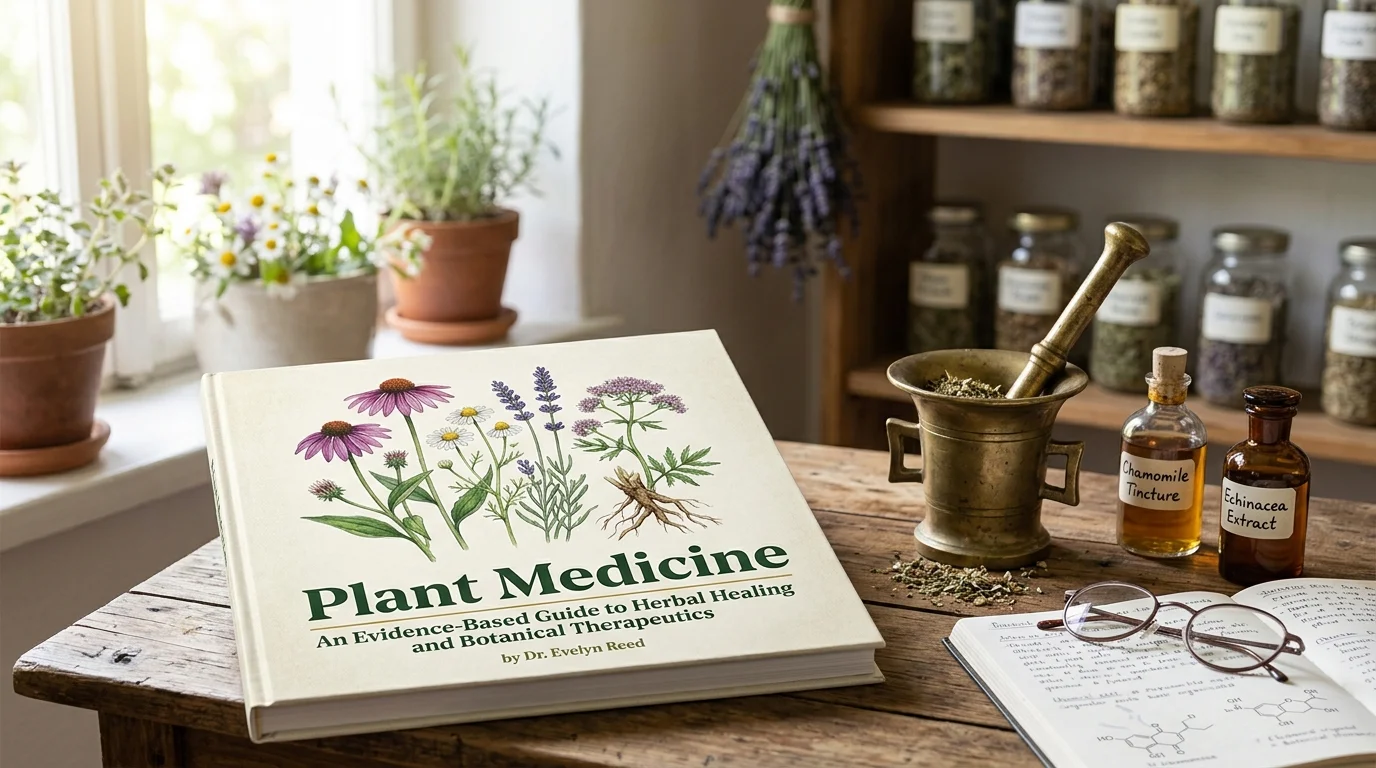
  • Plant Medicine: An Evidence-Based Guide to Herbal Healing and Botanical Therapeutics

    Plant Medicine: An Evidence-Based Guide to Herbal Healing and Botanical Therapeutics

    Introduction

    Plant medicine, also known as herbal medicine or phytomedicine, refers to the use of plants or plant-derived compounds for therapeutic purposes to prevent, treat, or manage disease and support overall health and wellness . This ancient healing practice, rooted in traditional knowledge systems worldwide, is experiencing a powerful resurgence as modern science validates what indigenous cultures have understood for millennia: plants contain complex bioactive compounds with remarkable healing properties. Today, approximately 80% of the population in developing countries relies on traditional plant-based remedies for primary healthcare, and the global market for botanical medicines continues to expand rapidly . This comprehensive guide explores the science, safety, applications, and evidence behind plant medicine, providing readers with the knowledge needed to use botanical remedies effectively and responsibly.

    What Is Plant Medicine?

    Plant medicine encompasses the therapeutic use of whole plants, plant parts (leaves, roots, flowers, seeds, bark), fungi, and plant extracts to restore health, alleviate symptoms, and prevent disease . Unlike conventional pharmaceuticals that typically isolate single active compounds, plant medicines utilize the synergistic action of multiple phytochemicals—flavonoids, alkaloids, terpenes, phenolic acids, and saponins—that work together to produce therapeutic effects while often reducing the risk of adverse reactions .

    Categories of Plant Medicine

    CategoryDescriptionExamples
    Traditional Plant MedicineUses whole plants based on centuries of empirical observationTraditional Chinese Medicine, Ayurveda, Indigenous healing practices
    Modern PhytomedicineStandardized plant extracts produced using contemporary scientific methodsGinkgo biloba extract, St. John’s Wort extract
    Herbal SupplementsPlant-based products sold as dietary supplementsCapsules, tablets, powders, tinctures
    Botanical DrugsPlant-derived compounds approved as pharmaceutical drugsDigoxin (from foxglove), morphine (from opium poppy)

    Plant medicines can be categorized into four distinct levels of complexity: whole plant extracts, effective fractions (enriched groups of compounds), active ingredient combinations, and isolated pure compounds . Each level has its place in therapeutic practice, with many herbalists arguing that whole plant preparations offer superior safety and efficacy due to the natural synergy between constituents .

    The Science Behind Plant Medicine

    Bioactive Compounds and Their Mechanisms

    Modern phytochemical research has identified thousands of bioactive compounds in medicinal plants, each with specific mechanisms of action:

    Phytochemical ClassExamplesTherapeutic Actions
    FlavonoidsQuercetin, rutin, catechinsAntioxidant, anti-inflammatory, cardioprotective
    AlkaloidsBerberine, caffeine, morphineAntimicrobial, metabolic regulation, pain relief
    Phenolic AcidsCaffeic acid, ferulic acidAntioxidant, neuroprotective
    TerpenesLimonene, menthol, artemisininAnti-inflammatory, antimicrobial, antimalarial
    SaponinsGinsenosides, ashwagandha glycosidesImmunomodulatory, adaptogenic

    The therapeutic effects of medicinal plants operate through multiple physiological pathways. Research demonstrates that plant-derived compounds modulate oxidative stress, inflammatory signaling, metabolic enzymes, and gene expression . For example, flavonoids exert antioxidant effects by neutralizing free radicals and upregulating endogenous antioxidant defenses, while certain alkaloids interact with neurotransmitter systems to produce antidepressant and anxiolytic effects .

    Scientific Evidence for Specific Plant Medicines

    Extensive research has validated the therapeutic potential of numerous medicinal plants:

    PlantKey Bioactive CompoundsEvidence-Based UsesQuality of Evidence
    Ashwagandha (Withania somnifera)Withanolides, alkaloidsStress reduction, anxiety, cognitive functionStrong for stress and anxiety 
    Fenugreek (Trigonella foenum-graecum)Alkaloids, flavonoids, saponinsDiabetes management, metabolic healthModerate to strong for glycemic control 
    Noni (Morinda citrifolia)Flavonoids, iridoids, alkaloidsAntioxidant, antimicrobial, anti-inflammatoryModerate 
    Garlic (Allium sativum)Allicin, sulfur compoundsCardiovascular health, antimicrobialStrong for blood pressure and cholesterol 
    Ginger (Zingiber officinale)Gingerols, shogaolsNausea, inflammation, painStrong for nausea 
    St. John’s Wort (Hypericum perforatum)Hypericin, hyperforinMild to moderate depressionStrong, but with significant drug interactions 

    Historical and Cultural Foundations

    Plant medicine represents the oldest form of healthcare known to humanity, with archaeological evidence of medicinal plant use dating back over 60,000 years. Every traditional medical system—from Traditional Chinese Medicine (TCM) and Ayurveda to Indigenous healing practices across Africa, the Americas, and Australia—has developed sophisticated pharmacopoeias based on empirical observation passed down through generations .

    Traditional Knowledge Systems

    Traditional healers have long understood the therapeutic properties of plants through systematic observation and experimentation. For example, species of the genus Hymenaea have been used throughout Latin America to treat respiratory infections, joint pain, inflammation, and gastrointestinal disorders, with preparations including balms and extracts made from leaves, seeds, bark, and resin . Similarly, the genus Cnidoscolus has been traditionally employed to treat conditions ranging from diabetes and cancer to menstrual disorders and inflammation across Mexico, Brazil, and Africa .

    The World Health Organization recognizes that traditional plant medicine remains the primary source of healthcare for 75-90% of rural populations in developing countries, highlighting its continued global importance .

    Methods of Preparation and Administration

    Plant medicines can be prepared and administered in various ways, each suited to different plant parts and therapeutic goals :

    Preparation MethodDescriptionBest ForExamples
    Infusion (Tea)Steeping plant material in hot waterLeaves, flowersChamomile, peppermint
    DecoctionSimmering plant material in boiling waterRoots, bark, seedsGinger, astragalus
    TinctureExtracting in alcohol or glycerinMost plant partsEchinacea, valerian
    Capsules/TabletsDried, powdered plant materialStandardized dosingTurmeric, ashwagandha
    Topical preparationsOils, salves, creams, poulticesSkin conditions, local painCalendula, arnica
    PowderDried, ground plant materialVersatile, can be mixed with foodMoringa, maca

    Traditional preparation methods are documented in ethnobotanical research, showing specific dosage forms and routes of administration for various conditions . For example, in traditional Ethiopian medicine, ginger root is boiled with tea or mixed with milk for respiratory conditions, while garlic is consumed raw or with food for metabolic disorders .

    Safety Considerations and Risks

    The “Natural Does Not Mean Safe” Principle

    One of the most critical concepts in plant medicine is that natural origin does not guarantee safety. Plants contain potent bioactive compounds that can cause toxicity, interact with medications, or produce adverse effects when used improperly .

    Documented Risks and Interactions

    PlantPotential RisksSpecific Concerns
    Kava (Piper methysticum)Severe liver damageFDA warning issued; can cause hepatotoxicity 
    St. John’s WortMultiple drug interactionsReduces efficacy of birth control pills, antidepressants, cyclosporine, warfarin 
    YohimbeCardiovascular effectsCan cause hypertension, tachycardia, anxiety 
    Ephedra (Ma Huang)Cardiovascular and CNS complicationsAssociated with deaths; banned in many countries 
    Dong QuaiBleeding riskMay increase INR, PT, aPTT; photosensitivity 
    Ginkgo bilobaBleeding riskInhibits platelet-activating factor 
    GinsengHypoglycemia, bleedingMay interfere with warfarin; hypoglycemic effects 

    Who Should Exercise Extra Caution

    Certain populations face higher risks when using plant medicines :

    • Pregnant or breastfeeding women
    • Children (especially under age 2)
    • Elderly individuals (over age 65)
    • People taking prescription medications (especially blood thinners, antidepressants, diabetes medications)
    • Individuals with liver or kidney disease
    • Patients scheduled for surgery (many herbs affect bleeding and anesthesia)

    Regulatory Status and Quality Concerns

    Unlike pharmaceutical drugs, herbal remedies are regulated as dietary supplements in most countries. This means :

    • They do not require pre-market safety and efficacy testing
    • Labels do not require approval before products reach consumers
    • Products may contain contaminants, adulterants, or incorrect ingredient amounts
    • Quality varies significantly between manufacturers

    Consumers should look for third-party certifications including “USP Verified,” “ConsumerLab.com Approved,” or “NSF International” seals to ensure product quality and purity .

    Drug-Herb Interactions: A Critical Concern

    Plant medicines can interact with pharmaceutical drugs through two primary mechanisms :

    Interaction TypeDescriptionExamples
    PharmacodynamicBoth substances affect the same physiological systemHerbal sedatives plus benzodiazepines → excessive sedation
    PharmacokineticOne substance affects the absorption, distribution, metabolism, or elimination of the otherSt. John’s Wort induces liver enzymes → reduces drug levels

    Common Clinically Significant Interactions

    HerbInteracts WithEffect
    St. John’s WortOral contraceptives, warfarin, cyclosporine, antiretroviralsReduced drug efficacy
    Garlic (high doses)Warfarin, antiplatelet drugsIncreased bleeding risk
    GinkgoWarfarin, aspirin, NSAIDsIncreased bleeding risk
    GinsengWarfarin, MAOIs, diabetes medicationsAltered drug effects
    KavaSedatives, alcohol, benzodiazepinesExcessive sedation
    Echinacea (long-term)ImmunosuppressantsReduced immunosuppressant efficacy 

    Benefits of Plant Medicine

    Advantages Over Conventional Pharmaceuticals

    BenefitExplanation
    Multi-target effectsComplex phytochemical mixtures address multiple pathways simultaneously
    Lower side effect profileGenerally better tolerated when used appropriately
    AccessibilityOften more affordable and available without prescription
    Historical safety dataCenturies of traditional use provide long-term safety information
    Whole-person approachAddresses root causes rather than isolated symptoms

    Specific Therapeutic Applications

    ConditionEvidence-Supported Plant Medicines
    Mild to moderate depressionSt. John’s Wort (with caution regarding interactions)
    Generalized anxietyAshwagandha, passionflower, chamomile
    InsomniaValerian, chamomile, passionflower
    Type 2 diabetesFenugreek, bitter melon, cinnamon 
    Cardiovascular healthGarlic, hawthorn, hibiscus
    Inflammatory conditionsTurmeric, ginger, boswellia
    Common coldEchinacea, elderberry, zinc-containing plants
    Digestive complaintsPeppermint, ginger, fennel

    Current Research and Future Directions

    Recent Scientific Advances

    Contemporary research continues to validate and expand our understanding of plant medicines. Recent systematic reviews have documented:

    • The antidiabetic, cardioprotective, and antimicrobial activities of plants such as date palm, tomato, fenugreek, and ashwagandha, with key bioactive compounds including flavonoids, phenolic acids, alkaloids, and saponins 
    • Anti-inflammatory evidence for Hymenaea species through COX/LOX inhibition and cytokine modulation 
    • Antioxidant, antimicrobial, wound-healing, gastroprotective, and immunomodulatory activities of Noni (Morinda citrifolia) 

    Research Gaps

    Despite promising evidence, significant gaps remain :

    • Most studies are in vitro or animal-based; human clinical trials are limited
    • Standardization of extracts remains inconsistent across studies
    • Long-term safety data are often lacking
    • Molecular mechanisms require further elucidation

    The WHO and research institutions emphasize that more rigorous clinical studies are necessary to validate traditional uses and support integration into evidence-based healthcare systems .

    Practical Guidelines for Safe Use

    How to Choose Plant Medicine Products

    CriterionWhat to Look For
    Third-party certificationUSP Verified, ConsumerLab.com Approved, NSF International
    Scientific nameLatin binomial (e.g., Withania somnifera, not just “ashwagandha”)
    Part usedSpecified (root, leaf, flower, etc.)
    StandardizationPercentage of key active compounds if applicable
    Expiration dateCurrent and clearly marked
    Manufacturer informationReputable company with contact information

    How to Discuss Plant Medicine with Healthcare Providers

    • Inform your doctor and pharmacist about ALL herbs and supplements you use
    • Ask about potential interactions with your medications
    • Discontinue herbs at least 2 weeks before scheduled surgery 
    • Never stop prescribed medications without medical supervision
    • Report any adverse effects promptly

    Frequently Asked Questions (FAQs)

    Q1: What is the difference between plant medicine and pharmaceutical drugs?
    A1: Plant medicine typically uses whole plants or complex extracts containing multiple bioactive compounds that work synergistically. Pharmaceutical drugs usually contain isolated, synthetic compounds designed to target specific pathways. Plant medicines are generally regulated as dietary supplements, while drugs undergo rigorous FDA approval processes .

    Q2: Is plant medicine safe for everyone?
    A2: No. While many plant medicines are safe when used appropriately, certain populations (pregnant women, children, elderly, people taking multiple medications) face higher risks. Always consult a healthcare provider before starting any herbal regimen .

    Q3: Can I take plant medicines with my prescription medications?
    A3: Only under medical supervision. Many herbs interact with prescription drugs. St. John’s Wort, for example, affects liver enzymes that process numerous medications, potentially reducing their effectiveness. Always disclose all herbs to your doctor and pharmacist .

    Q4: How do I know if a plant medicine product is high quality?
    A4: Look for third-party certification seals (USP Verified, ConsumerLab.com Approved, NSF International) on the label. These indicate the product has been tested for purity, potency, and absence of contaminants. Avoid products making miracle claims or with secret formulas .

    Q5: Are fresh plants better than dried or extracted forms?
    A5: Each form has advantages. Fresh plants contain volatile compounds that may degrade during drying. Dried plants are more concentrated by weight. Extracts (tinctures, standardized extracts) offer consistent dosing. The best form depends on the specific plant and intended use .

    Q6: Can plant medicine cure cancer?
    A6: No scientific evidence supports plant medicine as a cure for cancer. Some plant-derived compounds (like paclitaxel from yew trees) are used in chemotherapy, but unproven herbal cancer treatments can delay effective medical care with dangerous consequences. Plant medicines may offer supportive benefits alongside conventional treatment, but never as a replacement .

    Q7: How long does plant medicine take to work?
    A7: Effects vary widely. Acute conditions like common cold symptoms may respond within hours with appropriate herbs like echinacea. Chronic conditions like anxiety, insomnia, or metabolic issues typically require 2-6 weeks of consistent use before significant benefits appear.

    Q8: Can I grow my own medicinal plants?
    A8: Yes, many medicinal plants including chamomile, peppermint, calendula, and echinacea grow well in home gardens. However, proper plant identification is critical to avoid toxic look-alikes. Consult regional growing guides and consider taking a course in herbal medicine before home harvesting.

    Q9: What should I do if I experience side effects from a plant medicine?
    A9: Stop using the product immediately. Contact your healthcare provider or poison control center, especially if symptoms are severe. Bring the product container with you to medical appointments. Report adverse effects to the FDA’s MedWatch program.

    Q10: Is plant medicine covered by health insurance?
    A10: Generally, no. Plant medicines sold as dietary supplements are typically not covered. However, services from licensed practitioners such as naturopathic doctors or acupuncturists who incorporate plant medicine may have partial coverage depending on your insurance plan.

    Conclusion

    Plant medicine represents a bridge between ancient healing wisdom and modern scientific validation. The growing body of research confirms that plants contain remarkable therapeutic compounds capable of addressing major global health challenges including diabetes, cardiovascular disease, infectious illness, and mental health disorders . However, this potential must be balanced with rigorous safety awareness. “Natural” does not mean automatically safe, and the same potent compounds that heal can cause harm when misused. Quality matters. Dosage matters. Professional guidance matters. The future of healthcare increasingly recognizes the value of integrating evidence-based plant medicine with conventional approaches—using each where most appropriate. When approached with knowledge, respect, and caution, plant medicines offer powerful tools for healing that neither traditional wisdom nor modern science can afford to ignore.

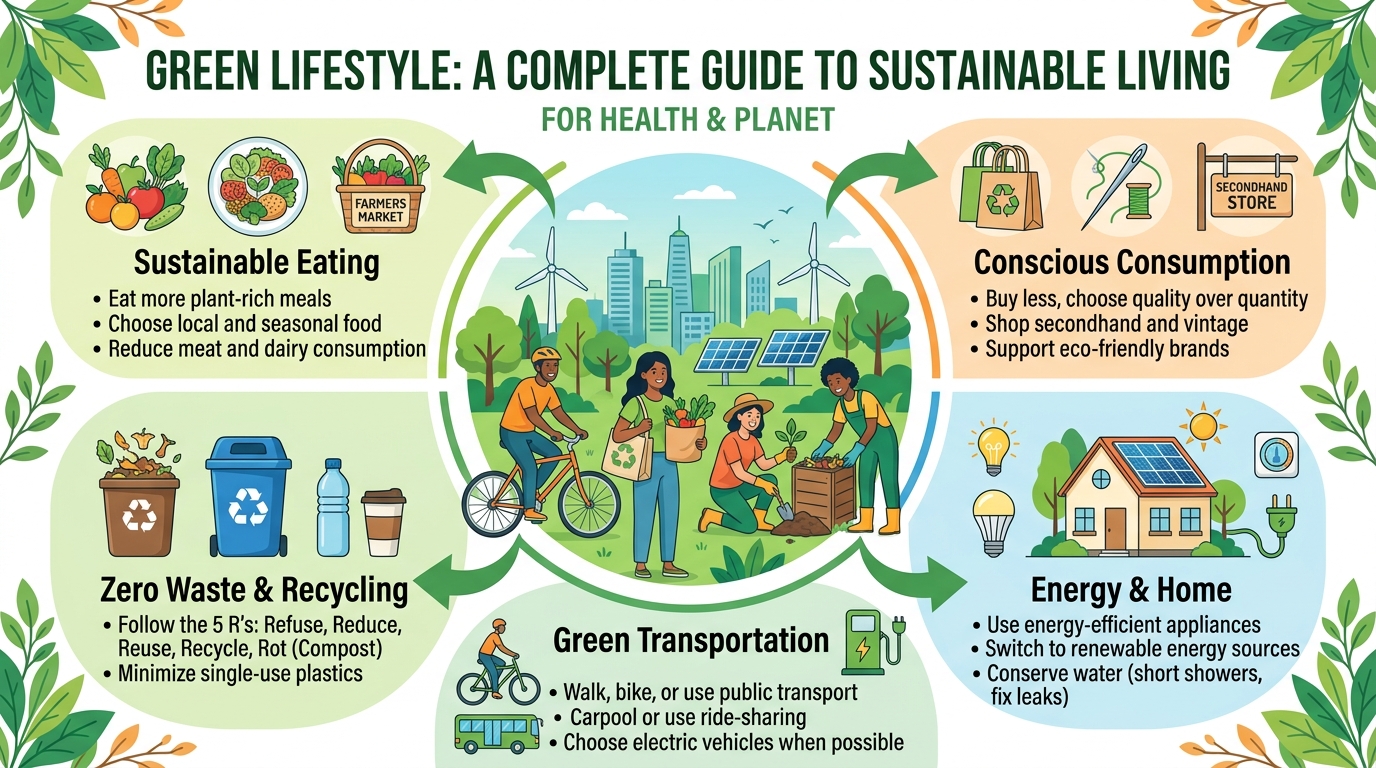
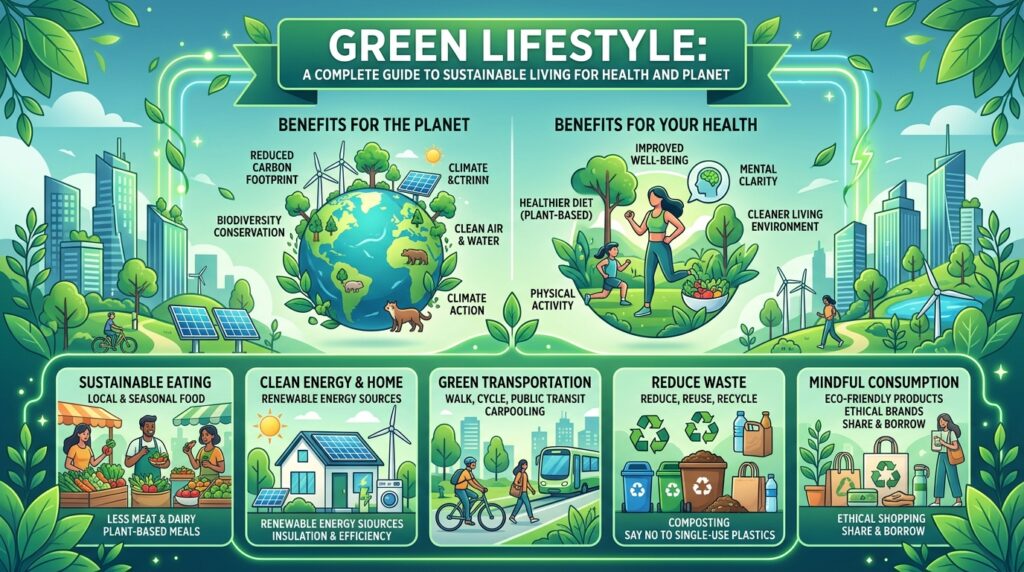
  • Green Lifestyle: A Complete Guide to Sustainable Living for Health and Planet

    Green Lifestyle: A Complete Guide to Sustainable Living for Health and Planet

    Introduction

    A green lifestyle refers to a way of living that minimizes harm to the environment while promoting personal health, social responsibility, and economic sustainability. It encompasses conscious choices about consumption, waste, energy use, transportation, food, clothing, housing, and daily habits. Far from being a restrictive set of rules, a green lifestyle offers numerous benefits including reduced exposure to toxins, lower living costs, improved physical health, greater connection to nature, and the deep satisfaction of contributing to planetary well-being. This comprehensive guide provides actionable strategies, evidence-based benefits, and practical steps for adopting a green lifestyle regardless of your budget or living situation.

    What Is a Green Lifestyle?

    A green lifestyle is built on the principles of reducing resource consumption, minimizing waste, choosing renewable and non-toxic products, supporting ethical supply chains, and aligning daily actions with long-term ecological balance. It rejects the disposable, extractive, and polluting patterns of modern consumer culture in favor of circular, regenerative, and mindful living. Key concepts include the five Rs: Refuse, Reduce, Reuse, Repurpose, Recycle. A green lifestyle is not about perfection but about consistent progress toward lower environmental impact and higher quality of life.

    Core Principles of a Green Lifestyle

    PrincipleDescriptionPractical Application
    Reduce ConsumptionUse fewer resources overallBuy only what you truly need
    Waste EliminationSend nothing to landfill unnecessarilyCompost organics, recycle properly
    Energy EfficiencyUse less energy for same tasksLED bulbs, efficient appliances
    Renewable ResourcesPrefer materials that regrowBamboo, wool, cork over plastics
    Non-Toxic LivingAvoid chemicals harmful to healthNatural cleaning products
    Local and SeasonalReduce transport emissionsFarmers markets, seasonal eating
    Longevity and RepairKeep items usable longerRepair clothes, electronics, furniture
    Ethical Supply ChainsKnow where products come fromFair trade, B Corp certifications

    Environmental Impact of Conventional Living

    Understanding why a green lifestyle matters requires examining the impact of standard Western consumption patterns:

    ActivityAverage Annual Impact per PersonGreen Alternative Impact Reduction
    Diet (meat-heavy)2.5 tons CO2 equivalentPlant-based diet reduces by 50-80%
    Personal vehicle use4.6 tons CO2Public transit/biking reduces by 90%
    Household energy6 tons CO2Renewable energy + efficiency reduces by 70%
    Consumer goods3 tons CO2Buying used + minimalism reduces by 80%
    Air travel (one round trip)1-3 tons CO2 per flightVirtual meetings or train reduces by 90%
    Plastic waste100+ kgZero waste reduces by 90%

    The Seven Pillars of a Green Lifestyle

    Green Food Choices

    Food production accounts for approximately 25% of global greenhouse gas emissions. Green eating focuses on:

    • Plant-forward meals with reduced meat and dairy
    • Locally grown seasonal produce
    • Organic when feasible to reduce pesticide exposure
    • Minimally packaged foods purchased in bulk
    • Home cooking to avoid takeout containers
    • Growing some of your own food
    • Reducing food waste through meal planning and proper storage
    Food ChoiceEnvironmental ImpactHealth Impact
    BeefVery high (carbon, water, land)High saturated fat
    Pork/ChickenModerateModerate
    Legumes (beans, lentils)LowExcellent (fiber, protein)
    VegetablesLowExcellent
    Local seasonal produceVery lowExcellent
    Imported out-of-seasonHigh (transport, storage)Good

    Green Transportation

    Transportation accounts for 15-20% of global emissions. Green transportation priorities:

    • Walking for trips under 1 mile
    • Biking for trips under 5 miles
    • Public transit for longer urban trips
    • Carpooling and ride sharing
    • Electric vehicles charged with renewable energy
    • Trip chaining (combining errands)
    • Remote work to eliminate commuting

    Green Home and Energy

    Homes offer massive opportunities for greening:

    • Energy efficiency: LED lighting, insulation, weather stripping, Energy Star appliances
    • Renewable energy: Solar panels, green power purchasing from utility
    • Water conservation: Low-flow fixtures, rain barrels, drought-tolerant landscaping
    • Non-toxic materials: No-VOC paints, natural flooring (wood, cork, wool), solid wood furniture
    • Passive heating and cooling: Window coverings, shade trees, cross-ventilation

    Green Personal Care and Cleaning

    Conventional products contain numerous synthetic chemicals. Green alternatives include:

    Conventional ProductGreen AlternativeBenefit
    Multi-surface cleanerVinegar and waterNon-toxic, cheap
    Laundry detergentSoap nuts or eco-detergentBiodegradable
    Plastic toothbrushBamboo toothbrushCompostable handle
    Synthetic deodorantBaking soda or crystal deodorantNo aluminum
    Plastic shampoo bottleShampoo barZero plastic waste
    Disposable razorsSafety razorMetal lasts decades

    Green Clothing and Fashion

    Fast fashion is extremely polluting. Green clothing principles:

    • Buy fewer, higher quality items
    • Choose natural fibers (cotton, linen, wool, hemp) over synthetics (polyester, nylon)
    • Shop second-hand (thrift stores, online resale)
    • Repair clothing instead of discarding
    • Wash in cold water and line dry
    • Donate or textile recycle worn items
    • Support ethical brands with transparent supply chains

    Green Waste Management

    The zero waste hierarchy guides green waste practices:

    • Refuse what you do not need (junk mail, freebies, single-use items)
    • Reduce what you do need (smaller portions, concentrated products)
    • Reuse by choosing reusable over disposable (bags, bottles, containers)
    • Repair items that break
    • Rot organic waste through composting
    • Recycle only after higher options are exhausted

    Green Community and Advocacy

    Individual actions matter but collective action multiplies impact:

    • Join or start a community garden
    • Participate in tool libraries and sharing economies
    • Support local green businesses
    • Vote for pro-environmental candidates and policies
    • Advocate for bike lanes, public transit, and renewable energy
    • Educate others through example and conversation

    Health Benefits of a Green Lifestyle

    A green lifestyle is not just good for the planet; it is directly beneficial for personal health:

    Green PracticeHealth Benefit
    Walking and bikingCardiovascular fitness, weight management, mental health
    Plant-rich dietLower rates of heart disease, diabetes, cancer
    Reduced plastic useLower exposure to endocrine disruptors (BPA, phthalates)
    Natural cleaning productsReduced respiratory irritation and chemical exposure
    Time outdoorsVitamin D, stress reduction, improved mood
    Local seasonal foodHigher nutrient density, lower pesticide residues
    Reduced consumerismLess financial stress, more free time
    Composting and gardeningPhysical activity, fresh produce, connection to nature

    How to Start Your Green Lifestyle Journey

    PhaseTimeframeActions
    Week 1AssessmentTrack waste, energy use, transportation, food purchases
    Week 2Easy swapsReusable bags, water bottle, coffee cup; turn off lights
    Month 1Habit buildingMeatless days, line drying laundry, recycling correctly
    Month 2-3Home improvementsLED bulbs, weather stripping, low-flow showerhead
    Month 4-6Major changesCompost setup, second-hand shopping, energy audit
    Year 1Lifestyle integrationSolar panels, electric vehicle, home vegetable garden

    Common Obstacles and Solutions

    ObstacleGreen Solution
    Budget constraintsMany green practices save money (line drying, less meat, fewer new purchases)
    Renting (cannot modify home)Portable green choices: energy strips, window insulation kits, houseplants
    No recycling programContact local government, start workplace recycling, reduce waste instead
    Time pressureBatch tasks (meal prep, shopping trips), choose convenience green options
    Family resistanceStart with your own choices, share benefits, compromise on high-impact areas
    Rural living with long drivesCarpool, combine trips, electric vehicle, remote work, local purchases

    Measuring Your Green Lifestyle Progress

    MetricBaseline (Average)Green TargetHow to Track
    Household waste4-5 pounds/dayUnder 1 pound/dayWeigh trash weekly
    Energy use30 kWh/day15 kWh/dayUtility bills
    Water use100 gallons/day50 gallons/dayWater bill
    Meat meals10+ per week3 or fewer per weekMeal journal
    Vehicle miles200+ per weekUnder 100 per weekOdometer log
    New purchases50+ items/yearUnder 20 items/yearSpending tracking

    Frequently Asked Questions (FAQs)

    Q1: Is a green lifestyle expensive?
    A1: Many green practices save money immediately: walking instead of driving, line drying clothes, reducing meat, using reusable items, and buying less. Some upfront investments (solar panels, efficient appliances) pay back over time. The greenest choice is often not buying anything at all.

    Q2: Can one person’s green lifestyle really make a difference?
    A2: Yes through three mechanisms: direct impact (your personal emissions reduced), influence on others (friends and family adopt practices), and collective action (voting and advocacy for systemic change). If every American reduced meat consumption by one meal per week, the emissions reduction would equal taking 7.5 million cars off the road.

    Q3: What is the single most impactful green lifestyle change?
    A3: For most people in developed countries, eliminating air travel and reducing personal vehicle use produce the largest carbon reductions. For those who do not travel frequently, shifting to a plant-rich diet is most impactful.

    Q4: How do I handle greenwashing (false environmental claims)?
    A4: Look for specific, third-party certified claims (USDA Organic, Energy Star, Fair Trade, B Corp, Leaping Bunny). Be skeptical of vague terms like “eco-friendly,” “natural,” or “green.” Research brands through resources like Good On You for clothing or EWG for personal care.

    Q5: Is recycling enough?
    A5: No. Recycling is low on the waste hierarchy. Reducing and reusing are far more effective. Most plastics are downcycled or landfilled despite recycling efforts. Focus first on refusing and reducing.

    Q6: How do I live green in an apartment with no outdoor space?
    A6: Indoor herb garden on a windowsill, vermicomposting (worm bin) for food scraps, join a community garden, use shared compost drop-off sites, choose renewable energy through your utility, and focus on green habits within your control.

    Q7: What about green lifestyle for families with children?
    A7: Children adapt quickly. Cloth diapers, reusable lunch containers, hand-me-down clothing, walking to school, library books instead of new purchases, and teaching repair skills. Children raised green often become lifelong environmental stewards.

    Q8: How does a green lifestyle affect my carbon footprint?
    A8: A committed green lifestyle can reduce an individual’s carbon footprint from the developed world average of 15 tons CO2 per year to under 4 tons. With extreme commitment (no car, no flights, plant-based, renewable energy), under 2 tons is possible.

    Q9: Can I trust compostable or biodegradable plastic alternatives?
    A9: Many require industrial composting facilities to break down. Home compostable items are clearly labeled. Biodegradable plastic often fragments into microplastics. Best to refuse all single-use items regardless of claims.

    Q10: Where do I find community support for a green lifestyle?
    A10: Local zero waste groups on social media, Transition Towns movement, Buy Nothing Project, local environmental nonprofits, farmers markets, repair cafés, and tool libraries. Online communities include Zero Waste Home, going zero waste blog, and r/ZeroWaste on Reddit.

    Conclusion

    A green lifestyle is not about deprivation or perfection. It is about alignment between daily actions and deep values of health, justice, and planetary stewardship. The practices described—eating plants, walking more, buying less, wasting nothing—are not sacrifices but upgrades. People who adopt green lifestyles report greater satisfaction, stronger community connections, lower financial stress, and improved physical and mental health. The transition does not happen overnight. Start with one drawer, one meal, one errand. Replace rather than discard. Celebrate progress. The planet does not need a few people doing zero waste perfectly. It needs millions doing it imperfectly. Your choices matter. Your example matters. Your voice matters. Begin today.

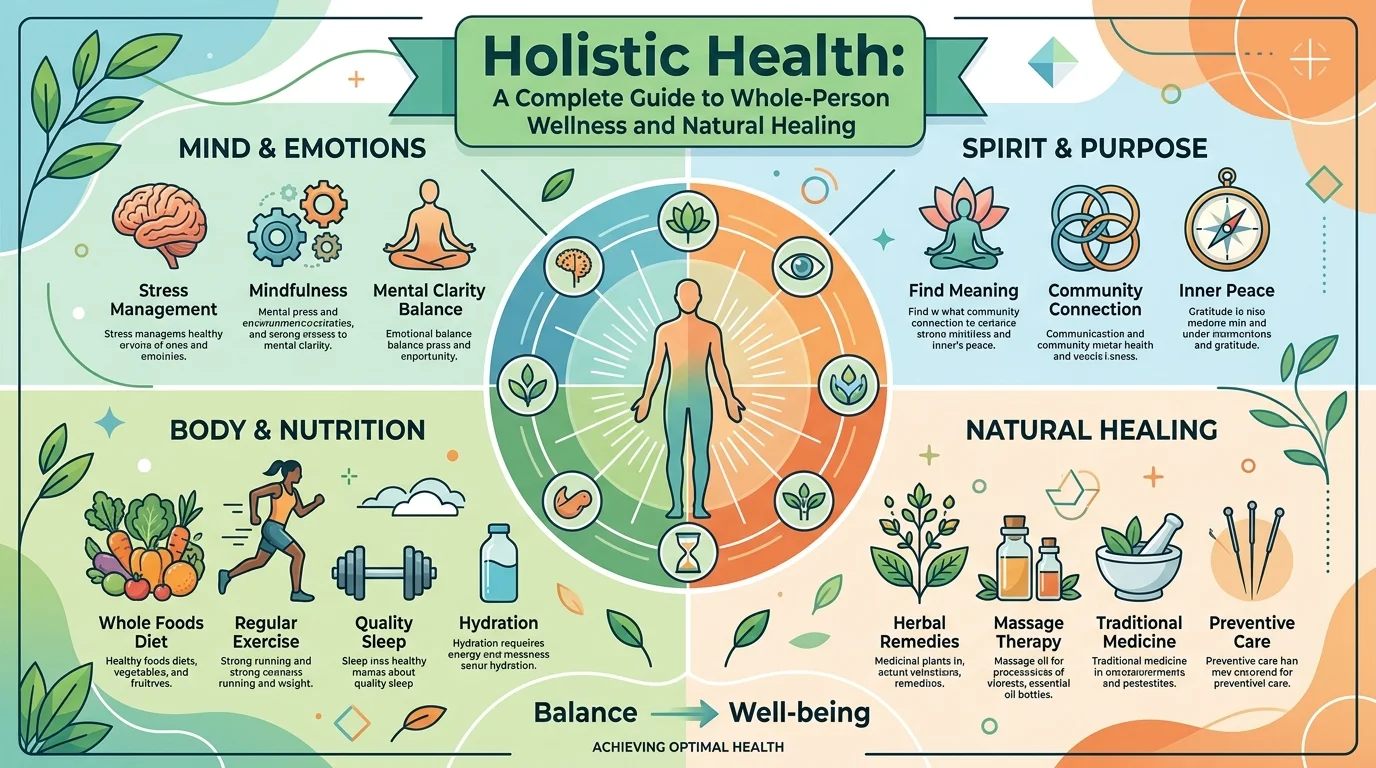
  • Holistic Health: A Complete Guide to Whole-Person Wellness and Natural Healing

    Holistic Health: A Complete Guide to Whole-Person Wellness and Natural Healing

    Introduction

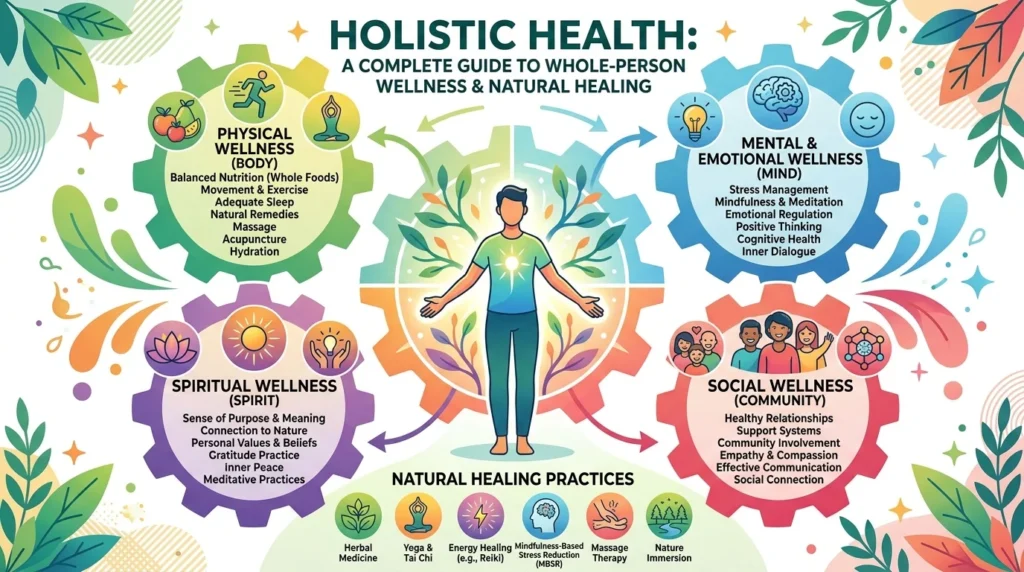
    Holistic health is a comprehensive approach to wellness that considers the entire person—body, mind, spirit, and emotions—rather than focusing solely on physical symptoms or specific diseases. Unlike conventional medicine which often treats isolated health issues, holistic health recognizes that all aspects of a person’s life interact and influence overall well-being. This ancient yet increasingly validated approach draws from multiple healing traditions including Ayurveda, Traditional Chinese Medicine, naturopathy, functional medicine, and integrative health practices. This article provides a complete evidence-based guide to understanding and implementing holistic health principles for optimal wellness.

    What Is Holistic Health?

    Holistic health is rooted in the understanding that human beings are complex, interconnected systems. A problem in one area of life—whether physical pain, emotional trauma, poor diet, toxic relationships, or spiritual disconnection—can manifest as illness elsewhere. Holistic practitioners work to identify and address root causes rather than suppressing symptoms. The word “holistic” derives from the Greek “holos,” meaning whole or entire. This philosophy treats health not merely as the absence of disease but as a state of complete physical, mental, social, and spiritual well-being.

    Core Principles of Holistic Health

    PrincipleDescriptionPractical Application
    WholenessAll parts of a person are interconnectedAddress lifestyle, diet, emotions, and environment together
    PreventionBuilding health proactively is superior to fighting diseaseRegular wellness practices before illness occurs
    Root Cause ResolutionIdentify and treat underlying causes, not symptomsInvestigate diet and stress for headaches instead of taking painkillers
    IndividualityEach person has unique needs and healing pathwaysPersonalized wellness plans, not one-size-fits-all protocols
    Healing Power of NatureThe body has innate self-repair mechanismsSupport natural processes with proper nutrition, rest, and movement
    IntegrationCombine best practices from various healing systemsUse nutrition, herbs, acupuncture, and conventional medicine as needed
    Patient EmpowermentEducation and self-care are essentialLearn to cook healing meals, practice stress reduction, monitor own health

    The Five Pillars of Holistic Health

    Physical Health

    Physical health is the foundation of holistic wellness. This pillar includes nutrition, exercise, sleep, hygiene, and the absence of disease or pain. Key components include:

    • Whole food, plant-rich eating patterns
    • Regular movement appropriate to individual capacity
    • Adequate restorative sleep (7-9 hours for most adults)
    • Proper hydration with clean water
    • Avoidance of toxins in food, water, air, and household products
    • Regular physical examinations and preventive screenings

    Mental Health

    Mental health encompasses cognitive function, emotional regulation, learning capacity, and stress management. Important practices include:

    • Continuous learning and mental stimulation
    • Stress reduction through breathwork and mindfulness
    • Cognitive behavioral skills for negative thought patterns
    • Adequate downtime and mental rest
    • Addressing attention, memory, and concentration issues

    Emotional Health

    Emotional health involves awareness and acceptance of feelings, ability to express emotions appropriately, and capacity for resilience. Key elements:

    • Emotional literacy (naming and understanding feelings)
    • Healthy expression without suppression or explosion
    • Processing past trauma and grief
    • Developing emotional resilience and regulation skills
    • Building empathy for self and others

    Social Health

    Humans are inherently social beings. Social health includes quality of relationships, community connections, and sense of belonging. Components include:

    AspectHealthy IndicatorUnhealthy Indicator
    Family relationshipsSupportive, respectful communicationConflict, criticism, emotional neglect
    FriendshipsMutual trust and reciprocityOne-sided, draining interactions
    CommunityActive participation, sense of belongingIsolation, loneliness
    Work relationshipsCollaborative, respectful environmentBullying, toxic competition
    BoundariesClear, maintained, respectedEnmeshed or rigid boundaries

    Spiritual Health

    Spiritual health does not require religious affiliation. It refers to sense of meaning, purpose, connection to something larger than oneself, and alignment with personal values. Practices include:

    • Meditation or contemplative practice
    • Time in nature
    • Journaling on values and purpose
    • Acts of service or compassion
    • Exploration of personal beliefs and ethics
    • Practices of gratitude and forgiveness

    The Holistic Health Assessment Framework

    Holistic practitioners use detailed assessments to identify imbalances across all life domains. A typical assessment covers:

    DomainQuestions Asked
    PhysicalDiet, exercise, sleep, pain, energy, digestion, medical history
    MentalMemory, concentration, learning style, thought patterns
    EmotionalMood fluctuations, emotional triggers, coping strategies, trauma history
    SocialLiving situation, support system, relationship quality, community involvement
    SpiritualMeaning, purpose, values, spiritual practices, sense of connection
    EnvironmentalHome air and water quality, workplace safety, toxin exposure
    OccupationalWork satisfaction, stress level, alignment with values, financial health

    Evidence Supporting Holistic Health Approaches

    Research increasingly validates holistic health principles. Key findings include:

    InterventionConditionEvidence Quality
    Mindfulness-based stress reductionAnxiety, depression, chronic painStrong (multiple meta-analyses)
    Mediterranean dietCardiovascular disease, cognitive declineVery strong
    Regular physical activityDepression, diabetes, cardiovascular healthVery strong
    Social connectionAll-cause mortality, immune functionStrong
    Sleep optimizationMental health, metabolic health, immune functionStrong
    AcupunctureChronic pain, post-operative nauseaModerate to strong
    YogaLow back pain, anxiety, stressModerate to strong

    The landmark INTERHEART study found that modifiable lifestyle factors—many central to holistic health—account for over 90% of population-attributable risk for heart attacks worldwide.

    Holistic Health Modalities and Practices

    Nutritional Approaches

    • Whole foods, plant-forward eating
    • Elimination of processed foods, refined sugars, industrial seed oils
    • Food sensitivity identification and elimination
    • Chrononutrition (eating aligned with circadian rhythms)
    • Personalized nutrition based on genetics and biomarkers

    Body-Based Therapies

    ModalityPrimary UseMechanism
    AcupuncturePain, stress, fertilityNervous system modulation
    Massage therapyMuscle tension, stress, circulationMechanical and neurological effects
    ChiropracticBack pain, headachesSpinal alignment and nerve function
    OsteopathyMusculoskeletal issues, general healthManual medicine, whole-body approach
    Craniosacral therapyHeadaches, trauma, stressCerebrospinal fluid rhythm

    Mind-Body Practices

    • Meditation (focused attention, loving-kindness, body scan)
    • Breathwork (diaphragmatic, box breathing, alternate nostril)
    • Guided imagery and visualization
    • Biofeedback and neurofeedback
    • Hypnotherapy for pain and habit change

    Energy Medicine

    While controversial in conventional circles, many holistic traditions include energy healing:

    • Reiki (Japanese energy healing)
    • Therapeutic touch
    • Qigong and Tai Chi (movement-based energy practices)
    • Healing touch

    How to Create a Personal Holistic Health Plan

    Step 1: Self-Assessment
    Complete a thorough inventory across all five pillars. Identify strengths and areas needing attention.

    Step 2: Prioritize
    Choose one to three areas to address first. Starting with sleep, nutrition, or stress often yields the greatest initial benefit.

    Step 3: Set SMART Goals
    Specific, Measurable, Achievable, Relevant, Time-bound goals for each priority area.

    Step 4: Select Modalities
    Choose evidence-based practices that resonate with your preferences and resources.

    Step 5: Build Routine
    Integrate practices into daily and weekly schedules. Small consistent actions outperform occasional intensive efforts.

    Step 6: Track and Adjust
    Monitor progress weekly. Adjust approach based on results and changing needs.

    Step 7: Build Support Team
    Engage healthcare providers, coaches, or community members who support holistic principles.

    Holistic Health vs. Conventional Medicine

    AspectHolistic HealthConventional Medicine
    FocusWhole person, root causesSpecific symptoms, disease
    TimelineLong-term prevention and optimizationAcute intervention, crisis management
    Patient roleActive partner, empowered self-healerPassive recipient of care
    ToolsLifestyle, nutrition, herbs, mind-body practicesPharmaceuticals, surgery, radiation
    Evidence baseGrowing, includes traditional use and observational studiesLarge randomized controlled trials
    Best forChronic disease prevention, lifestyle management, mild conditionsTrauma, severe infections, emergencies, surgical needs
    CostOften lower, but may be out-of-pocketOften higher, but frequently covered by insurance

    These approaches are complementary, not oppositional. Many holistic health advocates use conventional medicine for acute emergencies while relying on holistic practices for prevention and chronic condition management.

    Risks and Limitations of Holistic Health

    Holistic approaches are generally safe but carry specific risks:

    • Delaying effective conventional treatment for serious conditions
    • Financial exploitation by unqualified practitioners
    • Herb-drug interactions when combining approaches
    • Lack of standardized training across many holistic modalities

    Always maintain a primary care relationship and disclose all holistic practices to your medical providers. Use evidence-informed practitioners with recognized credentials (MD, DO, ND, LAc, certified health coach).

    Frequently Asked Questions (FAQs)

    Q1: Is holistic health scientifically proven?
    A1: Many individual components (nutrition, exercise, sleep, meditation, social connection) have strong scientific support. The holistic principle of whole-person integration is supported by systems biology and psychoneuroimmunology research, though more studies on comprehensive holistic programs are needed.

    Q2: Does holistic health reject conventional medicine?
    A2: No. Evidence-based holistic health integrates the best of both worlds. It uses conventional medicine for emergencies and severe illness while emphasizing natural, lifestyle-based approaches for prevention and chronic conditions.

    Q3: How do I find a qualified holistic health practitioner?
    A3: Look for licensed integrative medicine physicians (MD or DO with additional training), naturopathic doctors (ND), functional medicine certified practitioners, or licensed acupuncturists (LAc). Avoid practitioners who claim to cure all diseases or who advise stopping prescribed medications.

    Q4: How much does holistic health cost?
    A4: Basic practices like whole food cooking, walking, meditation, and sleep hygiene cost little to nothing. Professional consultations range from 100100−500 per visit and are often not covered by insurance. However, many preventive holistic practices reduce long-term healthcare expenses.

    Q5: Can holistic health help with mental illness?
    A5: Yes, but as part of a comprehensive plan. Nutrition, exercise, sleep, social connection, and stress reduction all improve mental health outcomes. However, severe depression, bipolar disorder, or schizophrenia often require conventional psychiatric medication alongside holistic practices.

    Q6: How long until I see results from holistic health practices?
    A6: Sleep improvements often occur within days. Stress reduction and mood changes may take 2-4 weeks. Chronic health conditions may require 3-6 months of consistent practice. Physical fitness and metabolic changes take 8-12 weeks.

    Q7: Is holistic health the same as alternative medicine?
    A7: Not exactly. Alternative medicine replaces conventional treatment. Holistic health integrates conventional and complementary approaches, using each where most appropriate. Integrative medicine is the preferred modern term.

    Q8: Can children benefit from holistic health?
    A8: Absolutely. Whole foods, outdoor play, adequate sleep, limited screen time, and emotional coaching are holistic health practices for children that establish lifelong wellness patterns.

    Q9: What is the difference between holistic health and functional medicine?
    A9: Functional medicine is a specific systems-based approach practiced by licensed healthcare providers, using advanced lab testing to identify root causes. Holistic health is a broader philosophy encompassing many practices, some of which may not require professional training.

    Q10: Where do I start with holistic health?
    A10: Begin with the foundational four: prioritize 7-8 hours of sleep nightly, walk outdoors for 30 minutes daily, eat one meal of whole plant foods, and practice 5 minutes of deep breathing. Master these before adding other modalities.

    Conclusion

    Holistic health represents a return to ancient wisdom validated by modern science. The understanding that human health emerges from the dynamic interaction of body, mind, emotions, relationships, and environment is not merely philosophical but practical and powerful. Chronic diseases that plague modern society—heart disease, diabetes, depression, autoimmune conditions—rarely have single causes and rarely respond to single interventions. They develop from imbalances across multiple life domains and require comprehensive, personalized, whole-person approaches for resolution. Holistic health does not demand rejection of conventional medicine but rather its intelligent integration with lifestyle, nutrition, mind-body practices, and social connection. The evidence is clear: people who eat whole foods, move regularly, sleep sufficiently, manage stress, maintain strong relationships, and live with purpose enjoy longer, healthier, and more satisfying lives. Start where you are. Use what you have. Do what you can. Your whole self will thank you.

  • Herbal Remedies: A Complete Evidence-Based Guide to Natural Healing with Medicinal Plants

    Herbal Remedies: A Complete Evidence-Based Guide to Natural Healing with Medicinal Plants

    Introduction

    Herbal remedies represent the oldest form of medicine known to humanity, with plants being used for healing purposes across every culture for thousands of years. From traditional Chinese medicine and Ayurveda to European herbalism and Indigenous healing practices, medicinal plants have provided relief for virtually every ailment known to humankind . In an era of rising healthcare costs, increasing pharmaceutical side effects, and growing interest in natural wellness, herbal remedies are experiencing a remarkable resurgence. This comprehensive guide explores the science, safety, preparation methods, and applications of herbal medicine, providing evidence-based information for both beginners and experienced practitioners.

    What Are Herbal Remedies?

    Herbal remedies are plants or plant parts—including leaves, roots, flowers, seeds, and bark—used for therapeutic purposes to prevent or treat illness, relieve symptoms, boost energy, promote relaxation, or support overall health . Unlike pharmaceutical drugs that typically contain isolated chemical compounds, herbal remedies utilize the complex synergy of multiple bioactive phytochemicals naturally present in plants. These include alkaloids, flavonoids, terpenes, polyphenols, and glycosides that work together to produce therapeutic effects while often reducing the risk of adverse reactions associated with single-compound medications .

    The Scientific Basis of Herbal Medicine

    Modern research has validated what traditional healers knew intuitively for centuries. Bioactive phytocompounds from medicinal plants interact with human physiological systems through multiple mechanisms:

    MechanismActionTherapeutic Application
    Monoamine modulationAffects serotonin, dopamine, norepinephrine levelsDepression, anxiety
    GABAergic activityEnhances calming neurotransmitter functionInsomnia, stress, anxiety
    HPA axis regulationNormalizes stress hormone responseChronic stress, fatigue
    Anti-inflammatory actionReduces cytokine activityArthritis, autoimmune conditions
    Antioxidant effectsNeutralizes free radicalsCardiovascular health, aging
    MAO inhibitionPrevents breakdown of mood-regulating chemicalsDepression

    Research has demonstrated that phytochemicals modulate gene expression, immune function, and metabolic pathways across multiple organ systems, contributing to immune, neurological, endocrine, cardiovascular, respiratory, and mental health improvements .

    Most Effective Herbal Remedies by Condition

    For Anxiety, Depression, and Sleep Disorders

    Clinical studies have confirmed the efficacy of several herbs for mental health conditions. These herbs demonstrate anxiolytic, antidepressant, and sedative effects through various mechanisms including modulation of monoaminergic and GABAergic pathways :

    HerbPrimary UseMechanismEvidence Strength
    St. John’s Wort (Hypericum perforatum)Mild to moderate depressionMonoamine reuptake inhibitionStrong
    Ashwagandha (Withania somnifera)Anxiety, stress, insomniaHPA axis regulationModerate to strong
    Valerian (Valeriana officinalis)Insomnia, sleep qualityGABAergic activityModerate
    Passionflower (Passiflora incarnata)Generalized anxietyGABA enhancementModerate
    Saffron (Crocus sativus)Depression, moodSerotonergic activityModerate
    Chamomile (Matricaria chamomilla)Mild anxiety, sleepGABAergic, anti-inflammatoryModerate

    For Cardiovascular Health

    Cardiovascular diseases remain the leading cause of global mortality, and herbal compounds offer promising therapeutic alternatives with fewer side effects than conventional medications . Bioactive phytocompounds including curcumin, resveratrol, ginsenosides, berberine, quercetin, and catechins have demonstrated pronounced cardioprotective effects by:

    • Attenuating oxidative stress and inflammation
    • Improving endothelial dysfunction
    • Restoring lipid metabolism
    • Maintaining mitochondrial integrity
    • Enhancing nitric oxide bioavailability
    • Regulating calcium signalling and inflammatory pathways 

    For Digestive Health

    Traditional use of herbs for digestive complaints is supported by modern research. Common effective remedies include:

    HerbConditionPreparation
    Peppermint (Mentha piperita)IBS, bloating, indigestionTea, enteric-coated capsules
    Ginger (Zingiber officinale)Nausea, motion sickness, dyspepsiaFresh tea, capsules, tincture
    Fennel (Foeniculum vulgare)Gas, bloating, colicSeed tea, chew seeds
    ChamomileIndigestion, mild GI inflammationTea
    Milk thistle (Silybum marianum)Liver supportStandardized extract

    For Immune Support

    HerbPrimary UseBest Form
    Echinacea (Echinacea purpurea)Cold prevention and duration reductionTincture, tea at first symptoms
    Elderberry (Sambucus nigra)Flu symptoms, viral infectionsSyrup, extract
    Garlic (Allium sativum)Antimicrobial, immune modulationRaw cloves, aged extract
    Astragalus (Astragalus membranaceus)Immune strengthening, preventionDecoction, tincture

    Common Herbal Preparation Methods

    Understanding preparation methods is essential for safe and effective use of herbal remedies :

    Teas and Infusions

    Best for leaves, flowers, and delicate plant parts. Pour boiling water over 1-2 teaspoons of dried herb per cup, cover, and steep for 5-15 minutes. Strain and drink. Examples include chamomile, peppermint, and nettle.

    Decoctions

    Used for roots, bark, and seeds which require more extraction time. Simmer 1-2 tablespoons of herb in 2 cups of water for 15-30 minutes. Strain and consume. Examples include ginger root, astragalus, and burdock root.

    Tinctures

    Herbs soaked in alcohol (vodka or brandy) for 4-6 weeks to extract active compounds. Tinctures are concentrated and have long shelf lives. Standard dosage is 1-2 dropperfuls (30-60 drops) taken 2-3 times daily.

    Capsules and Tablets

    Convenient for herbs with unpleasant taste or for standardized dosing. Look for “standardized extract” on labels to ensure consistent active ingredient content .

    Topical Preparations

    Oils, salves, and compresses for skin conditions, muscle pain, or wound healing. Essential oils can be diluted in carrier oils for aromatherapy or massage .

    Safety Considerations and Precautions

    Natural does not automatically mean safe. Herbal remedies must be used with the same caution as pharmaceutical drugs .

    Critical Safety Rules

    DoDo Not
    Consult your healthcare provider before starting any herbal regimenUse herbals without telling your doctor
    Buy from certified sources (USP Verified, ConsumerLab.com Approved)Give herbals to children without professional guidance
    Research potential interactions with your medicationsUse herbals if pregnant or breastfeeding without medical approval
    Start with lowest effective doseUse herbals before surgery (2 weeks minimum washout)
    Monitor for side effects and allergic reactionsAssume “natural” guarantees safety

    Known Herb-Drug Interactions

    St. John’s Wort can reduce effectiveness of birth control pills, antidepressants, blood thinners, and many other medications by affecting liver enzymes . Kava, while effective for anxiety, has been associated with severe liver damage and carries FDA warnings . Valerian may cause excessive sedation when combined with alcohol or benzodiazepines. Serotonin syndrome is possible when combining serotonergic herbs with antidepressants .

    Regulatory Considerations

    Herbal remedies are regulated as dietary supplements in most countries, not as medicines. This means:

    • They do not require pre-market safety and efficacy testing
    • Labels do not need approval before products reach consumers
    • Products may contain contaminants or incorrect ingredient amounts
    • Quality varies significantly between manufacturers 

    Always purchase from reputable companies that provide third-party certification (USP, NSF, or ConsumerLab.com) to verify purity and potency.

    Building a Home Herbal Apothecary

    Start with these versatile, safe herbs for common household needs:

    1. Chamomile: Calming tea for sleep and digestion
    2. Peppermint: Digestive aid and headache relief
    3. Ginger: Nausea and inflammation
    4. Echinacea: Immune support at cold onset
    5. Lavender: Stress relief and minor burns
    6. Calendula: Skin healing salves
    7. Garlic: Antimicrobial and cardiovascular support

    When to Avoid Self-Treatment with Herbs

    Seek professional medical care rather than relying solely on herbs for:

    • Severe or worsening symptoms
    • Unexplained weight loss
    • High fever lasting more than 48 hours
    • Chest pain or difficulty breathing
    • Severe pain
    • Blood in stool or vomit
    • Signs of infection requiring antibiotics

    Frequently Asked Questions (FAQs)

    Q1: Are herbal remedies safe for everyone?
    A1: No. Pregnant or nursing women, children, elderly individuals, people with liver or kidney disease, and those taking multiple medications should consult a healthcare provider before using herbal remedies .

    Q2: How long do herbal remedies take to work?
    A2: Effects vary by herb and condition. Acute issues like cold symptoms may respond within hours. Chronic conditions like anxiety or insomnia often require 2-6 weeks of consistent use before full benefits appear.

    Q3: Can I take herbal remedies with prescription medications?
    A3: Only under medical supervision. Many herbs interact with medications, potentially reducing efficacy or causing toxicity. Always disclose all herbs and supplements to your doctor and pharmacist .

    Q4: What is the difference between a tea and a tincture?
    A4: Tea is a water-based extraction suitable for delicate plant parts and immediate use. Tincture is an alcohol-based extraction that concentrates active compounds and provides longer shelf life (2-5 years) .

    Q5: How do I know if a product is high quality?
    A5: Look for “USP Verified,” “ConsumerLab.com Approved,” or “NSF International” seals on labels. Choose products that list Latin binomial names, part of plant used, and standardized extract percentages when applicable .

    Q6: Can herbs cause side effects?
    A6: Yes. Common side effects include digestive upset, allergic reactions, headaches, and drowsiness. Serious effects like liver damage are rare but possible with specific herbs or adulterated products .

    Q7: Are fresh herbs better than dried?
    A7: Both have advantages. Fresh herbs contain volatile oils that may degrade during drying. Dried herbs are more concentrated by weight and available year-round. Many traditional preparations specifically call for dried plant material.

    Q8: Can I grow my own medicinal herbs?
    A8: Yes. Many common herbs like chamomile, peppermint, lavender, calendula, and echinacea grow well in home gardens. Proper identification, harvesting at correct times, and appropriate drying techniques are essential.

    Q9: How should I store herbal remedies?
    A9: Store dried herbs in airtight glass containers away from light, heat, and moisture. Tinctures in dark glass bottles at room temperature. Most dried herbs maintain potency for 6-12 months; tinctures last 2-5 years.

    Q10: Is it safe to give herbal remedies to children?
    A10: Generally not without professional guidance. Children’s metabolism differs from adults, and many herbs lack pediatric safety data. Always consult a qualified herbalist or pediatrician first .

    Conclusion

    Herbal remedies offer a bridge between ancient healing wisdom and modern scientific validation. The growing body of research confirms what traditional practitioners have known for millennia: plants contain powerful therapeutic compounds capable of supporting human health across multiple systems. From cardiovascular protection to mental wellness, digestive health to immune support, medicinal plants provide effective, accessible, and often safer alternatives to synthetic drugs. However, this potential must be balanced with respect for safety. The same bioactive compounds that heal can harm if misused. Quality matters. Dosage matters. Professional guidance matters. When approached with knowledge, respect, and caution, herbal remedies become not just a complement to conventional medicine but a foundational element of true wellness. The future of healthcare increasingly recognizes that nature, properly understood and carefully utilized, holds solutions that laboratories cannot replicate.

  • Natural Wellness: A Comprehensive Guide to Holistic Health Without Artificial Interventions

    Natural Wellness: A Comprehensive Guide to Holistic Health Without Artificial Interventions

    Introduction

    Natural wellness refers to the practice of maintaining and restoring health using methods derived from nature, traditional knowledge systems, and lifestyle habits that align with the human body’s innate healing capacities. Unlike conventional medicine that often relies on synthetic drugs and invasive procedures, natural wellness emphasizes prevention, self-care, nutrition, herbal remedies, physical activity, stress management, and environmental harmony. This article explores the core principles, evidence-based benefits, practical applications, and common modalities of natural wellness, providing a complete roadmap for anyone seeking to optimize their health without artificial chemicals or unnecessary medical interventions.

    What Is Natural Wellness?

    Natural wellness is a holistic approach to health that treats the entire person—body, mind, and spirit—rather than isolated symptoms. It draws from disciplines such as herbalism, nutritional therapy, traditional Chinese medicine, Ayurveda, naturopathy, and lifestyle medicine. The fundamental belief is that the human body possesses an inherent ability to heal itself when given the right conditions: whole foods, clean water, sunlight, fresh air, restful sleep, movement, emotional balance, and connection to nature. Natural wellness does not reject modern medicine entirely but integrates safe, natural methods as first-line approaches for prevention and treatment of common ailments.

    Core Principles of Natural Wellness

    PrincipleDescriptionPractical Application
    First, do no harmUse non-invasive, low-risk interventions before stronger measuresStart with diet changes before supplements
    Healing power of natureTrust the body’s self-repair mechanismsSupport fever and inflammation rather than suppressing them
    Identify and treat the causeAddress root issues, not just symptomsInvestigate food sensitivities instead of taking antacids
    Treat the whole personConsider physical, emotional, social, and environmental factorsCombine counseling with nutrition for depression
    Prevention is best medicineBuild health proactivelyEstablish daily wellness rituals before illness occurs
    Doctor as teacherEmpower patients with knowledge and self-care skillsLearn to prepare herbal teas and nutrient-dense meals

    Major Components of Natural Wellness

    Nutrition as Medicine

    Whole, unprocessed foods form the foundation of natural wellness. A diet rich in vegetables, fruits, legumes, nuts, seeds, whole grains, and clean protein sources provides phytonutrients, antioxidants, fiber, and essential fatty acids. Key principles include eating seasonally, preferring organic when possible, avoiding industrial seed oils, limiting refined sugar, and staying hydrated with pure water. Intermittent fasting, mindful eating, and food combining are additional strategies used in natural wellness.

    Herbal Medicine

    Plants have been used for healing for thousands of years, and modern research confirms many traditional uses. Common natural wellness herbs include:

    HerbPrimary UseForm
    ChamomileAnxiety, insomniaTea, tincture
    EchinaceaImmune support for coldsTincture, capsules
    TurmericInflammation, joint painPowder, golden milk
    GingerNausea, digestionFresh root, tea
    AshwagandhaStress adaptationPowder, capsules
    Milk thistleLiver healthTincture, seeds
    GarlicCardiovascular, antimicrobialRaw cloves, aged extract

    Physical Activity and Movement

    Natural wellness promotes movement patterns that mimic human evolutionary biology: walking, running, squatting, climbing, lifting, stretching, and playing. Regular moderate activity reduces chronic disease risk, improves mood, supports lymphatic drainage, and maintains musculoskeletal health. Outdoor exercise provides added benefits of sunlight and fresh air. Rest days and sleep are equally valued for tissue repair and hormonal balance.

    Stress Management and Emotional Health

    Chronic stress is a primary driver of modern disease. Natural wellness addresses this through breathwork (diaphragmatic breathing, alternate nostril breathing), meditation, time in nature, social connection, creative expression, and adequate sleep. Adaptogenic herbs like rhodiola and holy basil help the body resist stress effects. Journaling, gratitude practices, and digital detoxes are simple, cost-free tools.

    Sleep Hygiene

    Restorative sleep is non-negotiable in natural wellness. Key practices include consistent bedtimes, complete darkness, cool room temperature, no screens before bed, morning sunlight exposure, and avoiding caffeine after noon. Herbal aids like valerian root, passionflower, and magnesium-rich foods (dark leafy greens, pumpkin seeds) support natural sleep cycles without pharmaceutical sedatives.

    Environmental Health

    Natural wellness recognizes that toxins in air, water, food, and household products undermine health. Practical steps include using glass instead of plastic, filtering tap water, choosing natural cleaning products (vinegar, baking soda, essential oils), reducing electromagnetic field exposure, and improving indoor air quality with plants and open windows.

    Evidence-Based Benefits of Natural Wellness

    Health AreaBenefitKey Evidence
    CardiovascularLower blood pressure and cholesterolMediterranean diet studies, garlic research
    MetabolicImproved insulin sensitivityFiber-rich whole foods, regular movement
    DigestiveReduced bloating and irregularityProbiotic foods, herbal bitters
    ImmuneFewer and shorter infectionsEchinacea meta-analyses, vitamin D from sun
    MentalReduced anxiety and depressionExercise, meditation, omega-3 fatty acids
    PainDecreased chronic painTurmeric for arthritis, ginger for muscle soreness
    LongevityLower all-cause mortalityPlant-based diets, social connection

    Comparison: Natural Wellness vs. Conventional Approach

    AspectNatural WellnessConventional Medicine
    FocusPrevention and root causesSymptom management
    TimelineLong-term lifestyle changesQuick fixes, acute care
    ToolsFood, herbs, movement, mind-body practicesPharmaceuticals, surgery, radiation
    Side effectsMinimal when used correctlyOften significant
    CostLow to moderateHigh
    EvidenceTraditional use plus growing modern researchLarge clinical trials
    Best forChronic conditions, prevention, mild illnessesEmergencies, severe infections, trauma

    Natural wellness works alongside conventional medicine. For example, a cancer patient may use nutrition and stress reduction during chemotherapy, not instead of it.

    Common Natural Wellness Protocols for Everyday Ailments

    For Colds and Flu

    Rest, hydration, bone broth, ginger tea with raw honey, nasal saline rinse, zinc lozenges (after meals), vitamin C from citrus and bell peppers, and echinacea tincture at first sign of symptoms. Avoid dairy and sugar during active infection.

    For Digestive Discomfort

    Peppermint or fennel tea after meals, fermented vegetables (sauerkraut, kimchi) daily, abdominal self-massage, walking after eating, and identifying trigger foods through an elimination diet. Avoid eating while stressed.

    For Headaches

    Identify triggers (dehydration, eye strain, poor posture, food additives). Apply peppermint essential oil diluted on temples. Drink water with a pinch of salt. Rest in a dark, quiet room. For tension headaches, neck stretches and warm compresses.

    For Poor Sleep

    Morning sunlight exposure within 30 minutes of waking. No caffeine after 2 PM. No screens for 90 minutes before bed. Magnesium glycinate or Epsom salt bath. Consistent wake time even on weekends.

    How to Start Your Natural Wellness Journey

    Step 1: Assess your current habits. Track food, sleep, stress, and activity for one week.
    Step 2: Make one change at a time. Start with hydration or walking daily.
    Step 3: Remove one processed food item each week.
    Step 4: Add one herbal tea or whole food daily.
    Step 5: Create a morning and evening routine.
    Step 6: Find community or an accountability partner.
    Step 7: Learn from reputable sources. Avoid social media wellness influencers without credentials.
    Step 8: Listen to your body. No two people have identical needs.

    Risks and Precautions

    Natural does not automatically mean safe. Herbs can interact with prescription medications. Some plants are toxic if misidentified. Pregnant or nursing women, children, elderly individuals, and those with chronic illnesses should consult qualified practitioners (naturopathic doctors, clinical herbalists) before starting new protocols. Quality matters: buy herbs from reputable sources to avoid heavy metals or adulteration. Start with low doses and increase gradually.

    Frequently Asked Questions (FAQs)

    Q1: What is the difference between natural wellness and naturopathy?
    A1: Natural wellness is a lifestyle approach anyone can practice. Naturopathy is a licensed medical profession that includes diagnosis, prescription of natural treatments, and in some regions, prescription drugs.

    Q2: Can natural wellness cure chronic diseases like diabetes or arthritis?
    A2: It can significantly improve outcomes, reduce medication needs, and in some cases reverse type 2 diabetes through diet and lifestyle. However, work with a medical doctor and do not abandon prescribed treatments abruptly.

    Q3: Is organic food necessary for natural wellness?
    A3: No, but it reduces pesticide exposure. If budget is limited, prioritize organic for the Dirty Dozen (strawberries, spinach, kale, etc.) and buy conventional for the Clean Fifteen.

    Q4: How do I know which herbs are right for me?
    A4: Consult a clinical herbalist or naturopathic doctor. Start with gentle, well-studied herbs like chamomile or ginger. Avoid buying proprietary blends with many ingredients.

    Q5: Can children practice natural wellness?
    A5: Yes, but with child-appropriate doses and herbs. Many pediatricians support whole foods, outdoor play, and limited screen time as natural wellness for children. Avoid strong herbs without professional guidance.

    Q6: Is natural wellness expensive?
    A6: It can be very affordable. Walking, sunlight, sleep, and filtered water cost nothing. Herbs grown at home or bought in bulk are cheaper than pharmaceuticals. The most expensive aspect is often buying whole, unprocessed foods.

    Q7: How long until I see results?
    A7: Some changes like better sleep occur within days. Metabolic and inflammatory improvements take 4-12 weeks. Chronic condition changes may take 6 months or longer of consistent practice.

    Q8: Does natural wellness include supplements?
    A8: Yes, but whole foods are preferred. Supplements should fill specific gaps (e.g., vitamin D in winter, B12 for vegans) rather than replace healthy eating.

    Q9: Can I practice natural wellness while taking prescription medications?
    A9: Yes, but inform your doctor and pharmacist about all herbs and supplements. Many interactions are possible, especially with blood thinners, antidepressants, and diabetes medications.

    Q10: What is the single most important natural wellness practice?
    A10: Whole food, plant-rich eating combined with daily walking outdoors. If you do nothing else, these two habits produce the greatest health returns.

    Conclusion

    Natural wellness is not a rejection of modern science but a return to fundamental truths about human health. The body evolved over millions of years in a natural environment, eating whole foods, moving frequently, sleeping in circadian rhythms, and living in community. Many chronic diseases of modern life arise precisely because we have abandoned these conditions. By systematically reintroducing natural methods—nutrient-dense food, medicinal plants, movement, stress management, restorative sleep, and environmental hygiene—most people can reduce symptoms, decrease medication dependence, improve energy, and extend healthspan. Start small, stay consistent, and trust the process. Your body knows how to heal when you give it what it truly needs.

  • Nature Healing: The Science-Backed Path to Mental and Physical Wellness

    Nature Healing: The Science-Backed Path to Mental and Physical Wellness

    Introduction

    Nature healing, also known as ecotherapy or green therapy, refers to the practice of using natural environments to improve mental health, physical well-being, and emotional balance. In an era where urbanization, screen addiction, and chronic stress dominate daily life, reconnecting with nature has emerged as a powerful, cost-effective, and scientifically proven method for restoring human health. This article explores the mechanisms, benefits, practical applications, and evidence behind nature healing, offering a comprehensive guide for anyone seeking holistic wellness through the natural world.

    What Is Nature Healing?

    Nature healing is the therapeutic use of outdoor settings—forests, parks, gardens, beaches, mountains, or even urban green spaces—to promote recovery from stress, anxiety, depression, and physical ailments. Unlike conventional medicine that often targets specific symptoms, nature healing addresses the whole person by leveraging biophilia, the innate human tendency to seek connections with living systems. This approach includes activities like forest bathing (Shinrin-yoku), wilderness therapy, horticulture therapy, and simple mindful walks in green areas.

    The Science Behind Nature Healing

    Extensive research has validated nature healing as an evidence-based intervention. Key physiological and psychological mechanisms include:

    MechanismEffect on Body and Mind
    Reduced Cortisol LevelsNature exposure lowers stress hormone production, reducing anxiety and blood pressure
    Enhanced Immune FunctionPhytoncides from trees increase natural killer (NK) cell activity, fighting infections
    Improved Mood RegulationSunlight boosts serotonin; green spaces reduce rumination and negative thought patterns
    Restored Attention CapacityNatural settings allow directed attention to rest, improving focus and cognitive function
    Decreased InflammationTime in nature lowers inflammatory markers linked to depression and autoimmune diseases

    Major Benefits of Nature Healing

    Mental Health Improvements

    Studies show that just 20 minutes in nature significantly reduces perceived stress. Nature healing helps manage generalized anxiety disorder, major depression, and post-traumatic stress disorder. It also decreases symptoms of attention deficit hyperactivity disorder in children and adults. Regular nature exposure fosters resilience, emotional regulation, and overall life satisfaction.

    Physical Health Gains

    Nature healing lowers resting heart rate, reduces muscle tension, and improves cardiovascular health. Patients recovering from surgery heal faster with views of trees versus walls. Time outside increases vitamin D synthesis, which supports bone health and immune defense. Walking in nature improves balance, coordination, and chronic pain management.

    Cognitive and Social Benefits

    Children who play in natural settings show better concentration and problem-solving skills. Nature healing promotes pro-environmental behavior and social bonding when done in groups. Office workers with window views of greenery report higher productivity and lower burnout rates.

    How to Practice Nature Healing

    You do not need a forest or a weekend retreat. These simple methods work anywhere:

    ActivityDurationExpected Outcome
    Mindful walking15-30 minutesReduced anxiety, improved focus
    Forest bathing2 hoursLowered cortisol, boosted immunity
    Gardening30 minutesElevated mood, mild exercise
    Outdoor meditation10 minutesCalm nervous system
    Earthing (barefoot on grass)20 minutesReduced inflammation, better sleep
    Birdwatching1 hourIncreased mindfulness, joy

    For best results, aim for 120 minutes of nature contact per week, a threshold identified in British health studies as producing significant well-being gains.

    Nature Healing in Different Settings

    Urban Nature Healing

    City dwellers can use public parks, rooftop gardens, indoor plants, and balcony green spaces. Even viewing nature through a window or watching nature videos has measurable benefits, though direct contact is superior.

    Wilderness Therapy

    Structured programs for at-risk youth or trauma survivors involve multi-day backpacking, camping, and survival skills. These interventions show long-term improvements in self-esteem and behavioral issues.

    Horticulture Therapy

    Used in hospitals, rehabilitation centers, and nursing homes, planting and tending gardens improves fine motor skills, reduces agitation in dementia patients, and gives a sense of purpose.

    Comparing Nature Healing with Conventional Treatments

    AspectNature HealingMedication/Therapy
    CostLow to freeOften expensive
    Side effectsNone (except allergies)Many possible
    AccessibilityRequires outdoor accessWidely available
    Evidence baseGrowing, robustExtensive
    Best forMild to moderate conditionsSevere or acute cases

    Nature healing is not a replacement for emergency medical care or severe psychiatric treatment. However, it serves as an excellent complementary or preventive strategy.

    Challenges and Considerations

    Seasonal weather, urban noise, physical disabilities, and lack of nearby green space can limit access. Virtual nature experiences (VR forests, nature sound apps) offer partial benefits but lack sensory richness. People with severe allergies or compromised immune systems should consult doctors before extensive outdoor exposure. Additionally, nature healing requires intentional effort; passive presence yields less benefit than active engagement.

    Practical Tips for Starting Nature Healing

    Start with 10 minutes daily in your yard or a local park. Leave your phone indoors or on airplane mode. Use all five senses: feel the breeze, listen to birds, smell the earth, taste clean air, and observe colors and textures. Try the same path at different times and seasons to deepen connection. Join a walking group or forest bathing guide for accountability. Track your mood before and after to recognize personal benefits.

    Future of Nature Healing

    Healthcare systems in Japan, Finland, and Canada now prescribe nature time. Urban planners are integrating biophilic design into hospitals, schools, and offices. Research continues on optimal doses, biodiversity levels, and personalized nature prescriptions. As climate change threatens natural spaces, protecting and restoring local ecosystems becomes a public health priority.

    Conclusion

    Nature healing is not a mystical concept but a measurable, accessible, and powerful tool for modern well-being. From lowering stress hormones to improving immune function and lifting mood, the evidence is clear: time in nature heals. Whether you live in a bustling city or a rural area, small daily doses of green space can transform your mental and physical health. Start today with one mindful minute outside. Your biology already knows the way.

    Frequently Asked Questions (FAQs)

    Q1: What is nature healing called in medical terms?
    A1: It is referred to as ecotherapy, green therapy, or nature-assisted therapy in clinical literature.

    Q2: How long does nature healing take to work?
    A2: Many people notice reduced stress after 20 minutes. Significant immune and mood changes often appear after 2 hours per week over several weeks.

    Q3: Can nature healing replace antidepressants or therapy?
    A3: No, it is best used as a complementary practice. Consult your doctor before changing any treatment plan.

    Q4: Is walking in a city park as effective as hiking in a forest?
    A4: Both help, but forests with diverse plant life and minimal noise pollution show stronger physiological benefits. City parks still outperform indoor environments.

    Q5: What if I am disabled or cannot go outside easily?
    A5: Indoor plants, nature videos, recorded bird songs, and open windows with garden views provide partial benefits. Some hospitals offer horticulture therapy rooms for limited mobility patients.

    Q6: Does nature healing work for children with ADHD?
    A6: Yes, multiple studies confirm that green play spaces reduce ADHD symptoms more than indoor or built outdoor environments.

    Q7: What is forest bathing exactly?
    A7: Shinrin-yoku is a Japanese practice of slow, mindful walking in a forest with focused sensory engagement. No bathing or exercise required.

    Q8: Can nature healing help with insomnia?
    A8: Yes, morning sunlight exposure helps regulate circadian rhythms. Earthing and fresh air also improve sleep quality.

    Q9: Are there any risks to nature healing?
    A9: Risks include insect bites, poison ivy, weather exposure, and falls on uneven ground. Basic precautions like bug spray, appropriate clothing, and staying on paths reduce these risks.

    Q10: How do I measure my progress with nature healing?
    A10: Keep a simple journal rating your stress, energy, and mood on a 1-10 scale before and after each nature session. Wearable devices can track heart rate variability.

  • Hello world!

    Welcome to WordPress. This is your first post. Edit or delete it, then start writing!