Introduction
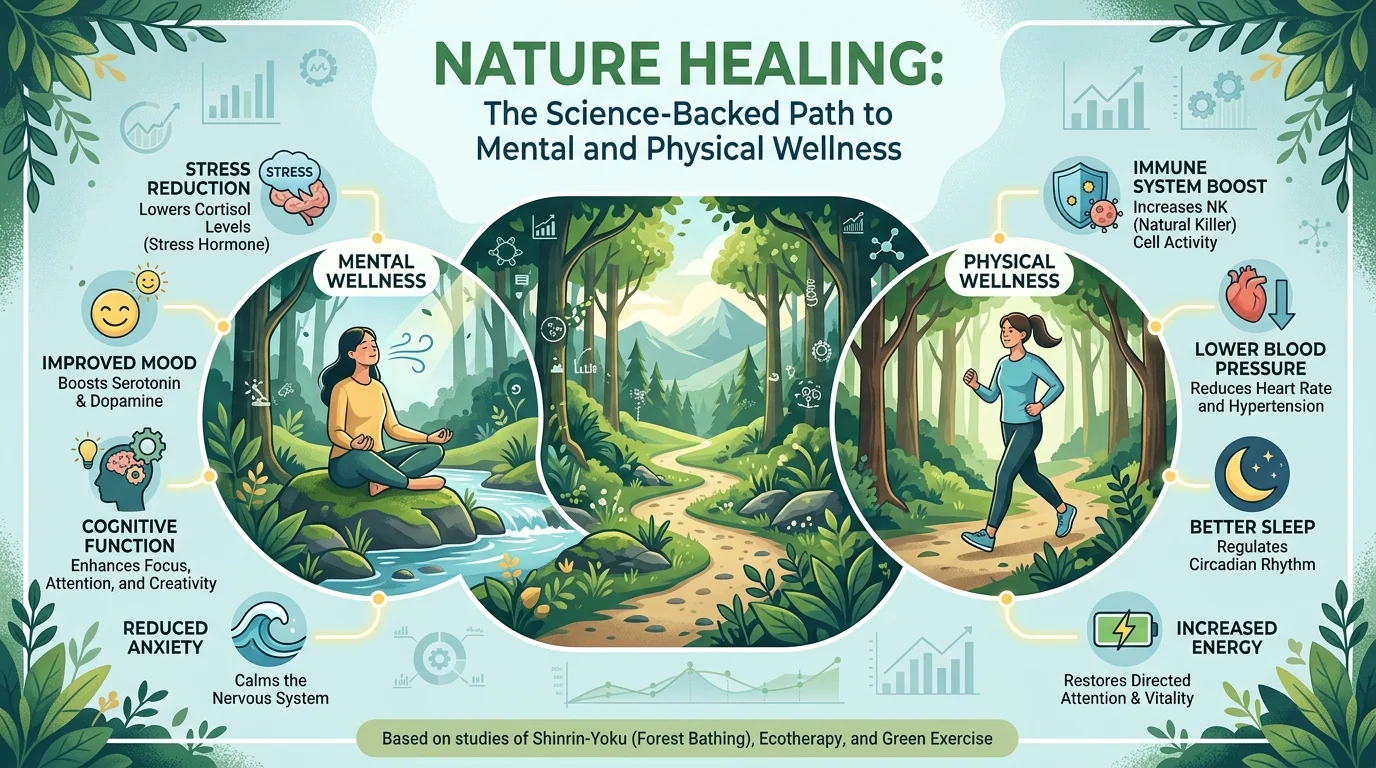
Nature healing, also known as ecotherapy or green therapy, refers to the practice of using natural environments to improve mental health, physical well-being, and emotional balance. In an era where urbanization, screen addiction, and chronic stress dominate daily life, reconnecting with nature has emerged as a powerful, cost-effective, and scientifically proven method for restoring human health. This article explores the mechanisms, benefits, practical applications, and evidence behind nature healing, offering a comprehensive guide for anyone seeking holistic wellness through the natural world.
What Is Nature Healing?
Nature healing is the therapeutic use of outdoor settings—forests, parks, gardens, beaches, mountains, or even urban green spaces—to promote recovery from stress, anxiety, depression, and physical ailments. Unlike conventional medicine that often targets specific symptoms, nature healing addresses the whole person by leveraging biophilia, the innate human tendency to seek connections with living systems. This approach includes activities like forest bathing (Shinrin-yoku), wilderness therapy, horticulture therapy, and simple mindful walks in green areas.
The Science Behind Nature Healing
Extensive research has validated nature healing as an evidence-based intervention. Key physiological and psychological mechanisms include:
| Mechanism | Effect on Body and Mind |
|---|---|
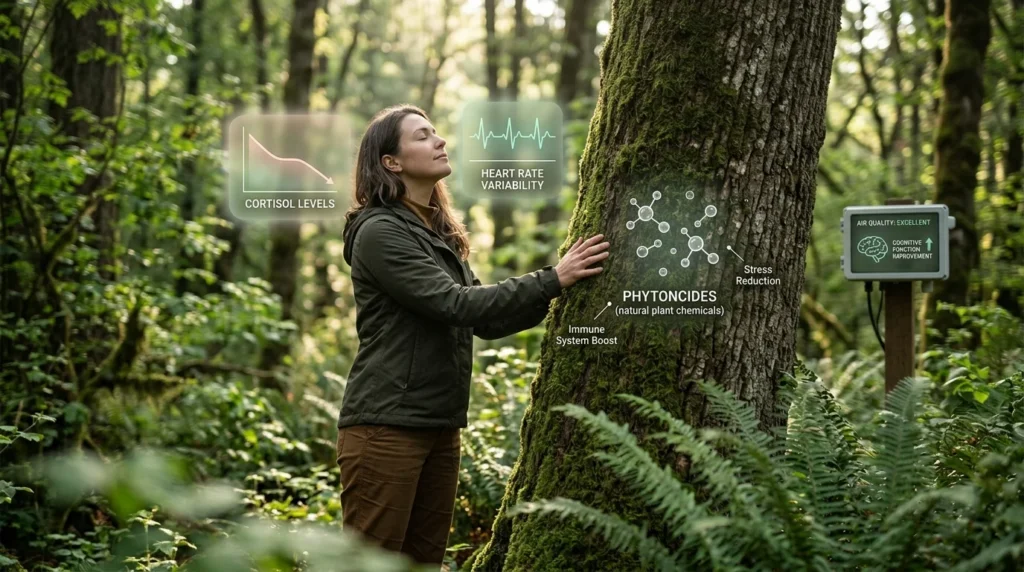
| Reduced Cortisol Levels | Nature exposure lowers stress hormone production, reducing anxiety and blood pressure |
| Enhanced Immune Function | Phytoncides from trees increase natural killer (NK) cell activity, fighting infections |
| Improved Mood Regulation | Sunlight boosts serotonin; green spaces reduce rumination and negative thought patterns |
| Restored Attention Capacity | Natural settings allow directed attention to rest, improving focus and cognitive function |
| Decreased Inflammation | Time in nature lowers inflammatory markers linked to depression and autoimmune diseases |
Major Benefits of Nature Healing
Mental Health Improvements
Studies show that just 20 minutes in nature significantly reduces perceived stress. Nature healing helps manage generalized anxiety disorder, major depression, and post-traumatic stress disorder. It also decreases symptoms of attention deficit hyperactivity disorder in children and adults. Regular nature exposure fosters resilience, emotional regulation, and overall life satisfaction.
Physical Health Gains
Nature healing lowers resting heart rate, reduces muscle tension, and improves cardiovascular health. Patients recovering from surgery heal faster with views of trees versus walls. Time outside increases vitamin D synthesis, which supports bone health and immune defense. Walking in nature improves balance, coordination, and chronic pain management.
Cognitive and Social Benefits
Children who play in natural settings show better concentration and problem-solving skills. Nature healing promotes pro-environmental behavior and social bonding when done in groups. Office workers with window views of greenery report higher productivity and lower burnout rates.
How to Practice Nature Healing
You do not need a forest or a weekend retreat. These simple methods work anywhere:
| Activity | Duration | Expected Outcome |
|---|---|---|
| Mindful walking | 15-30 minutes | Reduced anxiety, improved focus |
| Forest bathing | 2 hours | Lowered cortisol, boosted immunity |
| Gardening | 30 minutes | Elevated mood, mild exercise |
| Outdoor meditation | 10 minutes | Calm nervous system |
| Earthing (barefoot on grass) | 20 minutes | Reduced inflammation, better sleep |
| Birdwatching | 1 hour | Increased mindfulness, joy |
For best results, aim for 120 minutes of nature contact per week, a threshold identified in British health studies as producing significant well-being gains.
Nature Healing in Different Settings
Urban Nature Healing
City dwellers can use public parks, rooftop gardens, indoor plants, and balcony green spaces. Even viewing nature through a window or watching nature videos has measurable benefits, though direct contact is superior.
Wilderness Therapy
Structured programs for at-risk youth or trauma survivors involve multi-day backpacking, camping, and survival skills. These interventions show long-term improvements in self-esteem and behavioral issues.
Horticulture Therapy
Used in hospitals, rehabilitation centers, and nursing homes, planting and tending gardens improves fine motor skills, reduces agitation in dementia patients, and gives a sense of purpose.
Comparing Nature Healing with Conventional Treatments
| Aspect | Nature Healing | Medication/Therapy |
|---|---|---|
| Cost | Low to free | Often expensive |
| Side effects | None (except allergies) | Many possible |
| Accessibility | Requires outdoor access | Widely available |
| Evidence base | Growing, robust | Extensive |
| Best for | Mild to moderate conditions | Severe or acute cases |
Nature healing is not a replacement for emergency medical care or severe psychiatric treatment. However, it serves as an excellent complementary or preventive strategy.
Challenges and Considerations
Seasonal weather, urban noise, physical disabilities, and lack of nearby green space can limit access. Virtual nature experiences (VR forests, nature sound apps) offer partial benefits but lack sensory richness. People with severe allergies or compromised immune systems should consult doctors before extensive outdoor exposure. Additionally, nature healing requires intentional effort; passive presence yields less benefit than active engagement.
Practical Tips for Starting Nature Healing
Start with 10 minutes daily in your yard or a local park. Leave your phone indoors or on airplane mode. Use all five senses: feel the breeze, listen to birds, smell the earth, taste clean air, and observe colors and textures. Try the same path at different times and seasons to deepen connection. Join a walking group or forest bathing guide for accountability. Track your mood before and after to recognize personal benefits.
Future of Nature Healing
Healthcare systems in Japan, Finland, and Canada now prescribe nature time. Urban planners are integrating biophilic design into hospitals, schools, and offices. Research continues on optimal doses, biodiversity levels, and personalized nature prescriptions. As climate change threatens natural spaces, protecting and restoring local ecosystems becomes a public health priority.
Conclusion
Nature healing is not a mystical concept but a measurable, accessible, and powerful tool for modern well-being. From lowering stress hormones to improving immune function and lifting mood, the evidence is clear: time in nature heals. Whether you live in a bustling city or a rural area, small daily doses of green space can transform your mental and physical health. Start today with one mindful minute outside. Your biology already knows the way.
Frequently Asked Questions (FAQs)
Q1: What is nature healing called in medical terms?
A1: It is referred to as ecotherapy, green therapy, or nature-assisted therapy in clinical literature.
Q2: How long does nature healing take to work?
A2: Many people notice reduced stress after 20 minutes. Significant immune and mood changes often appear after 2 hours per week over several weeks.
Q3: Can nature healing replace antidepressants or therapy?
A3: No, it is best used as a complementary practice. Consult your doctor before changing any treatment plan.
Q4: Is walking in a city park as effective as hiking in a forest?
A4: Both help, but forests with diverse plant life and minimal noise pollution show stronger physiological benefits. City parks still outperform indoor environments.
Q5: What if I am disabled or cannot go outside easily?
A5: Indoor plants, nature videos, recorded bird songs, and open windows with garden views provide partial benefits. Some hospitals offer horticulture therapy rooms for limited mobility patients.
Q6: Does nature healing work for children with ADHD?
A6: Yes, multiple studies confirm that green play spaces reduce ADHD symptoms more than indoor or built outdoor environments.
Q7: What is forest bathing exactly?
A7: Shinrin-yoku is a Japanese practice of slow, mindful walking in a forest with focused sensory engagement. No bathing or exercise required.
Q8: Can nature healing help with insomnia?
A8: Yes, morning sunlight exposure helps regulate circadian rhythms. Earthing and fresh air also improve sleep quality.
Q9: Are there any risks to nature healing?
A9: Risks include insect bites, poison ivy, weather exposure, and falls on uneven ground. Basic precautions like bug spray, appropriate clothing, and staying on paths reduce these risks.
Q10: How do I measure my progress with nature healing?
A10: Keep a simple journal rating your stress, energy, and mood on a 1-10 scale before and after each nature session. Wearable devices can track heart rate variability.