Introduction
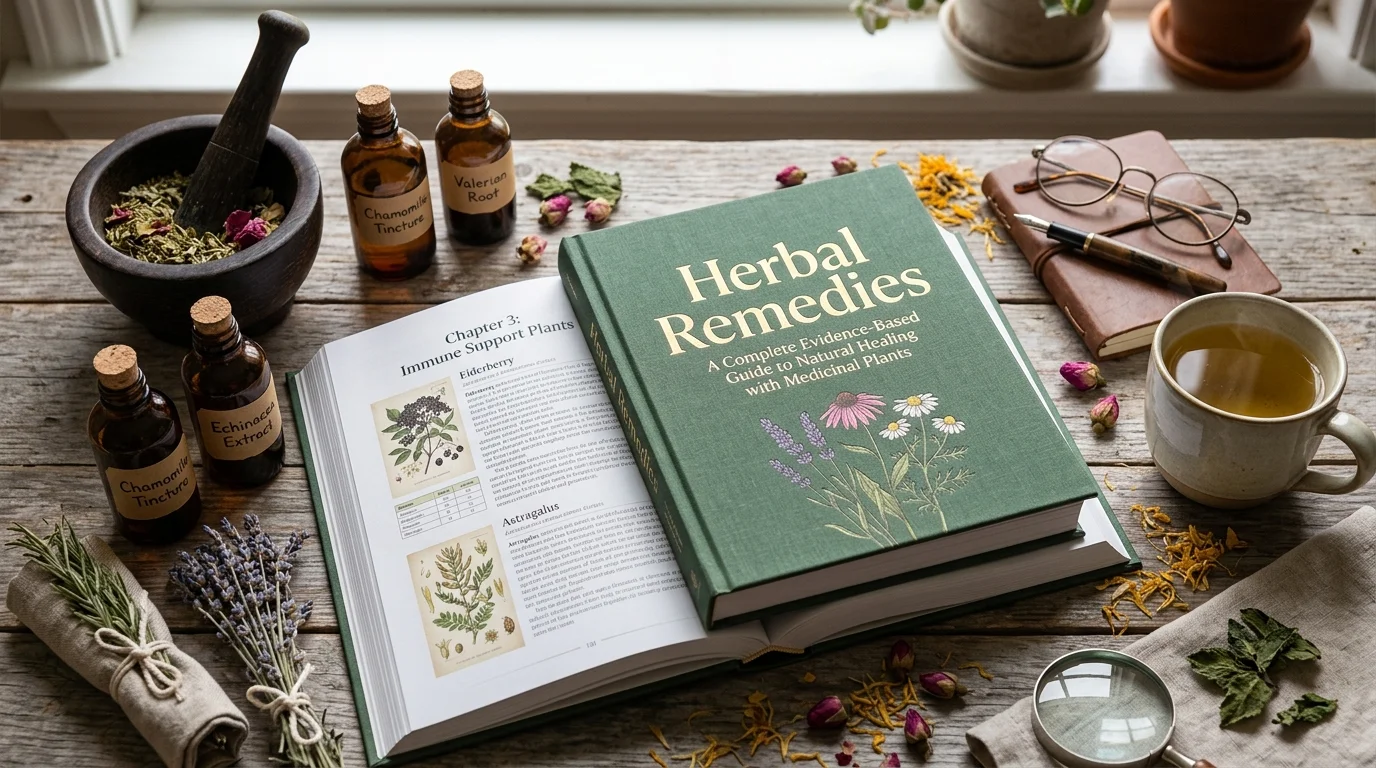
Herbal remedies represent the oldest form of medicine known to humanity, with plants being used for healing purposes across every culture for thousands of years. From traditional Chinese medicine and Ayurveda to European herbalism and Indigenous healing practices, medicinal plants have provided relief for virtually every ailment known to humankind . In an era of rising healthcare costs, increasing pharmaceutical side effects, and growing interest in natural wellness, herbal remedies are experiencing a remarkable resurgence. This comprehensive guide explores the science, safety, preparation methods, and applications of herbal medicine, providing evidence-based information for both beginners and experienced practitioners.
What Are Herbal Remedies?
Herbal remedies are plants or plant parts—including leaves, roots, flowers, seeds, and bark—used for therapeutic purposes to prevent or treat illness, relieve symptoms, boost energy, promote relaxation, or support overall health . Unlike pharmaceutical drugs that typically contain isolated chemical compounds, herbal remedies utilize the complex synergy of multiple bioactive phytochemicals naturally present in plants. These include alkaloids, flavonoids, terpenes, polyphenols, and glycosides that work together to produce therapeutic effects while often reducing the risk of adverse reactions associated with single-compound medications .
The Scientific Basis of Herbal Medicine
Modern research has validated what traditional healers knew intuitively for centuries. Bioactive phytocompounds from medicinal plants interact with human physiological systems through multiple mechanisms:
| Mechanism | Action | Therapeutic Application |
|---|---|---|
| Monoamine modulation | Affects serotonin, dopamine, norepinephrine levels | Depression, anxiety |
| GABAergic activity | Enhances calming neurotransmitter function | Insomnia, stress, anxiety |
| HPA axis regulation | Normalizes stress hormone response | Chronic stress, fatigue |
| Anti-inflammatory action | Reduces cytokine activity | Arthritis, autoimmune conditions |
| Antioxidant effects | Neutralizes free radicals | Cardiovascular health, aging |
| MAO inhibition | Prevents breakdown of mood-regulating chemicals | Depression |
Research has demonstrated that phytochemicals modulate gene expression, immune function, and metabolic pathways across multiple organ systems, contributing to immune, neurological, endocrine, cardiovascular, respiratory, and mental health improvements .
Most Effective Herbal Remedies by Condition
For Anxiety, Depression, and Sleep Disorders
Clinical studies have confirmed the efficacy of several herbs for mental health conditions. These herbs demonstrate anxiolytic, antidepressant, and sedative effects through various mechanisms including modulation of monoaminergic and GABAergic pathways :
| Herb | Primary Use | Mechanism | Evidence Strength |
|---|---|---|---|
| St. John’s Wort (Hypericum perforatum) | Mild to moderate depression | Monoamine reuptake inhibition | Strong |
| Ashwagandha (Withania somnifera) | Anxiety, stress, insomnia | HPA axis regulation | Moderate to strong |
| Valerian (Valeriana officinalis) | Insomnia, sleep quality | GABAergic activity | Moderate |
| Passionflower (Passiflora incarnata) | Generalized anxiety | GABA enhancement | Moderate |
| Saffron (Crocus sativus) | Depression, mood | Serotonergic activity | Moderate |
| Chamomile (Matricaria chamomilla) | Mild anxiety, sleep | GABAergic, anti-inflammatory | Moderate |
For Cardiovascular Health
Cardiovascular diseases remain the leading cause of global mortality, and herbal compounds offer promising therapeutic alternatives with fewer side effects than conventional medications . Bioactive phytocompounds including curcumin, resveratrol, ginsenosides, berberine, quercetin, and catechins have demonstrated pronounced cardioprotective effects by:
- Attenuating oxidative stress and inflammation
- Improving endothelial dysfunction
- Restoring lipid metabolism
- Maintaining mitochondrial integrity
- Enhancing nitric oxide bioavailability
- Regulating calcium signalling and inflammatory pathways
For Digestive Health
Traditional use of herbs for digestive complaints is supported by modern research. Common effective remedies include:
| Herb | Condition | Preparation |
|---|---|---|
| Peppermint (Mentha piperita) | IBS, bloating, indigestion | Tea, enteric-coated capsules |
| Ginger (Zingiber officinale) | Nausea, motion sickness, dyspepsia | Fresh tea, capsules, tincture |
| Fennel (Foeniculum vulgare) | Gas, bloating, colic | Seed tea, chew seeds |
| Chamomile | Indigestion, mild GI inflammation | Tea |
| Milk thistle (Silybum marianum) | Liver support | Standardized extract |
For Immune Support
| Herb | Primary Use | Best Form |
|---|---|---|
| Echinacea (Echinacea purpurea) | Cold prevention and duration reduction | Tincture, tea at first symptoms |
| Elderberry (Sambucus nigra) | Flu symptoms, viral infections | Syrup, extract |
| Garlic (Allium sativum) | Antimicrobial, immune modulation | Raw cloves, aged extract |
| Astragalus (Astragalus membranaceus) | Immune strengthening, prevention | Decoction, tincture |
Common Herbal Preparation Methods
Understanding preparation methods is essential for safe and effective use of herbal remedies :
Teas and Infusions
Best for leaves, flowers, and delicate plant parts. Pour boiling water over 1-2 teaspoons of dried herb per cup, cover, and steep for 5-15 minutes. Strain and drink. Examples include chamomile, peppermint, and nettle.
Decoctions
Used for roots, bark, and seeds which require more extraction time. Simmer 1-2 tablespoons of herb in 2 cups of water for 15-30 minutes. Strain and consume. Examples include ginger root, astragalus, and burdock root.
Tinctures
Herbs soaked in alcohol (vodka or brandy) for 4-6 weeks to extract active compounds. Tinctures are concentrated and have long shelf lives. Standard dosage is 1-2 dropperfuls (30-60 drops) taken 2-3 times daily.
Capsules and Tablets
Convenient for herbs with unpleasant taste or for standardized dosing. Look for “standardized extract” on labels to ensure consistent active ingredient content .
Topical Preparations
Oils, salves, and compresses for skin conditions, muscle pain, or wound healing. Essential oils can be diluted in carrier oils for aromatherapy or massage .
Safety Considerations and Precautions
Natural does not automatically mean safe. Herbal remedies must be used with the same caution as pharmaceutical drugs .
Critical Safety Rules
| Do | Do Not |
|---|---|
| Consult your healthcare provider before starting any herbal regimen | Use herbals without telling your doctor |
| Buy from certified sources (USP Verified, ConsumerLab.com Approved) | Give herbals to children without professional guidance |
| Research potential interactions with your medications | Use herbals if pregnant or breastfeeding without medical approval |
| Start with lowest effective dose | Use herbals before surgery (2 weeks minimum washout) |
| Monitor for side effects and allergic reactions | Assume “natural” guarantees safety |
Known Herb-Drug Interactions
St. John’s Wort can reduce effectiveness of birth control pills, antidepressants, blood thinners, and many other medications by affecting liver enzymes . Kava, while effective for anxiety, has been associated with severe liver damage and carries FDA warnings . Valerian may cause excessive sedation when combined with alcohol or benzodiazepines. Serotonin syndrome is possible when combining serotonergic herbs with antidepressants .
Regulatory Considerations
Herbal remedies are regulated as dietary supplements in most countries, not as medicines. This means:
- They do not require pre-market safety and efficacy testing
- Labels do not need approval before products reach consumers
- Products may contain contaminants or incorrect ingredient amounts
- Quality varies significantly between manufacturers
Always purchase from reputable companies that provide third-party certification (USP, NSF, or ConsumerLab.com) to verify purity and potency.
Building a Home Herbal Apothecary
Start with these versatile, safe herbs for common household needs:
- Chamomile: Calming tea for sleep and digestion
- Peppermint: Digestive aid and headache relief
- Ginger: Nausea and inflammation
- Echinacea: Immune support at cold onset
- Lavender: Stress relief and minor burns
- Calendula: Skin healing salves
- Garlic: Antimicrobial and cardiovascular support
When to Avoid Self-Treatment with Herbs
Seek professional medical care rather than relying solely on herbs for:
- Severe or worsening symptoms
- Unexplained weight loss
- High fever lasting more than 48 hours
- Chest pain or difficulty breathing
- Severe pain
- Blood in stool or vomit
- Signs of infection requiring antibiotics
Frequently Asked Questions (FAQs)
Q1: Are herbal remedies safe for everyone?
A1: No. Pregnant or nursing women, children, elderly individuals, people with liver or kidney disease, and those taking multiple medications should consult a healthcare provider before using herbal remedies .
Q2: How long do herbal remedies take to work?
A2: Effects vary by herb and condition. Acute issues like cold symptoms may respond within hours. Chronic conditions like anxiety or insomnia often require 2-6 weeks of consistent use before full benefits appear.
Q3: Can I take herbal remedies with prescription medications?
A3: Only under medical supervision. Many herbs interact with medications, potentially reducing efficacy or causing toxicity. Always disclose all herbs and supplements to your doctor and pharmacist .
Q4: What is the difference between a tea and a tincture?
A4: Tea is a water-based extraction suitable for delicate plant parts and immediate use. Tincture is an alcohol-based extraction that concentrates active compounds and provides longer shelf life (2-5 years) .
Q5: How do I know if a product is high quality?
A5: Look for “USP Verified,” “ConsumerLab.com Approved,” or “NSF International” seals on labels. Choose products that list Latin binomial names, part of plant used, and standardized extract percentages when applicable .
Q6: Can herbs cause side effects?
A6: Yes. Common side effects include digestive upset, allergic reactions, headaches, and drowsiness. Serious effects like liver damage are rare but possible with specific herbs or adulterated products .
Q7: Are fresh herbs better than dried?
A7: Both have advantages. Fresh herbs contain volatile oils that may degrade during drying. Dried herbs are more concentrated by weight and available year-round. Many traditional preparations specifically call for dried plant material.
Q8: Can I grow my own medicinal herbs?
A8: Yes. Many common herbs like chamomile, peppermint, lavender, calendula, and echinacea grow well in home gardens. Proper identification, harvesting at correct times, and appropriate drying techniques are essential.
Q9: How should I store herbal remedies?
A9: Store dried herbs in airtight glass containers away from light, heat, and moisture. Tinctures in dark glass bottles at room temperature. Most dried herbs maintain potency for 6-12 months; tinctures last 2-5 years.
Q10: Is it safe to give herbal remedies to children?
A10: Generally not without professional guidance. Children’s metabolism differs from adults, and many herbs lack pediatric safety data. Always consult a qualified herbalist or pediatrician first .
Conclusion
Herbal remedies offer a bridge between ancient healing wisdom and modern scientific validation. The growing body of research confirms what traditional practitioners have known for millennia: plants contain powerful therapeutic compounds capable of supporting human health across multiple systems. From cardiovascular protection to mental wellness, digestive health to immune support, medicinal plants provide effective, accessible, and often safer alternatives to synthetic drugs. However, this potential must be balanced with respect for safety. The same bioactive compounds that heal can harm if misused. Quality matters. Dosage matters. Professional guidance matters. When approached with knowledge, respect, and caution, herbal remedies become not just a complement to conventional medicine but a foundational element of true wellness. The future of healthcare increasingly recognizes that nature, properly understood and carefully utilized, holds solutions that laboratories cannot replicate.