Introduction
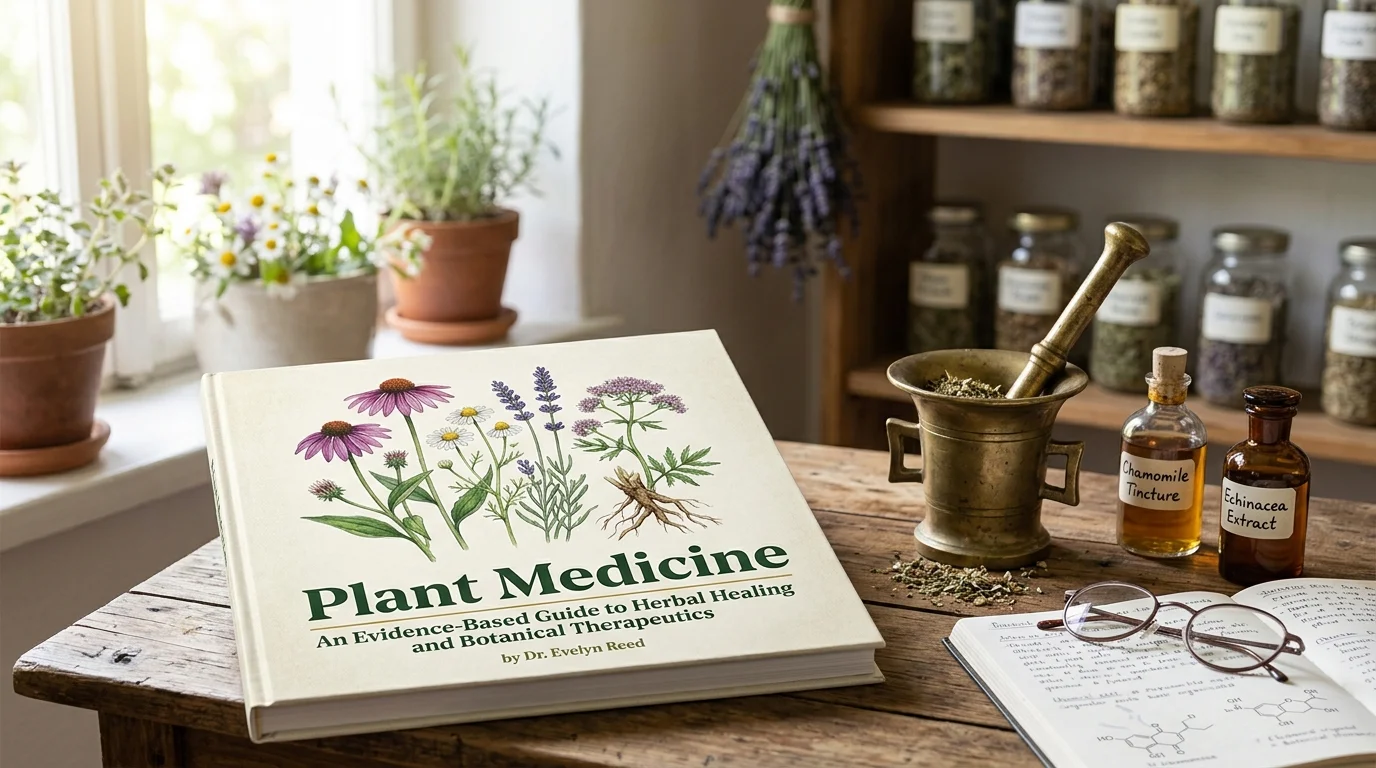
Plant medicine, also known as herbal medicine or phytomedicine, refers to the use of plants or plant-derived compounds for therapeutic purposes to prevent, treat, or manage disease and support overall health and wellness . This ancient healing practice, rooted in traditional knowledge systems worldwide, is experiencing a powerful resurgence as modern science validates what indigenous cultures have understood for millennia: plants contain complex bioactive compounds with remarkable healing properties. Today, approximately 80% of the population in developing countries relies on traditional plant-based remedies for primary healthcare, and the global market for botanical medicines continues to expand rapidly . This comprehensive guide explores the science, safety, applications, and evidence behind plant medicine, providing readers with the knowledge needed to use botanical remedies effectively and responsibly.
What Is Plant Medicine?
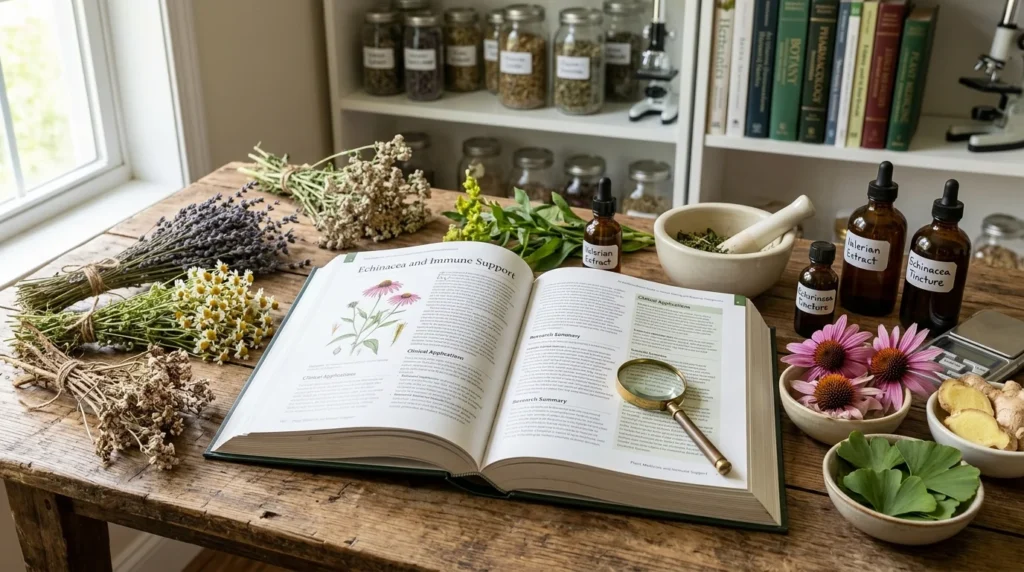
Plant medicine encompasses the therapeutic use of whole plants, plant parts (leaves, roots, flowers, seeds, bark), fungi, and plant extracts to restore health, alleviate symptoms, and prevent disease . Unlike conventional pharmaceuticals that typically isolate single active compounds, plant medicines utilize the synergistic action of multiple phytochemicals—flavonoids, alkaloids, terpenes, phenolic acids, and saponins—that work together to produce therapeutic effects while often reducing the risk of adverse reactions .
Categories of Plant Medicine
| Category | Description | Examples |
|---|---|---|
| Traditional Plant Medicine | Uses whole plants based on centuries of empirical observation | Traditional Chinese Medicine, Ayurveda, Indigenous healing practices |
| Modern Phytomedicine | Standardized plant extracts produced using contemporary scientific methods | Ginkgo biloba extract, St. John’s Wort extract |
| Herbal Supplements | Plant-based products sold as dietary supplements | Capsules, tablets, powders, tinctures |
| Botanical Drugs | Plant-derived compounds approved as pharmaceutical drugs | Digoxin (from foxglove), morphine (from opium poppy) |
Plant medicines can be categorized into four distinct levels of complexity: whole plant extracts, effective fractions (enriched groups of compounds), active ingredient combinations, and isolated pure compounds . Each level has its place in therapeutic practice, with many herbalists arguing that whole plant preparations offer superior safety and efficacy due to the natural synergy between constituents .
The Science Behind Plant Medicine
Bioactive Compounds and Their Mechanisms
Modern phytochemical research has identified thousands of bioactive compounds in medicinal plants, each with specific mechanisms of action:
| Phytochemical Class | Examples | Therapeutic Actions |
|---|---|---|
| Flavonoids | Quercetin, rutin, catechins | Antioxidant, anti-inflammatory, cardioprotective |
| Alkaloids | Berberine, caffeine, morphine | Antimicrobial, metabolic regulation, pain relief |
| Phenolic Acids | Caffeic acid, ferulic acid | Antioxidant, neuroprotective |
| Terpenes | Limonene, menthol, artemisinin | Anti-inflammatory, antimicrobial, antimalarial |
| Saponins | Ginsenosides, ashwagandha glycosides | Immunomodulatory, adaptogenic |
The therapeutic effects of medicinal plants operate through multiple physiological pathways. Research demonstrates that plant-derived compounds modulate oxidative stress, inflammatory signaling, metabolic enzymes, and gene expression . For example, flavonoids exert antioxidant effects by neutralizing free radicals and upregulating endogenous antioxidant defenses, while certain alkaloids interact with neurotransmitter systems to produce antidepressant and anxiolytic effects .
Scientific Evidence for Specific Plant Medicines
Extensive research has validated the therapeutic potential of numerous medicinal plants:
Historical and Cultural Foundations
Plant medicine represents the oldest form of healthcare known to humanity, with archaeological evidence of medicinal plant use dating back over 60,000 years. Every traditional medical system—from Traditional Chinese Medicine (TCM) and Ayurveda to Indigenous healing practices across Africa, the Americas, and Australia—has developed sophisticated pharmacopoeias based on empirical observation passed down through generations .
Traditional Knowledge Systems
Traditional healers have long understood the therapeutic properties of plants through systematic observation and experimentation. For example, species of the genus Hymenaea have been used throughout Latin America to treat respiratory infections, joint pain, inflammation, and gastrointestinal disorders, with preparations including balms and extracts made from leaves, seeds, bark, and resin . Similarly, the genus Cnidoscolus has been traditionally employed to treat conditions ranging from diabetes and cancer to menstrual disorders and inflammation across Mexico, Brazil, and Africa .
The World Health Organization recognizes that traditional plant medicine remains the primary source of healthcare for 75-90% of rural populations in developing countries, highlighting its continued global importance .
Methods of Preparation and Administration
Plant medicines can be prepared and administered in various ways, each suited to different plant parts and therapeutic goals :
| Preparation Method | Description | Best For | Examples |
|---|---|---|---|
| Infusion (Tea) | Steeping plant material in hot water | Leaves, flowers | Chamomile, peppermint |
| Decoction | Simmering plant material in boiling water | Roots, bark, seeds | Ginger, astragalus |
| Tincture | Extracting in alcohol or glycerin | Most plant parts | Echinacea, valerian |
| Capsules/Tablets | Dried, powdered plant material | Standardized dosing | Turmeric, ashwagandha |
| Topical preparations | Oils, salves, creams, poultices | Skin conditions, local pain | Calendula, arnica |
| Powder | Dried, ground plant material | Versatile, can be mixed with food | Moringa, maca |
Traditional preparation methods are documented in ethnobotanical research, showing specific dosage forms and routes of administration for various conditions . For example, in traditional Ethiopian medicine, ginger root is boiled with tea or mixed with milk for respiratory conditions, while garlic is consumed raw or with food for metabolic disorders .
Safety Considerations and Risks
The “Natural Does Not Mean Safe” Principle
One of the most critical concepts in plant medicine is that natural origin does not guarantee safety. Plants contain potent bioactive compounds that can cause toxicity, interact with medications, or produce adverse effects when used improperly .
Documented Risks and Interactions
Who Should Exercise Extra Caution
Certain populations face higher risks when using plant medicines :
- Pregnant or breastfeeding women
- Children (especially under age 2)
- Elderly individuals (over age 65)
- People taking prescription medications (especially blood thinners, antidepressants, diabetes medications)
- Individuals with liver or kidney disease
- Patients scheduled for surgery (many herbs affect bleeding and anesthesia)
Regulatory Status and Quality Concerns
Unlike pharmaceutical drugs, herbal remedies are regulated as dietary supplements in most countries. This means :
- They do not require pre-market safety and efficacy testing
- Labels do not require approval before products reach consumers
- Products may contain contaminants, adulterants, or incorrect ingredient amounts
- Quality varies significantly between manufacturers
Consumers should look for third-party certifications including “USP Verified,” “ConsumerLab.com Approved,” or “NSF International” seals to ensure product quality and purity .
Drug-Herb Interactions: A Critical Concern
Plant medicines can interact with pharmaceutical drugs through two primary mechanisms :
| Interaction Type | Description | Examples |
|---|---|---|
| Pharmacodynamic | Both substances affect the same physiological system | Herbal sedatives plus benzodiazepines → excessive sedation |
| Pharmacokinetic | One substance affects the absorption, distribution, metabolism, or elimination of the other | St. John’s Wort induces liver enzymes → reduces drug levels |
Common Clinically Significant Interactions
Benefits of Plant Medicine
Advantages Over Conventional Pharmaceuticals
| Benefit | Explanation |
|---|---|
| Multi-target effects | Complex phytochemical mixtures address multiple pathways simultaneously |
| Lower side effect profile | Generally better tolerated when used appropriately |
| Accessibility | Often more affordable and available without prescription |
| Historical safety data | Centuries of traditional use provide long-term safety information |
| Whole-person approach | Addresses root causes rather than isolated symptoms |
Specific Therapeutic Applications
Current Research and Future Directions
Recent Scientific Advances
Contemporary research continues to validate and expand our understanding of plant medicines. Recent systematic reviews have documented:
- The antidiabetic, cardioprotective, and antimicrobial activities of plants such as date palm, tomato, fenugreek, and ashwagandha, with key bioactive compounds including flavonoids, phenolic acids, alkaloids, and saponins
- Anti-inflammatory evidence for Hymenaea species through COX/LOX inhibition and cytokine modulation
- Antioxidant, antimicrobial, wound-healing, gastroprotective, and immunomodulatory activities of Noni (Morinda citrifolia)
Research Gaps
Despite promising evidence, significant gaps remain :
- Most studies are in vitro or animal-based; human clinical trials are limited
- Standardization of extracts remains inconsistent across studies
- Long-term safety data are often lacking
- Molecular mechanisms require further elucidation
The WHO and research institutions emphasize that more rigorous clinical studies are necessary to validate traditional uses and support integration into evidence-based healthcare systems .
Practical Guidelines for Safe Use
How to Choose Plant Medicine Products
| Criterion | What to Look For |
|---|---|
| Third-party certification | USP Verified, ConsumerLab.com Approved, NSF International |
| Scientific name | Latin binomial (e.g., Withania somnifera, not just “ashwagandha”) |
| Part used | Specified (root, leaf, flower, etc.) |
| Standardization | Percentage of key active compounds if applicable |
| Expiration date | Current and clearly marked |
| Manufacturer information | Reputable company with contact information |
How to Discuss Plant Medicine with Healthcare Providers
- Inform your doctor and pharmacist about ALL herbs and supplements you use
- Ask about potential interactions with your medications
- Discontinue herbs at least 2 weeks before scheduled surgery
- Never stop prescribed medications without medical supervision
- Report any adverse effects promptly
Frequently Asked Questions (FAQs)
Q1: What is the difference between plant medicine and pharmaceutical drugs?
A1: Plant medicine typically uses whole plants or complex extracts containing multiple bioactive compounds that work synergistically. Pharmaceutical drugs usually contain isolated, synthetic compounds designed to target specific pathways. Plant medicines are generally regulated as dietary supplements, while drugs undergo rigorous FDA approval processes .
Q2: Is plant medicine safe for everyone?
A2: No. While many plant medicines are safe when used appropriately, certain populations (pregnant women, children, elderly, people taking multiple medications) face higher risks. Always consult a healthcare provider before starting any herbal regimen .
Q3: Can I take plant medicines with my prescription medications?
A3: Only under medical supervision. Many herbs interact with prescription drugs. St. John’s Wort, for example, affects liver enzymes that process numerous medications, potentially reducing their effectiveness. Always disclose all herbs to your doctor and pharmacist .
Q4: How do I know if a plant medicine product is high quality?
A4: Look for third-party certification seals (USP Verified, ConsumerLab.com Approved, NSF International) on the label. These indicate the product has been tested for purity, potency, and absence of contaminants. Avoid products making miracle claims or with secret formulas .
Q5: Are fresh plants better than dried or extracted forms?
A5: Each form has advantages. Fresh plants contain volatile compounds that may degrade during drying. Dried plants are more concentrated by weight. Extracts (tinctures, standardized extracts) offer consistent dosing. The best form depends on the specific plant and intended use .
Q6: Can plant medicine cure cancer?
A6: No scientific evidence supports plant medicine as a cure for cancer. Some plant-derived compounds (like paclitaxel from yew trees) are used in chemotherapy, but unproven herbal cancer treatments can delay effective medical care with dangerous consequences. Plant medicines may offer supportive benefits alongside conventional treatment, but never as a replacement .
Q7: How long does plant medicine take to work?
A7: Effects vary widely. Acute conditions like common cold symptoms may respond within hours with appropriate herbs like echinacea. Chronic conditions like anxiety, insomnia, or metabolic issues typically require 2-6 weeks of consistent use before significant benefits appear.
Q8: Can I grow my own medicinal plants?
A8: Yes, many medicinal plants including chamomile, peppermint, calendula, and echinacea grow well in home gardens. However, proper plant identification is critical to avoid toxic look-alikes. Consult regional growing guides and consider taking a course in herbal medicine before home harvesting.
Q9: What should I do if I experience side effects from a plant medicine?
A9: Stop using the product immediately. Contact your healthcare provider or poison control center, especially if symptoms are severe. Bring the product container with you to medical appointments. Report adverse effects to the FDA’s MedWatch program.
Q10: Is plant medicine covered by health insurance?
A10: Generally, no. Plant medicines sold as dietary supplements are typically not covered. However, services from licensed practitioners such as naturopathic doctors or acupuncturists who incorporate plant medicine may have partial coverage depending on your insurance plan.
Conclusion
Plant medicine represents a bridge between ancient healing wisdom and modern scientific validation. The growing body of research confirms that plants contain remarkable therapeutic compounds capable of addressing major global health challenges including diabetes, cardiovascular disease, infectious illness, and mental health disorders . However, this potential must be balanced with rigorous safety awareness. “Natural” does not mean automatically safe, and the same potent compounds that heal can cause harm when misused. Quality matters. Dosage matters. Professional guidance matters. The future of healthcare increasingly recognizes the value of integrating evidence-based plant medicine with conventional approaches—using each where most appropriate. When approached with knowledge, respect, and caution, plant medicines offer powerful tools for healing that neither traditional wisdom nor modern science can afford to ignore.