Introduction
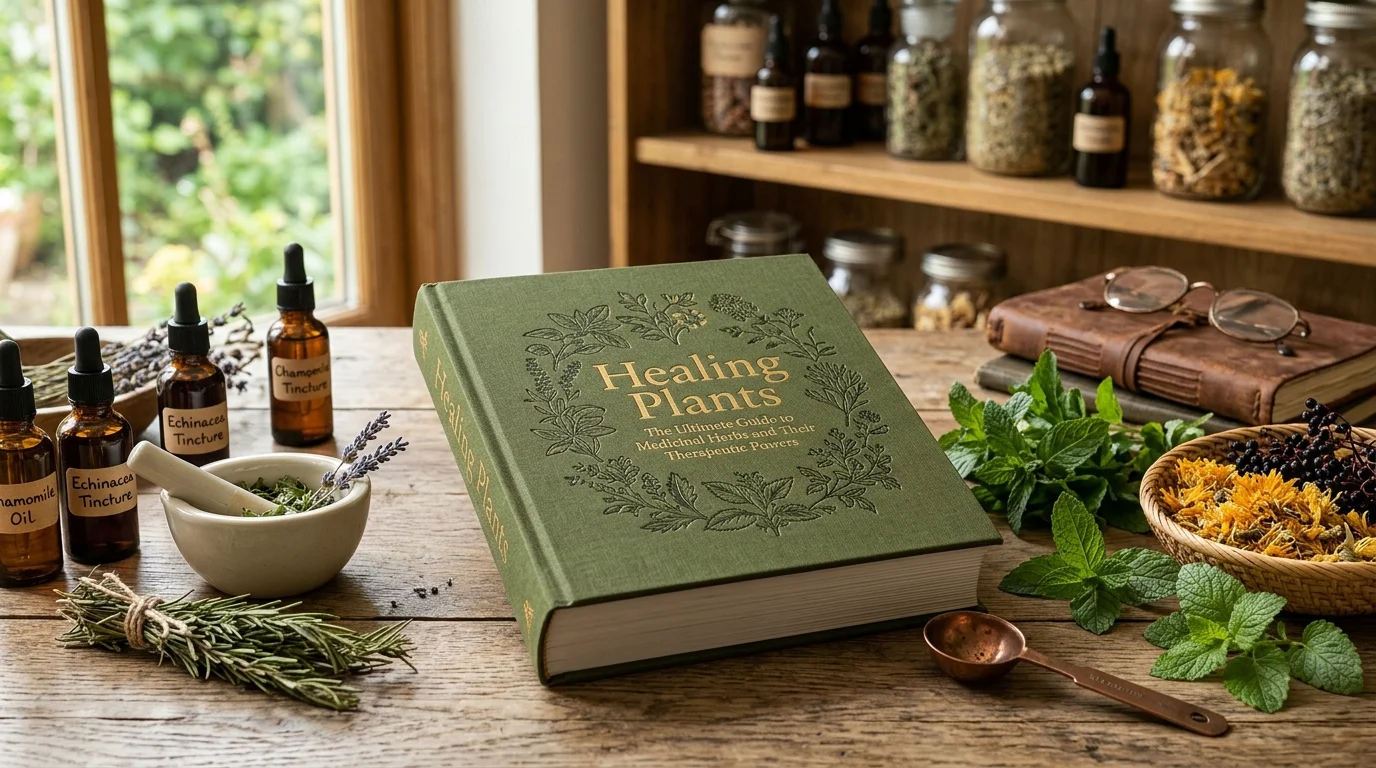
Healing plants have served as humanity’s primary source of medicine for tens of thousands of years, long before the advent of modern pharmaceuticals. Today, despite remarkable advances in synthetic drug development, medicinal plants continue to provide effective, accessible, and often safer alternatives for treating a wide range of health conditions. From the anti-inflammatory power of turmeric to the calming effects of lavender, healing plants offer nature’s pharmacy directly at our fingertips.
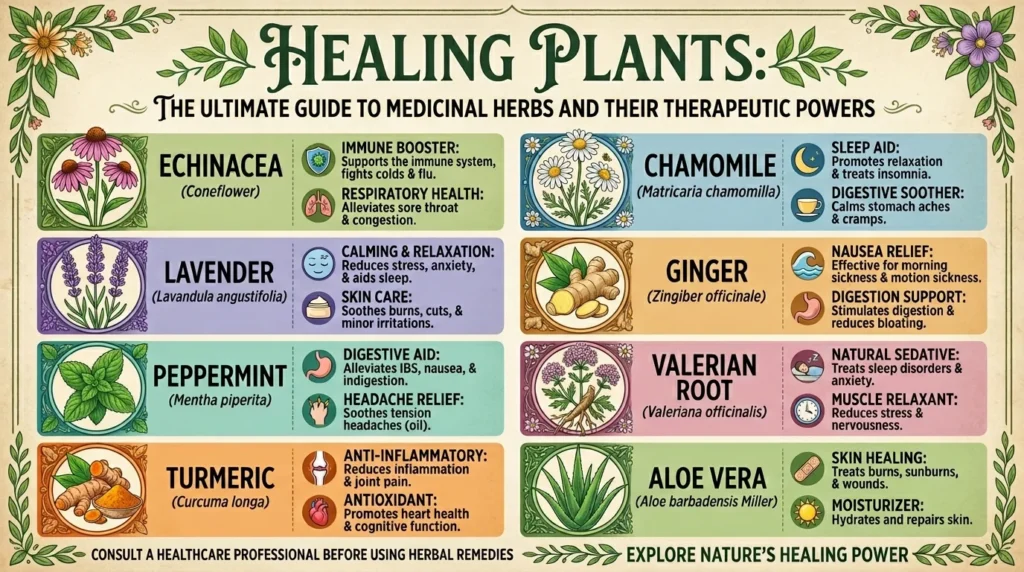
This comprehensive guide explores the most potent healing plants used across traditional medicine systems worldwide, examining their scientific evidence, practical applications, and safety considerations. Whether you are seeking natural remedies for common ailments or wishing to deepen your understanding of botanical medicine, this article provides the essential knowledge you need to harness the therapeutic potential of healing plants.
Table of Contents
| Section | Topic |
|---|---|
| 1 | What Are Healing Plants and How Do They Work |
| 2 | Top 15 Healing Plants and Their Medicinal Uses |
| 3 | Healing Plants by Body System |
| 4 | Methods of Preparing Healing Plants |
| 5 | Scientific Evidence Behind Herbal Medicine |
| 6 | Safety Guidelines for Using Healing Plants |
| 7 | Growing Your Own Healing Plant Garden |
| 8 | Frequently Asked Questions (FAQs) |
| 9 | Conclusion |
1. What Are Healing Plants and How Do They Work
Healing plants, also known as medicinal plants or herbs, are botanical species that contain bioactive compounds capable of preventing, alleviating, or curing diseases. Unlike synthetic pharmaceuticals that typically isolate a single active ingredient, healing plants produce hundreds or thousands of secondary metabolites that work synergistically to produce therapeutic effects with generally fewer side effects.
The primary classes of healing compounds found in plants include alkaloids (nitrogen-containing compounds like caffeine, morphine, and berberine that affect nervous system and metabolism), glycosides (compounds that release active sugars upon hydrolysis, including cardiac glycosides from foxglove), polyphenols (antioxidant-rich compounds including flavonoids, tannins, and lignans that protect against oxidative stress), terpenes (aromatic compounds responsible for essential oil properties, including anti-inflammatory and antimicrobial actions), and mucilage (soluble fibers that soothe mucous membranes and support digestive health).
Healing plants exert their effects through multiple mechanisms simultaneously. A single plant may contain anti-inflammatory, antimicrobial, analgesic, antioxidant, and immunomodulatory compounds that work together to address complex health conditions. This synergy explains why whole-plant extracts often outperform isolated compounds in clinical studies.
2. Top 15 Healing Plants and Their Medicinal Uses
| Healing Plant | Primary Active Compounds | Main Therapeutic Uses | Preparation Methods |
|---|---|---|---|
| Turmeric | Curcuminoids | Inflammation, arthritis, digestive disorders, wound healing | Tea, golden milk, capsules, powder, tincture |
| Ginger | Gingerols, shogaols | Nausea, motion sickness, inflammation, pain, digestive health | Fresh tea, capsules, tincture, powder, compress |
| Garlic | Allicin | Cardiovascular health, immune support, antimicrobial, blood pressure | Raw, aged extract, capsules, oil, honey infusion |
| Echinacea | Alkamides, cichoric acid | Immune stimulation, cold prevention and treatment, wound healing | Tea, tincture, capsules, glycerite |
| Chamomile | Apigenin, bisabolol | Anxiety, insomnia, digestive upset, skin inflammation, menstrual pain | Tea, essential oil, compress, bath soak |
| Peppermint | Menthol, menthone | Irritable bowel syndrome, headaches, respiratory congestion, nausea | Tea, essential oil, capsules, inhaler |
| Lavender | Linalool, linalyl acetate | Anxiety, sleep disorders, depression symptoms, skin healing | Essential oil, tea, sachet, bath salts |
| Milk Thistle | Silymarin | Liver protection, toxin exposure support, cirrhosis, hepatitis | Capsules, tincture, seeds, powder |
| Ashwagandha | Withanolides | Stress, fatigue, cognitive function, adrenal support, vitality | Powder, capsules, tincture, tea |
| Aloe Vera | Acemannan, anthraquinones | Burns, wound healing, constipation, skin hydration | Fresh gel, juice, cream, powder |
| Calendula | Flavonoids, triterpenes | Wound healing, skin irritation, diaper rash, mouth ulcers | Infused oil, salve, tea, compress |
| Valerian | Valerenic acid | Insomnia, nervous tension, anxiety, restlessness | Tea, tincture, capsules, sleep pillow |
| Holy Basil | Eugenol, ursolic acid | Stress adaptation, respiratory health, blood sugar regulation | Tea, capsules, tincture, fresh leaves |
| Elderberry | Anthocyanins, flavonoids | Cold and flu symptoms, immune modulation, sinus congestion | Syrup, tea, gummies, tincture |
| Feverfew | Parthenolide | Migraine prevention, headache reduction, inflammation | Tea, capsules, tincture, fresh leaves |
3. Healing Plants by Body System
Immune System Support – Echinacea stimulates immune cell activity and reduces cold duration when taken at first symptoms. Elderberry inhibits viral replication and reduces flu severity. Garlic enhances natural killer cell activity and reduces infection frequency. Astragalus supports long-term immune function, particularly for recurrent infections. Ginger provides antimicrobial activity against respiratory pathogens.
Digestive System Health – Peppermint oil capsules are clinically effective for irritable bowel syndrome, reducing abdominal pain and bloating. Ginger accelerates gastric emptying and effectively treats nausea from pregnancy, chemotherapy, and motion sickness. Chamomile reduces gas, cramping, and inflammation throughout the digestive tract. Slippery elm coats and soothes irritated mucous membranes in gastritis and esophagitis. Fennel seed reduces colic in infants and flatulence in adults. Licorice root (deglycyrrhizinated form) supports healing of gastric and duodenal ulcers.
Nervous System and Mental Health – St. John’s wort demonstrates efficacy comparable to standard antidepressants for mild to moderate depression, though with significant drug interactions. Lavender oil capsules reduce generalized anxiety disorder symptoms. Ashwagandha lowers cortisol levels and improves stress resilience. Passionflower reduces anxiety and improves sleep quality without morning drowsiness. Lemon balm improves cognitive performance and calmness during stressful situations. Valerian root reduces sleep onset time and improves sleep quality, particularly for people with insomnia.
Cardiovascular System – Garlic reduces blood pressure, total cholesterol, and LDL cholesterol while increasing HDL. Hawthorn berry improves exercise tolerance in heart failure and reduces angina symptoms. Hibiscus tea lowers blood pressure comparable to some prescription medications. Turmeric improves endothelial function and reduces arterial inflammation. Ginger has antiplatelet effects and reduces cardiovascular risk markers.
Respiratory System – Thyme contains thymol, a powerful expectorant and antimicrobial compound effective for bronchitis and whooping cough. Eucalyptus oil opens airways and reduces cough severity. Mullein soothes respiratory mucous membranes and reduces dry cough. Elderflower reduces sinus congestion and fever. Licorice root soothes sore throats and has antitussive properties. Oregano oil provides strong antimicrobial activity against respiratory pathogens.
Skin and Wound Healing – Aloe vera gel accelerates burn healing, reduces pain, and improves skin hydration. Calendula promotes granulation tissue formation and reduces inflammation in wounds, burns, and rashes. Tea tree oil provides broad-spectrum antimicrobial activity for acne, fungal infections, and minor wounds. Witch hazel reduces inflammation and bleeding in hemorrhoids and varicose veins. Plantain leaf draws splinters and reduces insect bite inflammation. Comfrey leaf (topical use only, never internally) speeds bone and soft tissue healing.
Hormonal and Reproductive Health – Vitex (chaste tree berry) normalizes prolactin levels and reduces premenstrual syndrome symptoms. Black cohosh reduces menopausal hot flashes and night sweats. Dong quai supports female reproductive health and menstrual regulation. Maca root improves libido and sexual function in both men and women. Saw palmetto reduces benign prostatic hyperplasia symptoms.
4. Methods of Preparing Healing Plants
The method of preparation significantly affects which compounds are extracted and how effectively they work.
Infusion (Herbal Tea) – Pour boiling water over dried or fresh leaves and flowers, cover, and steep for 5-15 minutes. This method extracts water-soluble compounds including polyphenols, flavonoids, and mucilage. Best for chamomile, peppermint, nettle, lemon balm, and elderflower. Use 1-2 teaspoons dried herb or 2-4 teaspoons fresh herb per cup of water.
Decoction – Simmer harder plant parts (roots, bark, seeds, berries) in boiling water for 15-45 minutes. This longer extraction time releases compounds from tougher cellular structures. Best for ginger, turmeric, burdock root, astragalus, and cinnamon bark. Use 1-2 teaspoons dried root or bark per cup of water.
Tincture – Soak plant material in alcohol (typically 40-60% vodka or brandy) for 4-6 weeks, then strain. Alcohol extracts a broader range of compounds than water, including alkaloids, resins, and many terpenes. Tinctures have a shelf life of 3-5 years or longer. Typical dosage is 1-2 droppersful (30-60 drops) taken in water or juice.
Glycerite – Similar to tincture but using vegetable glycerin instead of alcohol. Glycerin extracts are alcohol-free, making them suitable for children and people avoiding alcohol. Glycerites have a shorter shelf life (1-2 years) and are less potent than alcohol tinctures.
Herbal Oil Infusion – Steep dried herbs in carrier oil (olive, coconut, jojoba) for 2-6 weeks, using sunlight or gentle heat to facilitate extraction. Used for topical preparations including salves, balms, and massage oils. Best for calendula, St. John’s wort, lavender, and comfrey.
Salve or Ointment – Combine herbal oil infusion with beeswax to create a semi-solid preparation for topical application. Salves provide barrier protection while delivering herbal compounds to the skin.
Herbal Syrup – Combine a strong infusion or decoction with honey or sugar, heated to preserve. Useful for cough remedies and medicines for children. Refrigerate and use within 1-2 months.
Poultice and Compress – Apply fresh or rehydrated crushed herbs directly to skin for localized treatment. Compresses use cloth soaked in herbal infusion or decoction. Effective for wounds, insect bites, joint inflammation, and skin infections.
Capsules and Powders – Dried, powdered herbs encapsulated for convenient consumption. Less potent than tinctures but useful for herbs with unpleasant taste or for precise dosing. Powders have slower absorption than liquids.
5. Scientific Evidence Behind Herbal Medicine
Modern research has validated many traditional uses of healing plants. Understanding the evidence level helps distinguish well-supported remedies from speculative ones.
Strong Clinical Evidence Exists For – St. John’s wort for mild to moderate depression (meta-analyses of over 30 clinical trials). Peppermint oil for irritable bowel syndrome (multiple randomized controlled trials). Ginger for pregnancy-induced nausea and vomiting (systematic reviews showing efficacy comparable to vitamin B6). Hawthorn for chronic heart failure (improves symptoms and exercise tolerance). Saw palmetto for mild to moderate benign prostatic hyperplasia (reduces nighttime urination and improves flow rate). Turmeric for osteoarthritis pain (comparable to ibuprofen in some studies). Echinacea for reducing cold duration and severity (modest but statistically significant effects).
Moderate Evidence Supports – Valerian for insomnia (improves sleep quality with consistent use over 2-4 weeks). Milk thistle for liver conditions (improves liver enzymes in alcoholic and viral hepatitis). Elderberry for influenza symptoms (reduces duration by 2-4 days). Ashwagandha for stress and anxiety (reduces cortisol and improves stress scale scores). Feverfew for migraine prevention (reduces attack frequency and severity).
Preliminary Evidence Indicates Potential For – Holy basil for blood sugar regulation. Lemon balm for cognitive improvement in Alzheimer’s disease. Andrographis for upper respiratory infections. Rhodiola for fatigue and stress-related burnout.
Important Limitations of Herbal Research – Many studies have small sample sizes. Standardization varies between products. Funding for herbal research is far less than for pharmaceuticals. Long-term safety data is often limited. Publication bias may favor positive results.
6. Safety Guidelines for Using Healing Plants
While healing plants are generally safer than synthetic drugs, they are not without risks. Follow these essential safety guidelines.
Pregnancy and Breastfeeding – Many healing plants are contraindicated during pregnancy and lactation. Avoid high doses of sage, parsley, pennyroyal, blue cohosh, and black cohosh during pregnancy. Chamomile, ginger, and raspberry leaf are generally considered safe in food amounts but consult your healthcare provider before medicinal use.
Drug Interactions – Healing plants can interact significantly with prescription medications. St. John’s wort reduces efficacy of birth control pills, anticoagulants, antidepressants, immunosuppressants, and many other drugs by inducing liver enzymes. Ginkgo, garlic, ginger, ginseng, and turmeric increase bleeding risk when combined with warfarin, aspirin, or clopidogrel. Licorice root increases potassium loss when taken with diuretics. Always inform your doctor and pharmacist about all herbs you use.
Medical Conditions Requiring Caution – People with liver disease should avoid herbs with potential hepatotoxicity (kava, comfrey, pennyroyal, greater celandine). People with kidney disease should avoid herbs containing nephrotoxic compounds (aristolochic acid herbs, some traditional Chinese medicine blends). People with hormone-sensitive conditions (breast cancer, endometriosis, uterine fibroids) should avoid phytoestrogenic herbs (red clover, black cohosh, soy isoflavones). People scheduled for surgery should discontinue blood-thinning herbs 2 weeks before procedure.
Quality and Sourcing – Purchase healing plants from reputable suppliers who test for heavy metals, pesticides, and microbial contamination. Look for organic certification, GMP certification, and third-party testing seals (USP, NSF, ConsumerLab). Avoid wildcrafted herbs unless you have botanical identification training, as poisonous look-alikes exist. Never harvest from roadsides, industrial sites, or areas with pesticide application.
Appropriate Dosing – Start with low doses and increase gradually. More is not better with healing plants. Follow package directions or consult a qualified herbalist. Children generally require weight-based dosing (approximately one-quarter to one-half of adult dose). Elderly individuals may also require reduced dosing due to slower metabolism.
Adverse Effects to Watch For – Discontinue use and seek medical attention for allergic reactions (rash, hives, difficulty breathing, lip or tongue swelling), severe gastrointestinal symptoms (vomiting, bloody diarrhea, severe abdominal pain), neurological symptoms (severe headache, vision changes, confusion, seizures), or signs of liver injury (yellow skin or eyes, dark urine, severe fatigue, nausea).
7. Growing Your Own Healing Plant Garden
Cultivating your own healing plants provides fresh, free, and high-quality medicine while connecting you directly with nature’s pharmacy.
Beginner-Friendly Healing Plants to Grow – Peppermint (perennial, aggressive spreader, grow in containers). Chamomile (annual, self-seeding, full sun). Calendula (annual, continuous blooms, easy from seed). Lavender (perennial, drought-tolerant, full sun). Lemon balm (perennial, easy to grow, spreads). Thyme (perennial, low-growing, full sun). Sage (perennial, drought-tolerant, full sun). Rosemary (perennial, needs winter protection in cold climates).
Garden Planning Considerations – Assess your growing zone, sunlight availability, soil type, and water access. Most healing plants prefer 6-8 hours of direct sunlight daily. Group plants with similar water needs together. Start with 5-10 plants rather than overwhelming yourself. Allow adequate spacing for mature plant size.
Organic Growing Practices – Build healthy soil with compost and organic matter. Use companion planting to deter pests. Water deeply but infrequently to encourage deep roots. Mulch to suppress weeds and retain moisture. Never use synthetic pesticides or herbicides on medicinal plants, as these chemicals concentrate in the final medicine.
Harvesting Guidelines – Harvest leaves and flowers in the morning after dew evaporates but before heat stress. Harvest roots in autumn after the plant has stored energy. Use clean, sharp tools. Never harvest more than one-third of the plant at once to preserve plant health. Harvest only healthy plants free from disease and pest damage.
Drying and Storage – Dry herbs in a warm, dark, well-ventilated area out of direct sunlight. Hang bundles or lay loose herbs on screens. Herbs are fully dry when stems snap instead of bending. Store completely dry herbs in airtight glass jars away from light and heat. Label with plant name and harvest date. Properly dried and stored herbs retain potency for 6-12 months.
8. Frequently Asked Questions (FAQs)
Q1: Are healing plants safe for children?
A: Many healing plants are safe for children when used appropriately at reduced dosages. Gentle herbs like chamomile, calendula, and lemon balm are suitable for children over age 2. Avoid essential oils (except under expert guidance), strong bitters, and herbs with significant drug interactions. Always consult a pediatrician or pediatric herbalist before treating children.
Q2: Can I take multiple healing plants together?
A: Yes, herbal formulas often combine 3-10 plants for synergistic effects. However, start with single herbs to understand individual responses before combining. Avoid combining multiple herbs that affect the same body system (for example, multiple blood thinners or multiple sedatives) without professional guidance.
Q3: How long does it take for healing plants to work?
A: Onset varies by plant and condition. Acute symptoms (anxiety, nausea, cold symptoms) may respond within hours to 2-3 days. Chronic conditions (insomnia, arthritis, digestive disorders) typically require 2-6 weeks of consistent use. Unlike pharmaceuticals that suppress symptoms, healing plants work with body systems to restore balance, which takes time.
Q4: Are dried healing plants as effective as fresh?
A: Dried plants are often more potent than fresh for certain applications because water removal concentrates compounds. However, volatile oils (menthol, linalool) degrade with drying, so aromatic herbs are best fresh. Roots and barks are almost always used dried. Properly dried and stored herbs retain therapeutic activity for 6-12 months.
Q5: Can healing plants replace my prescription medications?
A: Never discontinue prescription medications without medical supervision, even if you feel better. Some healing plants can replace pharmaceuticals for certain conditions (peppermint oil for IBS, St. John’s wort for mild depression, garlic for mild hypertension), but this decision requires professional guidance. Use healing plants alongside prescribed treatments unless your doctor advises otherwise.
Q6: What is the difference between a healing plant and a poisonous plant?
A: The same chemical compounds that heal in appropriate doses can harm in excessive amounts. The distinction between medicine and poison is often dose-dependent. Some plants (comfrey, kava, ephedra) have narrow therapeutic windows and significant toxicity at slightly higher doses. Never consume any plant unless you have positively identified it and understand its safe dosage range.
Q7: How do I choose quality commercial herbal products?
A: Look for organic certification, GMP certification on the label, Latin binomial name (not just common name), plant part used, extraction ratio, and expiration date. Avoid products with proprietary blends, fillers, or flow agents. Brands with third-party testing (USP, NSF, ConsumerLab Verified) provide additional quality assurance.
Q8: Are essential oils the same as healing plants?
A: Essential oils are highly concentrated extracts of volatile compounds, typically 50-100 times more concentrated than dried herb. Essential oils require significant dilution for safe use (typically 1-5% in carrier oil). Never ingest essential oils except under expert guidance. Healing teas, tinctures, and capsules are generally safer for internal use.
Q9: Can healing plants treat cancer?
A: No healing plant has been proven to cure cancer in humans. Some plants (turmeric, green tea, mistletoe) show anticancer properties in laboratory studies, but human evidence is limited to supportive care (symptom management, treatment side effect reduction). Never use herbs as a substitute for conventional cancer treatment. Inform your oncologist about all herbs you take, as some interfere with chemotherapy.
Q10: How do I learn more about healing plants?
A: Take courses from reputable herbal schools (The Herbal Academy, Chestnut School of Herbal Medicine, Dominion Herbal College). Read evidence-based books (The Herbal Medicine-Maker’s Handbook by James Green, Medical Herbalism by David Hoffmann). Apprentice with an experienced clinical herbalist. Join local herb walks and plant identification groups. Start with 10-20 common plants and learn them deeply before expanding.
9. Conclusion
Healing plants represent one of humanity’s most valuable and accessible health resources. From the backyard garden to the wilderness, medicinal herbs offer effective, affordable, and generally safe treatments for a vast range of common ailments. The resurgence of interest in botanical medicine reflects both dissatisfaction with pharmaceutical side effects and a growing recognition that nature’s pharmacy provides sophisticated, synergistic healing that synthetic single compounds cannot replicate.
Whether you sip chamomile tea for relaxation, apply calendula salve to a minor wound, take elderberry syrup at the first sign of a cold, or work with an herbalist to address chronic health challenges, healing plants can support your wellness journey. The key is education: understanding which plants work for which conditions, how to prepare them properly, and when professional medical care remains necessary.
Your relationship with healing plants can begin today, whether by purchasing a single dried herb from a reputable source, planting seeds in a windowsill pot, or scheduling a consultation with a qualified herbalist. Each small step connects you to an ancient tradition of plant-based healing and empowers you to take greater responsibility for your own health.