Introduction
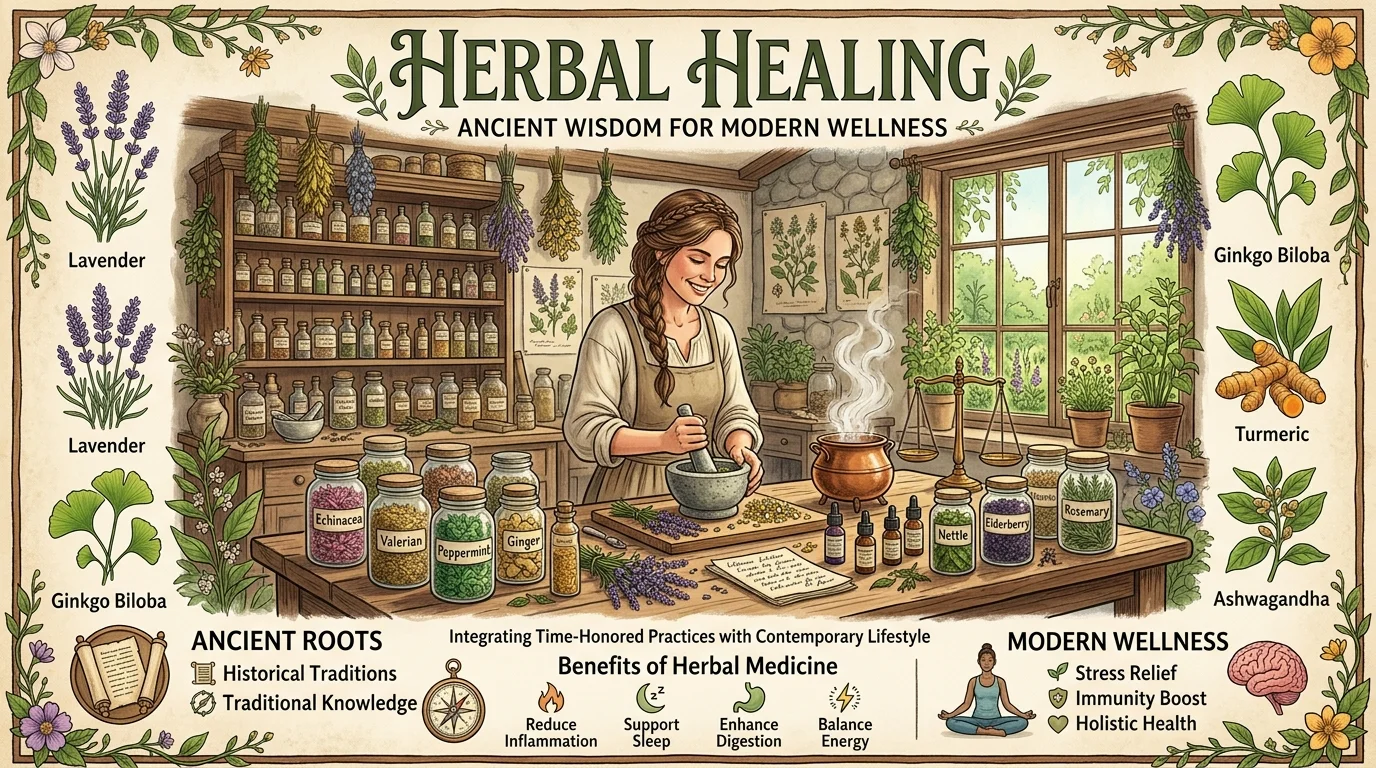
Herbal healing represents one of the oldest and most enduring forms of medicine known to humanity. For thousands of years, cultures across every continent have relied on the therapeutic properties of plants to treat ailments, prevent disease, and maintain overall health. In today’s era of synthetic pharmaceuticals and advanced medical technology, herbal healing is experiencing a remarkable resurgence as people seek natural, holistic alternatives for their healthcare needs.
This comprehensive guide explores the history, science, applications, and benefits of herbal healing, providing you with actionable knowledge to incorporate medicinal plants into your daily wellness routine. Whether you are new to herbalism or looking to deepen your understanding, this article will serve as your essential resource.
Table of Contents
| Section | Topic |
|---|---|
| 1 | What is Herbal Healing? |
| 2 | A Brief History of Herbal Medicine |
| 3 | The Science Behind Herbal Healing |
| 4 | Top 10 Medicinal Herbs and Their Uses |
| 5 | Methods of Herbal Application |
| 6 | Herbal Healing for Common Ailments |
| 7 | Safety Precautions and Contraindications |
| 8 | Growing Your Own Medicinal Herb Garden |
| 9 | Frequently Asked Questions (FAQs) |
| 10 | Conclusion |
1. What is Herbal Healing?
Herbal healing, also known as herbalism or botanical medicine, is the practice of using plants and plant extracts for therapeutic purposes. Unlike conventional pharmaceuticals that often isolate single active compounds, herbal healing embraces the synergistic complexity of whole plants, where multiple constituents work together to produce healing effects with fewer side effects.
The philosophy behind herbal healing is rooted in holism—treating the whole person rather than just addressing isolated symptoms. Herbalists consider physical, emotional, and environmental factors when recommending plant-based remedies, aiming to restore balance and support the body’s innate healing capabilities.
2. A Brief History of Herbal Medicine
The use of medicinal plants predates recorded history. Archaeological evidence suggests that Neanderthals used herbs as early as 60,000 years ago. Ancient Sumerian clay tablets from 5,000 years ago list hundreds of medicinal plants, including thyme, caraway, and licorice.
Traditional Chinese Medicine (TCM), developed over 3,500 years, remains one of the world’s most sophisticated herbal systems, featuring classics like the Shennong Bencao Jing, which documents 365 medicinal herbs. Similarly, India’s Ayurvedic medicine, dating back 5,000 years, utilizes thousands of plants, including turmeric, ashwagandha, and holy basil.
In ancient Egypt, the Ebers Papyrus (1550 BCE) contains over 700 herbal formulas. Greek physician Dioscorides wrote De Materia Medica (60 CE), which served as the definitive Western herbal text for 1,500 years. Indigenous healing traditions across Africa, the Americas, and Australia continue to preserve vast botanical knowledge passed down through generations.
The 19th and 20th centuries saw the rise of pharmaceutical chemistry, which isolated active compounds like morphine (from opium poppy), digoxin (from foxglove), and aspirin (from willow bark). Today, approximately 25% of modern prescription drugs are derived from plants, yet many people are returning to whole-herb approaches for their safety and efficacy.
3. The Science Behind Herbal Healing
Modern research is validating what traditional healers have known for millennia. Plants produce secondary metabolites—compounds not essential for growth but vital for defense against predators, pathogens, and environmental stress. These same compounds exert profound effects on human physiology.
Key classes of bioactive plant compounds include:
Alkaloids: Nitrogen-containing compounds with potent physiological effects (caffeine, berberine, morphine)
Flavonoids: Antioxidant and anti-inflammatory agents (quercetin, catechins, rutin)
Terpenes: Aromatic compounds with diverse therapeutic actions (menthol, limonene, thymol)
Phenols and Polyphenols: Powerful antioxidants and antimicrobials (curcumin, eugenol, rosmarinic acid)
Glycosides: Compounds that release active constituents upon hydrolysis (digoxin, sennosides)
Research demonstrates that herbal extracts often exhibit greater efficacy than isolated compounds due to synergy. For example, the pain-relieving effect of white willow bark (Salix alba) involves not just salicin (the aspirin precursor) but also polyphenols that enhance anti-inflammatory activity while protecting the stomach lining.
Clinical studies have shown promising results for numerous herbs. St. John’s wort (Hypericum perforatum) outperforms placebo and matches standard antidepressants for mild to moderate depression. Echinacea (Echinacea purpurea) reduces cold duration and severity. Ginger (Zingiber officinale) effectively treats nausea, including pregnancy-related morning sickness. Turmeric (Curcuma longa) demonstrates anti-inflammatory effects comparable to ibuprofen in some studies.
4. Top 10 Medicinal Herbs and Their Uses
| Herb | Primary Uses | Active Compounds | Preparation Methods |
|---|---|---|---|
| Turmeric | Inflammation, arthritis, digestive health | Curcuminoids | Tea, capsules, golden milk |
| Ginger | Nausea, motion sickness, inflammation | Gingerols, shogaols | Fresh tea, capsules, tincture |
| Chamomile | Anxiety, insomnia, digestive upset | Apigenin, bisabolol | Tea, essential oil |
| Echinacea | Immune support, cold prevention | Alkamides, cichoric acid | Tea, tincture, capsules |
| Peppermint | IBS, headaches, respiratory congestion | Menthol, menthone | Tea, essential oil, capsules |
| Lavender | Anxiety, sleep disorders, skin healing | Linalool, linalyl acetate | Essential oil, tea, sachets |
| Milk Thistle | Liver protection, detoxification | Silymarin | Capsules, tincture, seeds |
| Ashwagandha | Stress, fatigue, cognitive function | Withanolides | Powder, capsules, tincture |
| Garlic | Cardiovascular health, immunity | Allicin | Raw, aged extract, capsules |
| Valerian | Insomnia, nervous tension | Valerenic acid | Tea, tincture, capsules |
5. Methods of Herbal Application
Herbal remedies can be prepared and consumed in multiple ways, each suited to different herbs and conditions.
Infusions (Herbal Teas): Steeping dried or fresh herbs in hot water for 5-15 minutes. Ideal for leaves and flowers (mint, chamomile, nettle).
Decoctions: Simmering harder plant parts (roots, bark, seeds) in boiling water for 15-45 minutes. Used for ginger, turmeric, burdock root.
Tinctures: Extracting herb constituents using alcohol, glycerin, or vinegar. Alcohol-based tinctures have the longest shelf life (3-5 years) and highest potency.
Capsules and Tablets: Convenient, tasteless option for powdered herbs. Suitable for long-term supplementation.
Topical Preparations: Salves, ointments, compresses, and poultices applied directly to skin for wounds, rashes, joint pain.
Essential Oils: Highly concentrated volatile extracts for aromatherapy and topical use (always dilute with carrier oil).
Herbal Syrups: Infusions or decoctions combined with honey or sugar, useful for coughs and sore throats.
Herbal Vinegars and Oxymels: Herbs extracted in vinegar or vinegar-honey mixtures, offering mineral-rich alternatives to tinctures.
6. Herbal Healing for Common Ailments
Colds and Flu: Echinacea (at first sign of symptoms), elderberry (antiviral, immune-enhancing), peppermint (decongestant), ginger (warming, anti-inflammatory), thyme (antimicrobial, expectorant).
Digestive Issues: Peppermint (IBS, bloating), ginger (nausea, indigestion), chamomile (gas, cramping), fennel (colic, flatulence), slippery elm (heartburn, gastritis).
Anxiety and Stress: Ashwagandha (adaptogen, reduces cortisol), lavender (calming, sedative), lemon balm (mild anxiety relief), passionflower (restlessness, insomnia), holy basil (stress adaptation).
Sleep Disorders: Valerian root (sleep onset, quality), chamomile (mild sedation), California poppy (anxiety with insomnia), hops (sedative, often combined with valerian).
Pain and Inflammation: Turmeric (chronic inflammation, arthritis), white willow bark (headache, back pain), devil’s claw (osteoarthritis), boswellia (inflammatory conditions), capsicum (topical pain relief).
Skin Conditions: Calendula (wound healing, dermatitis), tea tree oil (acne, fungal infections), aloe vera (burns, psoriasis), plantain (insect bites, minor wounds), witch hazel (hemorrhoids, varicose veins).
7. Safety Precautions and Contraindications
While herbs are generally safer than synthetic drugs, they are not without risks. Always observe these precautions:
Pregnancy and Breastfeeding: Many herbs are contraindicated. Avoid high doses of sage, parsley, pennyroyal, and blue cohosh. Consult a trained herbalist or physician.
Medication Interactions: Herbs can interact with prescription drugs. St. John’s wort reduces efficacy of birth control pills, antidepressants, and blood thinners. Ginkgo and garlic increase bleeding risk with anticoagulants. Licorice can worsen potassium loss with diuretics.
Allergies: Individuals allergic to ragweed may react to chamomile, echinacea, and calendula. Test small amounts first.
Surgery: Discontinue blood-thinning herbs (ginkgo, garlic, ginger, ginseng, turmeric) at least two weeks before scheduled surgery.
Quality and Source: Purchase herbs from reputable suppliers. Wildcrafted herbs should be harvested sustainably and correctly identified. Organically grown herbs avoid pesticide residues.
Dosage: More is not better. Follow recommended dosages. Some herbs (comfrey, ephedra, kava) have been associated with liver toxicity when overused.
Children and Elderly: Reduced dosages appropriate for body weight and metabolism. Generally use one-quarter to one-half of adult dose.
8. Growing Your Own Medicinal Herb Garden
Cultivating your own herbs ensures freshness, quality, and cost savings. Start with these easy-to-grow medicinal plants:
Chamomile (Matricaria chamomilla): Annual, self-seeding. Plant in full sun, well-drained soil. Harvest flowers for calming tea.
Peppermint (Mentha piperita): Perennial, invasive. Grow in containers. Harvest leaves before flowering for digestive tea.
Calendula (Calendula officinalis): Annual, continuous blooming. Full sun. Harvest flowers for healing salves and skin rinses.
Lavender (Lavandula angustifolia): Perennial. Requires full sun, dry soil. Harvest flower spikes for anxiety relief and sleep sachets.
Echinacea (Echinacea purpurea): Perennial. Full sun to partial shade. Harvest roots and flowers after three years for immune support.
Thyme (Thymus vulgaris): Perennial. Dry, sunny location. Harvest leaves for antimicrobial tea and cough syrup.
Lemon Balm (Melissa officinalis): Perennial, spreading. Harvest leaves for stress relief and antiviral applications.
9. Frequently Asked Questions (FAQs)
Q1: Is herbal healing safe for everyone?
A: Most herbs are safe when used appropriately, but pregnant women, nursing mothers, young children, elderly individuals, and people with chronic medical conditions should consult a healthcare provider before using herbal remedies. Some herbs interact with prescription medications.
Q2: How long does it take for herbal remedies to work?
A: Onset varies by herb, preparation, and condition. Acute symptoms (colds, anxiety) may respond within hours to days. Chronic conditions (arthritis, insomnia) typically require 2-6 weeks of consistent use. Unlike pharmaceuticals, herbs work gently to restore balance rather than suppress symptoms.
Q3: Can I take herbs alongside prescription medications?
A: Some combinations are safe, while others cause serious interactions. Always inform your doctor and pharmacist about all herbs you take. Never discontinue prescribed medications without medical supervision, even if you feel better with herbs.
Q4: Are fresh herbs better than dried?
A: Both have advantages. Fresh herbs contain volatile oils that degrade with drying, making them superior for aromatic herbs like mint and lemon balm. Dried herbs are more concentrated for roots and barks and have longer shelf life. Properly dried and stored herbs retain potency for 6-12 months.
Q5: How do I choose quality herbal products?
A: Look for organic certification, Good Manufacturing Practices (GMP) seal, third-party testing (USP, NSF, ConsumerLab), and transparent labeling with Latin binomial names, part used, and extraction ratio. Avoid products with proprietary blends that don’t disclose individual ingredient amounts.
Q6: Can herbal healing replace conventional medicine?
A: Herbal healing is best used as complementary to, not a replacement for, conventional medical care. Serious conditions like infections, heart disease, diabetes, and cancer require professional medical diagnosis and treatment. Herbs can support conventional treatment but should not delay or replace evidence-based interventions.
Q7: Are there side effects from herbal remedies?
A: Yes, though typically milder than pharmaceuticals. Ginger may cause heartburn or diarrhea in high doses. Chamomile can cause drowsiness. St. John’s wort causes photosensitivity. Always start with low doses to assess tolerance.
Q8: How should I store dried herbs and tinctures?
A: Store dried herbs in airtight glass containers away from light, heat, and moisture. Properly stored, they last 6-12 months. Tinctures store best in dark glass bottles at room temperature and remain potent for 3-5 years. Refrigerate herbal oils and syrups.
Q9: What is an adaptogen?
A: Adaptogens are herbs that help the body resist physical, chemical, and biological stress. They modulate stress hormone response, support adrenal function, and promote homeostasis. Examples include ashwagandha, rhodiola, ginseng, holy basil, and schisandra.
Q10: Can I overdose on herbs?
A: Yes. Acute overdose of certain herbs (ephedra, lobelia, kava) can be dangerous. Chronic overuse of herbs like comfrey (pyrrolizidine alkaloids) causes liver damage. Always follow recommended dosages and rotate herbs rather than taking the same herb indefinitely.
10. Conclusion
Herbal healing bridges ancient wisdom and modern science, offering accessible, effective, and holistic approaches to health and wellness. From the calming embrace of chamomile tea before bed to the immune-boosting power of echinacea at the first sign of a cold, medicinal plants provide gentle yet profound healing for body, mind, and spirit.
The resurgence of herbalism reflects a growing desire for sustainable, natural healthcare that honors the intricate connection between humans and the plant kingdom. By learning to identify, prepare, and use medicinal herbs responsibly, you reclaim an essential aspect of human heritage while supporting your family’s health naturally.
Remember that herbal healing is a journey, not a destination. Start with a few well-researched herbs, observe their effects on your body, and gradually expand your knowledge. Consult qualified herbalists, reliable books, and peer-reviewed research. And always respect the power of plants—use them with gratitude, wisdom, and caution.