Category: WELLNESS

  •  Alternative Healing: A Complete Guide to Natural and Holistic Therapies

     Alternative Healing: A Complete Guide to Natural and Holistic Therapies

    Table: 8 Major Alternative Healing Modalities Compared

    Therapy NamePrimary MechanismBest ForTypical Session LengthEvidence LevelSafety Profile
    AcupunctureNeedle stimulation of meridiansChronic pain, migraines, anxiety30-60 minutesStrong for painVery safe when sterile
    AyurvedaDosha balancing through diet/herbsDigestive issues, fatigue, skinVariable (consultation + plan)ModerateGood with trained practitioner
    Herbal MedicinePlant compounds acting on body systemsInsomnia, inflammation, immunityOngoing daily useStrong for many herbsDepends on herb
    Energy Healing (Reiki)Hands-on or distance energy transferStress, emotional trauma, relaxation45-75 minutesLimited but growingExtremely safe
    Traditional Chinese MedicineQi flow restoration via multiple methodsHormonal imbalance, chronic illness60-90 minutesModerateGood with qualified TCM doctor
    HomeopathyLike cures like in ultra-dilute dosesAllergies, mild anxiety, teething15-30 minutesControversial/weakVery safe due to dilution
    NaturopathyNatural agents supporting self-healingPrevention, chronic disease, fatigue60 minutes initialModerate for lifestyleGood with licensed ND
    Traditional African MedicineAncestral + herbal + spiritual healingInfectious, mental, and spiritual issuesVariableTraditional evidenceRequires experienced healer

    Introduction

    Modern medicine has achieved remarkable success in treating acute conditions, infections, and surgical emergencies. However, millions of people worldwide continue to seek alternative healing approaches for chronic pain, stress-related disorders, autoimmune conditions, and general wellness. Alternative healing refers to any medical practice that falls outside the scope of conventional Western biomedicine. These systems often have ancient origins, with Traditional Chinese Medicine dating back over 2,500 years and Ayurveda originating in India more than 3,000 years ago. The term complementary medicine is used when these practices are combined with conventional treatment, while alternative medicine describes their use in place of conventional care. This comprehensive guide examines the most researched and widely practiced alternative healing modalities, their proposed mechanisms, evidence base, safety considerations, and practical applications for common health conditions.

    What Is Alternative Healing

    Alternative healing encompasses a diverse range of diagnostic and therapeutic systems that are not typically taught in Western medical schools or widely available in conventional hospitals. Common characteristics unite most alternative healing approaches. First, they emphasize treating the whole person rather than a specific symptom or disease label. Second, they focus on supporting the body’s innate self-healing capacity rather than directly attacking pathogens or abnormal cells. Third, they often incorporate mind-body connections, acknowledging that emotional states influence physical health. Fourth, many alternative systems use natural substances such as herbs, foods, and minerals rather than synthetic pharmaceuticals. Fifth, the therapeutic relationship between practitioner and patient is typically more extended and holistic. Some alternative healing systems are complete medical systems with their own pathology theories and treatment protocols, such as Ayurveda, Traditional Chinese Medicine, naturopathy, and homeopathy. Others are specific techniques like acupuncture, chiropractic, or herbalism that can be integrated into various frameworks.
    The Growing Popularity of Alternative Healing

    The global market for alternative and complementary medicine exceeded 100 billion dollars in 2023 and continues to grow at nearly 20 percent annually. Several factors drive this trend. Rising rates of chronic diseases such as diabetes, arthritis, and autoimmune disorders, which conventional medicine manages but rarely cures, lead patients to seek additional options. Side effects from pharmaceuticals, including opioid addiction and gastrointestinal bleeding from NSAIDs, push individuals toward gentler alternatives. The impersonal nature of modern healthcare, with 10-minute appointments and fragmented specialist care, leaves many feeling unheard. Cultural shifts toward natural and organic lifestyles also support alternative healing. Additionally, internet access allows patients to research treatments independently. Insurance coverage for acupuncture, chiropractic, and naturopathy has expanded significantly in the last decade, making alternative healing more accessible.

    Major Alternative Healing Systems Explained

    Traditional Chinese Medicine (TCM)
    TCM is built on the concept of Qi, or vital energy, flowing through meridians or channels in the body. Health exists when Qi flows smoothly and the opposing forces of yin and yang are balanced. Disease arises from blockages, deficiencies, or excesses of Qi. Diagnosis involves pulse assessment, tongue examination, and detailed questioning. Treatments include acupuncture, herbal formulas, cupping therapy, gua sha (scraping), tui na massage, dietary therapy, and qigong exercises. Acupuncture is the most researched TCM modality, with systematic reviews supporting its use for chronic low back pain, osteoarthritis of the knee, tension headaches, and post-operative nausea.

    Ayurveda
    Ayurveda translates as the science of life. This Indian system classifies individuals into three primary doshas or constitutional types: Vata (air and space), Pitta (fire and water), and Kapha (earth and water). Most people have a combination with one dominant dosha. Health results from maintaining each dosha in its proper balance. Treatment includes dietary modifications specific to dosha, herbal preparations such as ashwagandha and triphala, oil massage (abhyanga), sweating therapies (swedana), purification procedures (panchakarma), and lifestyle routines for sleep, exercise, and digestion. Research supports Ayurvedic approaches for type 2 diabetes, rheumatoid arthritis, and irritable bowel syndrome, though more high-quality trials are needed.

    Naturopathy
    Naturopathy is a distinct healing system that prioritizes prevention and uses natural agents to support the body’s self-healing capacity. Six core principles guide naturopathic practice: first do no harm, the healing power of nature, identify and treat the cause rather than symptoms, doctor as teacher, treat the whole person, and prevention as the highest goal. Licensed naturopathic doctors complete four-year graduate programs and can order lab tests, prescribe certain natural medicines, and in some jurisdictions, prescribe pharmaceuticals. Naturopathic treatments include clinical nutrition, botanical medicine, lifestyle counseling, hydrotherapy, and physical medicine.

    Herbal Medicine
    Herbal medicine, also known as medical herbalism or phytotherapy, uses plant parts such as leaves, roots, flowers, and bark to prevent or treat illness. Unlike pharmaceutical drugs that typically contain a single isolated compound, herbs contain dozens or hundreds of synergistic compounds. St. John’s wort for mild to moderate depression has comparable efficacy to standard antidepressants with fewer side effects. Garlic for hypertension produces modest blood pressure reductions. Echinacea for the common cold reduces duration by approximately 10 to 20 percent if taken at symptom onset. Ginger effectively reduces nausea from pregnancy, surgery, or chemotherapy. Turmeric or curcumin reduces pain and inflammation in osteoarthritis. Herbal medicine requires caution regarding quality, dosing, and drug interactions.

    Energy Healing Modalities
    Energy healing operates on the premise that the human body has an energetic field or biofield that can be manipulated to improve health. Reiki, developed in Japan, involves a practitioner placing hands lightly on or just above the body to channel universal life energy. Therapeutic touch and healing touch are similar Western-developed systems. Qigong combines movement, meditation, and breath control to cultivate and balance internal energy. While the existence of a biofield has not been scientifically proven, randomized trials show that energy healing reduces anxiety and pain in surgical patients and improves quality of life in cancer patients, likely through relaxation and placebo mechanisms.

    Evidence Base for Alternative Healing

    Critics of alternative healing argue that the evidence is weak, based largely on observational studies and small trials. Proponents counter that conventional medicine also lacks strong evidence for many common interventions and that absence of evidence is not evidence of absence. The National Center for Complementary and Integrative Health in the United States has funded rigorous research on many alternative modalities. Acupuncture has the strongest evidence, with multiple high-quality systematic reviews supporting its use for chronic pain conditions. Herbal medicine has strong evidence for specific indications such as St. John’s wort for depression, saw palmetto for benign prostatic hyperplasia, and peppermint oil for irritable bowel syndrome. Mind-body practices including meditation and yoga have strong evidence for reducing anxiety, depression, and chronic pain. Spinal manipulation by chiropractors has moderate evidence for acute low back pain. Homeopathy has failed to show effects beyond placebo in well-controlled trials and remains controversial.

    Integrating Alternative Healing with Conventional Medicine

    The most responsible approach for most patients is integrative medicine, which combines evidence-informed alternative therapies with conventional medical care. This model requires communication between all providers. Patients should inform their primary care physician about all alternative healing practices and supplements. Dangerous interactions can occur, such as bleeding risk when combining ginkgo, garlic, or ginger with blood thinners like warfarin. St. John’s wort reduces the effectiveness of birth control pills, chemotherapy drugs, antiretrovirals for HIV, and transplant anti-rejection medications. Herbal sedatives like valerian and kava can dangerously amplify the effects of anesthesia or benzodiazepines. Conversely, many alternative therapies enhance conventional treatment. Acupuncture reduces chemotherapy-induced nausea. Massage reduces post-surgical pain and anxiety. Meditation reduces blood pressure. Yoga improves quality of life in heart failure patients. The key is integration with full disclosure, not replacement without consultation.

    Safety Considerations and Red Flags

    While alternative healing is generally safe when practiced by qualified practitioners, serious risks exist. Unregulated practitioners may provide incorrect diagnoses, delay effective conventional treatment, or cause direct harm. Red flags include any practitioner who advises stopping prescribed medications without coordinating with your physician, claims to cure all diseases including cancer, charges large upfront fees for long treatment packages, uses unsterilized needles or equipment, sells proprietary secret formulas without ingredient disclosure, or discourages conventional medical tests or emergency care. High-risk groups including pregnant women, children, the elderly, and those with serious conditions like cancer, heart disease, or organ failure should exercise particular caution. For these populations, alternative healing should only supplement, never replace, evidence-based medical care.


    Frequently Asked Questions (FAQs)

    Q1: Is alternative healing scientifically proven?
    Many alternative modalities have scientific support for specific conditions. Acupuncture for pain, herbal medicine for certain indications, and mind-body practices for stress have good evidence. Homeopathy and pure energy healing lack robust evidence beyond placebo.

    Q2: Can I use alternative healing instead of conventional medicine?
    For serious or emergency conditions including heart attack, stroke, infection, trauma, or cancer, never replace conventional care. For chronic conditions like mild anxiety, low back pain, or osteoarthritis, alternative healing may be used first or in combination.

    Q3: How do I find a qualified alternative healing practitioner?
    Look for state or national licensing where available. Acupuncturists should have NCCAOM certification. Naturopathic doctors should graduate from an accredited CNME school. Ask about training, years in practice, and whether they will coordinate with your medical doctor.

    Q4: Does insurance cover alternative healing?
    Coverage varies widely. Acupuncture and chiropractic are most commonly covered. Naturopathy and massage may be covered under certain plans. Herbal medicines, supplements, and energy healing are rarely covered. Check your specific policy before starting.

    Q5: What are the most researched alternative healing methods?
    Acupuncture, herbal medicine, mind-body therapies (meditation, yoga, tai chi), spinal manipulation, and massage therapy have the largest evidence bases.

    Q6: Can alternative healing help with anxiety and depression?
    Yes. Meditation, yoga, acupuncture, and certain herbs like St. John’s wort (for mild depression) and passionflower (for anxiety) have demonstrated benefits. However, severe depression requires conventional medical evaluation.

    Q7: Is herbal medicine safe for long-term use?
    Some herbs are safe for long-term use while others cause liver or kidney damage with prolonged dosing. Work with a trained herbalist or naturopathic doctor who understands herb-drug interactions and appropriate duration.

    Q8: What is the difference between complementary and alternative medicine?
    Complementary medicine is used alongside conventional treatment. Alternative medicine is used instead of conventional treatment. Integrative medicine combines evidence-based complementary therapies with conventional care.

    Q9: Can children use alternative healing?
    Some modalities are safe and effective for children, including acupuncture for certain pains, herbal medicine under expert guidance, and mind-body practices. Pediatric homeopathy is not recommended due to lack of evidence. Always consult a pediatrician first.

    Q10: How much does alternative healing typically cost?
    Initial consultations range from 100 to 400 dollars. Follow-up acupuncture or massage sessions cost 60 to 120 dollars. Herbal supplements cost 20 to 100 dollars monthly. Many practitioners offer sliding scale fees or package discounts.


    Conclusion

    Alternative healing represents a diverse collection of medical traditions and techniques that emphasize whole-person care, natural interventions, and the body’s innate healing capacity. The evidence base varies dramatically across modalities. Acupuncture, herbal medicine, mind-body practices, and certain manual therapies have respectable scientific support for specific conditions. Other modalities such as homeopathy and pure energy healing remain scientifically controversial but may provide benefit through placebo, relaxation, and therapeutic alliance. The most prudent approach for most patients is integrative medicine: using evidence-based alternative therapies alongside conventional medical care while maintaining open communication between all providers. Never delay or replace conventional treatment for serious illness. However, for chronic pain, stress, mild depression, insomnia, and preventive wellness, alternative healing offers valuable tools. Research continues to clarify which practices work, for whom, and under what conditions. As healthcare evolves toward patient-centered, whole-person models, alternative healing will likely play an increasingly important role. The key is informed, cautious, and integrated use guided by quality evidence and qualified practitioners.
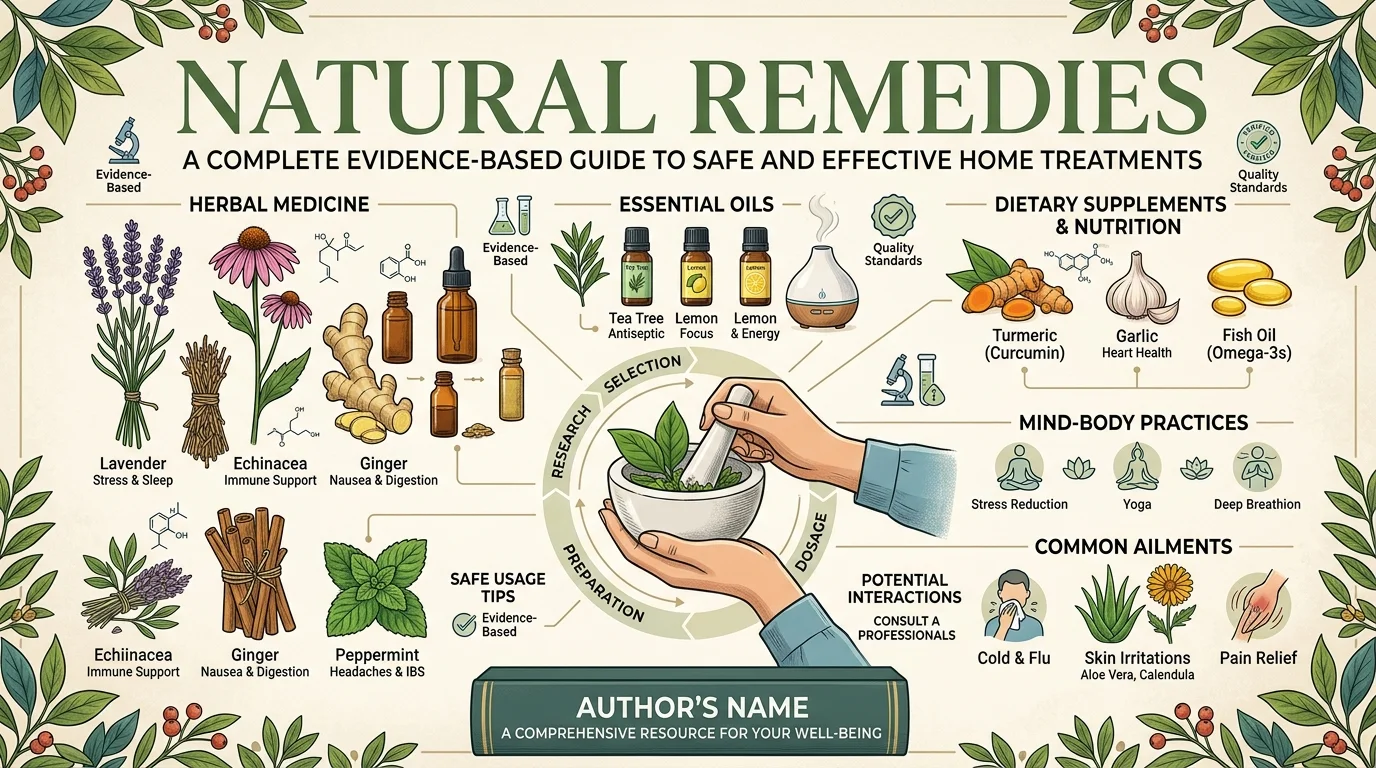
  • Natural Remedies: A Complete Evidence-Based Guide to Safe and Effective Home Treatments

    Natural Remedies: A Complete Evidence-Based Guide to Safe and Effective Home Treatments

    Introduction

    Natural remedies are plant-based or naturally derived treatments used to prevent, manage, or alleviate common health conditions without synthetic pharmaceutical drugs. For centuries, traditional healing systems including Ayurveda, Traditional Chinese Medicine, and Indigenous practices have relied on herbs, spices, and pantry staples to treat everything from nausea and insomnia to wound infections and joint pain. Today, modern science has begun validating many of these traditional uses, demonstrating that certain natural remedies offer genuine therapeutic benefits with fewer side effects than conventional medications. However, the word “natural” does not automatically guarantee safety or efficacy. This comprehensive guide examines evidence-based natural remedies, proper usage methods, safety considerations, and practical applications for common health concerns.

    What Are Natural Remedies?

    Natural remedies are treatments derived from plants, minerals, or other natural sources used for therapeutic purposes. They include herbs, spices, essential oils, foods, and household ingredients like honey, vinegar, and salt. Unlike prescription drugs that typically contain isolated synthetic compounds, natural remedies often consist of multiple bioactive phytochemicals that work synergistically to produce healing effects .

    Natural remedies exist along a spectrum:

    CategoryExamplesRegulation Level
    Whole foodsGinger, turmeric, garlic, honeyMinimal
    Herbal supplementsCapsules, tinctures, standardized extractsDietary supplement regulation
    Essential oilsLavender, peppermint, eucalyptus oilLimited oversight
    Traditional preparationsTeas, decoctions, poulticesUnregulated

    It is critical to understand that “natural” has no legal definition on product labels. Unlike pharmaceutical drugs, most natural remedies and supplements do not require FDA approval or pre-market safety testing . This means products may not contain what the label claims, may be contaminated, and may not have been tested for effectiveness.

    Evidence-Based Natural Remedies

    The following remedies have been studied in clinical trials and demonstrate genuine therapeutic effects for specific conditions.

    Ginger for Nausea and Inflammation

    Ginger (Zingiber officinale) has been used for centuries in Ayurvedic and Traditional Chinese Medicine, and modern research strongly supports its effectiveness. Multiple studies have found that ginger significantly reduces nausea, particularly in pregnancy (morning sickness), post-surgery recovery, and chemotherapy-induced nausea .

    ConditionEvidence StrengthRecommended FormTypical Dose
    Morning sicknessStrongTea, capsules250-1000 mg daily
    Post-chemotherapy nauseaModerateCapsules0.5-1.0 g before treatment
    Muscle pain from exerciseModerateFresh or powdered2 grams daily for 10 days

    Beyond nausea relief, ginger contains anti-inflammatory compounds called gingerols and shogaols. A study published in the Journal of Pain found that individuals who consumed two grams of raw ginger daily for 11 days experienced a 25 percent greater reduction in post-workout muscle pain compared to those who did not take ginger . Ginger works differently than nonsteroidal anti-inflammatory drugs (NSAIDs) by blocking the formation of specific inflammatory compounds without the gastrointestinal risks associated with medications like ibuprofen .

    How to use: Fresh ginger tea (grate half an inch of raw ginger, steep in boiling water for 5-10 minutes), ginger capsules (250-1000 mg), or grated into meals. For nausea relief during pregnancy, consult a healthcare provider before use.

    Turmeric (Curcumin) for Joint Pain and Inflammation

    Turmeric (Curcuma longa) contains curcumin, a polyphenol with powerful anti-inflammatory and antioxidant properties. Several clinical studies have demonstrated that curcumin supplements are as effective as NSAIDs like ibuprofen for reducing arthritis symptoms .

    Study FindingComparisonResult
    Knee osteoarthritis500 mg curcumin vs 50 mg diclofenac sodiumCurcumin equally effective
    Arthritis painCurcumin vs ibuprofenComparable pain reduction
    Inflammatory markersCurcumin supplementationSignificant reduction in CRP

    The amount of curcumin in raw turmeric is only 2-3 percent by weight, so supplements standardized to 95 percent curcuminoids are more effective for therapeutic purposes. Importantly, curcumin absorption is poor unless consumed with black pepper, which contains piperine that increases bioavailability by up to 2000 percent .

    How to use: Add turmeric to meals with a pinch of black pepper, take curcumin supplements standardized to 95 percent curcuminoids (500 mg twice daily), or prepare golden milk with turmeric, black pepper, and plant-based milk. Noticeable benefits typically appear after 4-8 weeks of consistent use .

    Peppermint Oil for Digestive Disorders

    Peppermint oil has muscle-relaxing properties that effectively soothe the gastrointestinal tract. Clinical trials consistently show that enteric-coated peppermint oil capsules significantly reduce symptoms of irritable bowel syndrome (IBS), including bloating, cramping, abdominal pain, and gas .

    ConditionEvidence QualityEffect
    Irritable Bowel SyndromeStrong (superior to placebo)Reduces abdominal pain and bloating
    Functional dyspepsiaModerateImproves indigestion symptoms
    Post-operative nauseaPreliminaryReduces nausea when inhaled

    Peppermint activates an anti-pain channel in the colon, reducing inflammatory pain in the digestive tract. This mechanism likely explains its particular effectiveness for IBS .

    How to use: Enteric-coated peppermint oil capsules (to prevent heartburn and ensure delivery to the intestines) at standard doses of 0.2-0.4 mL three times daily. Peppermint tea after meals can also provide mild digestive relief.

    Honey for Cough and Sore Throat

    Raw honey has natural antimicrobial, antibacterial, and antioxidant properties. Studies have shown that honey can be more effective than some over-the-counter cough medications, particularly for children over age one .

    ComparisonFinding
    Honey vs dextromethorphanHoney equally or more effective for nocturnal cough
    Honey vs diphenhydramineHoney superior for cough frequency and severity
    Honey vs no treatmentSignificant improvement in cough symptoms

    Dr. Mike Varshavski, a board-certified family physician, notes that “honey for nighttime cough performed as well or better than over-the-counter cough suppressants. It is natural, tastes good, and it works” .

    Important safety note: Honey should never be given to infants under one year of age due to the risk of infant botulism (floppy baby syndrome) caused by Clostridium botulinum spores .

    How to use: One teaspoon of raw honey straight or mixed into warm water, tea, or lemon water. For nighttime cough, take before bed. Manuka honey and darker varieties like buckwheat honey may have stronger antibacterial properties .

    Lavender for Anxiety and Stress

    Lavender (Lavandula angustifolia) is more than a pleasant scent. Clinical studies have demonstrated that lavender, particularly in the form of standardized oral supplements like Silexan, effectively reduces generalized anxiety disorder symptoms without the sedative and dependency risks of benzodiazepines .

    FormEvidenceUse Case
    Oral supplement (Silexan)StrongGeneralized anxiety disorder
    Aromatherapy (inhalation)ModerateAcute stress, sleep improvement
    Topical (diluted oil)PreliminaryMigraine, tension headache

    A study found that lavender inhalation helped reduce migraine attacks, lower anxiety and restlessness, and improve memory function under stress .

    How to use: Diffuse lavender essential oil in a room, add 5-10 drops to a warm bath, dilute with carrier oil for massage, or take standardized lavender oil capsules (80 mg daily) under medical supervision. Always dilute essential oils before skin application.

    Cranberry for Urinary Tract Infections

    Cranberry products have demonstrated effectiveness in preventing recurrent urinary tract infections (UTIs), particularly in women. The active compounds, proanthocyanidins (PACs), prevent bacteria—especially E. coli—from adhering to the bladder wall .

    FindingEvidence
    UTI prevention in women with recurrent UTIsModerate effect
    Mechanism confirmedPACs prevent bacterial adhesion
    Effective dose36 mg soluble PACs daily

    Dr. Rena Malik, a board-certified urologist, explains: “The cranberry itself has an active ingredient called proanthocyanidins. What it does is it sticks to bacteria in the bladder so that it prevents it from sticking to the bladder wall. You need to get supplements that have 36 mg of soluble proanthocyanidins or 100 percent cranberry juice and take it daily” .

    Important note: While the Tulane University PharmWiki indicates that some reviews found cranberry not superior to placebo, the weight of evidence supports its use for prevention in specific populations, not for treatment of active infections . Cranberry does not cure existing UTIs—antibiotics are required for active infection.

    Melatonin for Sleep Disorders

    Melatonin is a hormone naturally produced by the pineal gland to regulate circadian rhythms. Supplemental melatonin has been extensively studied for various sleep disorders .

    ConditionEvidenceRecommended Dose
    Jet lagStrong0.5-5 mg at destination bedtime
    Delayed sleep phase syndromeModerate0.5-3 mg 1-2 hours before desired bedtime
    Insomnia (short-term)Moderate0.5-3 mg 30-60 minutes before bed

    The effect size for melatonin is modest but clinically useful. It is particularly effective when used short-term to re-establish healthy sleep cycles after travel or schedule changes .

    How to use: Start with the lowest effective dose (0.5-1 mg) 30-60 minutes before bedtime. Higher doses (3-5 mg) do not necessarily work better and may cause morning grogginess.

    Vinegar for Skin and Foot Conditions

    White vinegar has antimicrobial and antifungal properties that make it useful for several common conditions. Diluted vinegar can be used to clean wounds, treat foot fungus, address dandruff, and manage smelly feet .

    ConditionPreparationApplication
    Athlete’s foot1 part vinegar to 3 parts waterSoak feet 15 minutes daily
    Dandruff1:3 dilutionRinse hair after shampooing
    Minor wound cleaning1:3 dilutionCleanse area gently
    Sunburn reliefCool vinegar solutionApply with soft cloth

    Dr. Abigail Waldman, a dermatologist, states: “White vinegar can be diluted 1:3 with water and it has antimicrobial and antifungal effects. It can be used to clean wounds, for smelly feet, for foot fungus, and even for dandruff” .

    Clove Oil for Dental Pain

    Clove oil contains eugenol, a compound with natural numbing and antiseptic properties. It provides temporary relief for toothaches and dental pain until professional care is available .

    How to use: Dab a small amount of clove oil on a cotton swab and apply directly to the painful tooth and surrounding gum. Do not swallow. Clove oil provides temporary pain relief but is not a substitute for dental treatment.

    Additional Evidence-Based Remedies

    RemedyConditionEvidenceNotes
    Capsaicin (chili peppers)Topical pain reliefModerateWorks by desensitizing pain receptors
    Eucalyptus oilPain, congestionPreliminaryMay trigger asthma in sensitive individuals
    Magnesium-rich foodsMuscle cramps, sleepStrong (for deficiency)Spinach, almonds, avocados, dark chocolate
    KiwiSleep qualityModerateTwo kiwis one hour before bedtime
    Tart cherry juiceJet lag, sleepModerateNatural source of melatonin

    Natural Remedies That May Not Work

    Not all traditional remedies withstand scientific scrutiny. Several commonly used natural products have failed to demonstrate superiority over placebo in rigorous clinical trials .

    SupplementClaimScientific Finding
    EchinaceaCold prevention and treatmentNot superior to placebo
    Ginkgo bilobaMemory, dementiaNot superior to placebo
    GinsengMental performance, immunityNot superior to placebo
    Glucosamine/chondroitinJoint health, arthritisNot superior to placebo
    Saw palmettoBenign prostatic hyperplasiaNot superior to placebo
    St. John’s WortDepressionPossibly effective but significant drug interactions

    Critical Safety Considerations

    Natural does not equal safe. This is the most important principle of natural remedy use .

    Herb-Drug Interactions

    HerbDangerous InteractionEffect
    St. John’s WortBirth control pills, antidepressants, blood thinnersReduces drug effectiveness
    Garlic (high dose)Warfarin, antiplatelet drugsIncreased bleeding risk
    Ginkgo bilobaBlood thinners, NSAIDsIncreased bleeding risk
    KavaAlcohol, sedativesLiver damage, excessive sedation
    St. John’s WortCyclosporine (transplant patients)Organ rejection risk

    Toxic and Dangerous Natural Products

    Some “natural” products are directly harmful:

    • Ephedra (Ma-huang) : Banned by the FDA due to cardiovascular and central nervous system complications, including deaths 
    • Foxglove (Digitalis) : Contains heart medication but the whole plant is deadly if consumed directly 
    • Kava : Associated with severe liver damage; FDA warnings issued 

    Regulatory Gaps

    Unlike prescription medications, most natural remedies and supplements are not FDA-approved before market entry. The FDA does not check most supplements for :

    • Accurate ingredient labeling
    • Absence of contaminants
    • Safety or effectiveness

    What this means: Products may contain different ingredients than stated, incorrect doses, or contaminants including heavy metals and undeclared pharmaceutical drugs.

    Natural Lifestyle Interventions

    Some of the most effective “natural remedies” are not pills or potions at all but lifestyle practices supported by decades of research .

    InterventionHealth BenefitsEvidence Quality
    Social connectionLower mortality, reduced depressionVery strong
    Time in nature (2+ hours weekly)Improved well-being, lower stressStrong
    Regular exerciseReduced anxiety, heart health, weight managementVery strong
    Adequate sleep (7-9 hours)Immune function, mental health, metabolic healthVery strong
    Mindfulness and meditationLower blood pressure, improved sleep, pain reductionStrong
    Healthy whole-food dietDisease prevention, energy, moodVery strong

    When to See a Doctor

    Natural remedies are appropriate for mild, self-limiting conditions. Seek professional medical care for:

    • Severe or worsening symptoms
    • High fever (over 101.5°F or 38.6°C for more than 48 hours)
    • Chest pain or difficulty breathing
    • Signs of infection requiring antibiotics
    • Blood in stool, urine, or vomit
    • Unexplained weight loss
    • Any symptom that persists beyond 7-10 days

    Frequently Asked Questions (FAQs)

    Q1: Are natural remedies safe for everyone?
    A1: No. Natural remedies can be unsafe for pregnant women, children, elderly individuals, people with liver or kidney disease, and those taking multiple medications. Always consult a healthcare provider before starting any new natural remedy, especially if you have underlying health conditions .

    Q2: Can I take natural remedies with my prescription medications?
    A2: Only under medical supervision. Many herbs interact with prescription drugs. St. John’s Wort, for example, reduces the effectiveness of birth control pills, antidepressants, and blood thinners. Garlic and ginkgo increase bleeding risk when combined with warfarin. Always disclose all natural remedies to your doctor and pharmacist .

    Q3: How do I know if a natural remedy product is high quality?
    A3: Look for third-party certification seals including USP Verified, ConsumerLab.com Approved, or NSF International. These indicate the product has been tested for purity, potency, and absence of contaminants. Avoid products that make miracle claims or have secret formulas .

    Q4: How long do natural remedies take to work?
    A4: Effects vary. Acute issues like nausea from ginger may respond within 30-60 minutes. Chronic conditions like arthritis pain with turmeric may require 4-8 weeks of consistent use before noticeable benefits appear. Sleep improvements with melatonin may occur within days .

    Q5: Can natural remedies cure serious diseases like cancer or diabetes?
    A5: No. There is no scientific evidence that any natural remedy alone cures cancer, diabetes, heart disease, or other serious conditions. Some natural remedies may support conventional treatment or help manage symptoms, but they should never replace prescribed medical care. Delaying effective treatment can have dangerous consequences .

    Q6: Is honey safe for infants?
    A6: No. Honey should never be given to infants under one year of age due to the risk of infant botulism, a potentially fatal condition caused by Clostridium botulinum spores that can be present in honey. This condition is known as “floppy baby syndrome” .

    Q7: What is the difference between a natural remedy and a pharmaceutical drug?
    A7: Pharmaceutical drugs contain isolated, purified active compounds that have undergone rigorous FDA testing for safety and efficacy. Natural remedies typically contain multiple compounds in varying concentrations and are not FDA-approved before market entry. However, many pharmaceutical drugs were originally derived from plants, including aspirin (willow bark), morphine (opium poppy), and digoxin (foxglove) .

    Q8: Are essential oils safe to ingest?
    A8: Generally no. Most essential oils should not be taken internally. They are highly concentrated and can cause serious toxicity, including chemical burns to the mouth and digestive tract, liver damage, and neurological symptoms. Essential oils are intended for aromatherapy or topical use with proper dilution, not ingestion .

    Q9: What natural remedy is best for immediate nausea relief?
    A9: Inhaling an alcohol wipe has been shown in clinical settings to provide rapid nausea relief within minutes through olfactory distraction. This technique is used in emergency departments and post-surgery recovery. Ginger tea or capsules are also effective, though they take 30-60 minutes to work .

    Q10: Where can I find reliable information about natural remedies?
    A10: Trusted sources include the National Center for Complementary and Integrative Health (NCCIH), Mayo Clinic, and peer-reviewed medical journals. Be skeptical of information from social media influencers, product sellers, or websites that do not cite scientific sources.

    Conclusion

    Natural remedies offer genuine benefits for many common health conditions when used appropriately and with proper knowledge. Ginger effectively reduces nausea, turmeric matches ibuprofen for arthritis pain, peppermint oil relieves IBS symptoms, and honey outperforms over-the-counter cough suppressants. However, the belief that “natural” automatically means “safe” is dangerous and false. St. John’s Wort interferes with dozens of medications. Ephedra has caused deaths. Even seemingly harmless supplements can be contaminated or mislabeled. The safest and most effective natural treatments are often not pills or potions at all but lifestyle practices: social connection, time in nature, regular exercise, adequate sleep, and whole-food nutrition. Before starting any natural remedy, consult your healthcare provider, research the evidence, choose quality products, and remember that natural and safe are not synonyms.

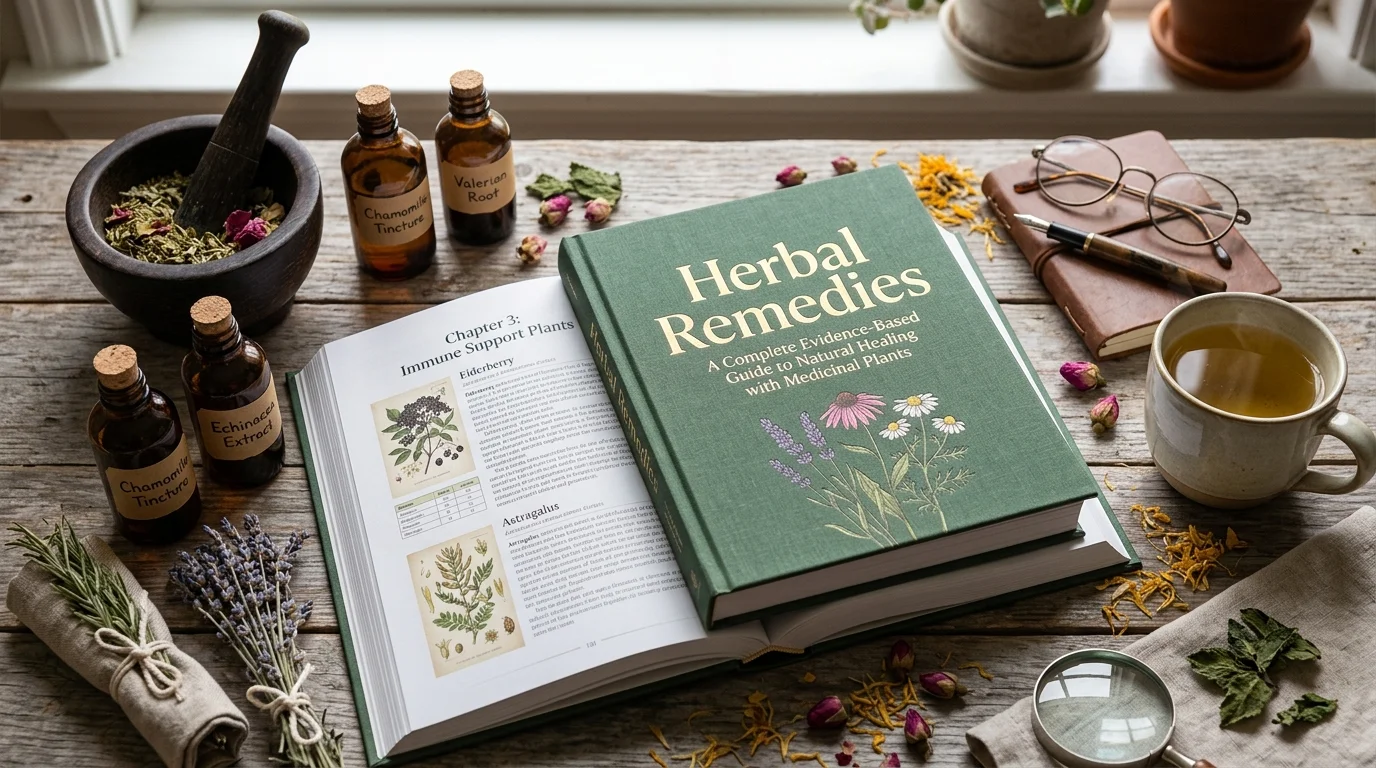
  • Herbal Remedies: A Complete Evidence-Based Guide to Natural Healing with Medicinal Plants

    Herbal Remedies: A Complete Evidence-Based Guide to Natural Healing with Medicinal Plants

    Introduction

    Herbal remedies represent the oldest form of medicine known to humanity, with plants being used for healing purposes across every culture for thousands of years. From traditional Chinese medicine and Ayurveda to European herbalism and Indigenous healing practices, medicinal plants have provided relief for virtually every ailment known to humankind . In an era of rising healthcare costs, increasing pharmaceutical side effects, and growing interest in natural wellness, herbal remedies are experiencing a remarkable resurgence. This comprehensive guide explores the science, safety, preparation methods, and applications of herbal medicine, providing evidence-based information for both beginners and experienced practitioners.

    What Are Herbal Remedies?

    Herbal remedies are plants or plant parts—including leaves, roots, flowers, seeds, and bark—used for therapeutic purposes to prevent or treat illness, relieve symptoms, boost energy, promote relaxation, or support overall health . Unlike pharmaceutical drugs that typically contain isolated chemical compounds, herbal remedies utilize the complex synergy of multiple bioactive phytochemicals naturally present in plants. These include alkaloids, flavonoids, terpenes, polyphenols, and glycosides that work together to produce therapeutic effects while often reducing the risk of adverse reactions associated with single-compound medications .

    The Scientific Basis of Herbal Medicine

    Modern research has validated what traditional healers knew intuitively for centuries. Bioactive phytocompounds from medicinal plants interact with human physiological systems through multiple mechanisms:

    MechanismActionTherapeutic Application
    Monoamine modulationAffects serotonin, dopamine, norepinephrine levelsDepression, anxiety
    GABAergic activityEnhances calming neurotransmitter functionInsomnia, stress, anxiety
    HPA axis regulationNormalizes stress hormone responseChronic stress, fatigue
    Anti-inflammatory actionReduces cytokine activityArthritis, autoimmune conditions
    Antioxidant effectsNeutralizes free radicalsCardiovascular health, aging
    MAO inhibitionPrevents breakdown of mood-regulating chemicalsDepression

    Research has demonstrated that phytochemicals modulate gene expression, immune function, and metabolic pathways across multiple organ systems, contributing to immune, neurological, endocrine, cardiovascular, respiratory, and mental health improvements .

    Most Effective Herbal Remedies by Condition

    For Anxiety, Depression, and Sleep Disorders

    Clinical studies have confirmed the efficacy of several herbs for mental health conditions. These herbs demonstrate anxiolytic, antidepressant, and sedative effects through various mechanisms including modulation of monoaminergic and GABAergic pathways :

    HerbPrimary UseMechanismEvidence Strength
    St. John’s Wort (Hypericum perforatum)Mild to moderate depressionMonoamine reuptake inhibitionStrong
    Ashwagandha (Withania somnifera)Anxiety, stress, insomniaHPA axis regulationModerate to strong
    Valerian (Valeriana officinalis)Insomnia, sleep qualityGABAergic activityModerate
    Passionflower (Passiflora incarnata)Generalized anxietyGABA enhancementModerate
    Saffron (Crocus sativus)Depression, moodSerotonergic activityModerate
    Chamomile (Matricaria chamomilla)Mild anxiety, sleepGABAergic, anti-inflammatoryModerate

    For Cardiovascular Health

    Cardiovascular diseases remain the leading cause of global mortality, and herbal compounds offer promising therapeutic alternatives with fewer side effects than conventional medications . Bioactive phytocompounds including curcumin, resveratrol, ginsenosides, berberine, quercetin, and catechins have demonstrated pronounced cardioprotective effects by:

    • Attenuating oxidative stress and inflammation
    • Improving endothelial dysfunction
    • Restoring lipid metabolism
    • Maintaining mitochondrial integrity
    • Enhancing nitric oxide bioavailability
    • Regulating calcium signalling and inflammatory pathways 

    For Digestive Health

    Traditional use of herbs for digestive complaints is supported by modern research. Common effective remedies include:

    HerbConditionPreparation
    Peppermint (Mentha piperita)IBS, bloating, indigestionTea, enteric-coated capsules
    Ginger (Zingiber officinale)Nausea, motion sickness, dyspepsiaFresh tea, capsules, tincture
    Fennel (Foeniculum vulgare)Gas, bloating, colicSeed tea, chew seeds
    ChamomileIndigestion, mild GI inflammationTea
    Milk thistle (Silybum marianum)Liver supportStandardized extract

    For Immune Support

    HerbPrimary UseBest Form
    Echinacea (Echinacea purpurea)Cold prevention and duration reductionTincture, tea at first symptoms
    Elderberry (Sambucus nigra)Flu symptoms, viral infectionsSyrup, extract
    Garlic (Allium sativum)Antimicrobial, immune modulationRaw cloves, aged extract
    Astragalus (Astragalus membranaceus)Immune strengthening, preventionDecoction, tincture

    Common Herbal Preparation Methods

    Understanding preparation methods is essential for safe and effective use of herbal remedies :

    Teas and Infusions

    Best for leaves, flowers, and delicate plant parts. Pour boiling water over 1-2 teaspoons of dried herb per cup, cover, and steep for 5-15 minutes. Strain and drink. Examples include chamomile, peppermint, and nettle.

    Decoctions

    Used for roots, bark, and seeds which require more extraction time. Simmer 1-2 tablespoons of herb in 2 cups of water for 15-30 minutes. Strain and consume. Examples include ginger root, astragalus, and burdock root.

    Tinctures

    Herbs soaked in alcohol (vodka or brandy) for 4-6 weeks to extract active compounds. Tinctures are concentrated and have long shelf lives. Standard dosage is 1-2 dropperfuls (30-60 drops) taken 2-3 times daily.

    Capsules and Tablets

    Convenient for herbs with unpleasant taste or for standardized dosing. Look for “standardized extract” on labels to ensure consistent active ingredient content .

    Topical Preparations

    Oils, salves, and compresses for skin conditions, muscle pain, or wound healing. Essential oils can be diluted in carrier oils for aromatherapy or massage .

    Safety Considerations and Precautions

    Natural does not automatically mean safe. Herbal remedies must be used with the same caution as pharmaceutical drugs .

    Critical Safety Rules

    DoDo Not
    Consult your healthcare provider before starting any herbal regimenUse herbals without telling your doctor
    Buy from certified sources (USP Verified, ConsumerLab.com Approved)Give herbals to children without professional guidance
    Research potential interactions with your medicationsUse herbals if pregnant or breastfeeding without medical approval
    Start with lowest effective doseUse herbals before surgery (2 weeks minimum washout)
    Monitor for side effects and allergic reactionsAssume “natural” guarantees safety

    Known Herb-Drug Interactions

    St. John’s Wort can reduce effectiveness of birth control pills, antidepressants, blood thinners, and many other medications by affecting liver enzymes . Kava, while effective for anxiety, has been associated with severe liver damage and carries FDA warnings . Valerian may cause excessive sedation when combined with alcohol or benzodiazepines. Serotonin syndrome is possible when combining serotonergic herbs with antidepressants .

    Regulatory Considerations

    Herbal remedies are regulated as dietary supplements in most countries, not as medicines. This means:

    • They do not require pre-market safety and efficacy testing
    • Labels do not need approval before products reach consumers
    • Products may contain contaminants or incorrect ingredient amounts
    • Quality varies significantly between manufacturers 

    Always purchase from reputable companies that provide third-party certification (USP, NSF, or ConsumerLab.com) to verify purity and potency.

    Building a Home Herbal Apothecary

    Start with these versatile, safe herbs for common household needs:

    1. Chamomile: Calming tea for sleep and digestion
    2. Peppermint: Digestive aid and headache relief
    3. Ginger: Nausea and inflammation
    4. Echinacea: Immune support at cold onset
    5. Lavender: Stress relief and minor burns
    6. Calendula: Skin healing salves
    7. Garlic: Antimicrobial and cardiovascular support

    When to Avoid Self-Treatment with Herbs

    Seek professional medical care rather than relying solely on herbs for:

    • Severe or worsening symptoms
    • Unexplained weight loss
    • High fever lasting more than 48 hours
    • Chest pain or difficulty breathing
    • Severe pain
    • Blood in stool or vomit
    • Signs of infection requiring antibiotics

    Frequently Asked Questions (FAQs)

    Q1: Are herbal remedies safe for everyone?
    A1: No. Pregnant or nursing women, children, elderly individuals, people with liver or kidney disease, and those taking multiple medications should consult a healthcare provider before using herbal remedies .

    Q2: How long do herbal remedies take to work?
    A2: Effects vary by herb and condition. Acute issues like cold symptoms may respond within hours. Chronic conditions like anxiety or insomnia often require 2-6 weeks of consistent use before full benefits appear.

    Q3: Can I take herbal remedies with prescription medications?
    A3: Only under medical supervision. Many herbs interact with medications, potentially reducing efficacy or causing toxicity. Always disclose all herbs and supplements to your doctor and pharmacist .

    Q4: What is the difference between a tea and a tincture?
    A4: Tea is a water-based extraction suitable for delicate plant parts and immediate use. Tincture is an alcohol-based extraction that concentrates active compounds and provides longer shelf life (2-5 years) .

    Q5: How do I know if a product is high quality?
    A5: Look for “USP Verified,” “ConsumerLab.com Approved,” or “NSF International” seals on labels. Choose products that list Latin binomial names, part of plant used, and standardized extract percentages when applicable .

    Q6: Can herbs cause side effects?
    A6: Yes. Common side effects include digestive upset, allergic reactions, headaches, and drowsiness. Serious effects like liver damage are rare but possible with specific herbs or adulterated products .

    Q7: Are fresh herbs better than dried?
    A7: Both have advantages. Fresh herbs contain volatile oils that may degrade during drying. Dried herbs are more concentrated by weight and available year-round. Many traditional preparations specifically call for dried plant material.

    Q8: Can I grow my own medicinal herbs?
    A8: Yes. Many common herbs like chamomile, peppermint, lavender, calendula, and echinacea grow well in home gardens. Proper identification, harvesting at correct times, and appropriate drying techniques are essential.

    Q9: How should I store herbal remedies?
    A9: Store dried herbs in airtight glass containers away from light, heat, and moisture. Tinctures in dark glass bottles at room temperature. Most dried herbs maintain potency for 6-12 months; tinctures last 2-5 years.

    Q10: Is it safe to give herbal remedies to children?
    A10: Generally not without professional guidance. Children’s metabolism differs from adults, and many herbs lack pediatric safety data. Always consult a qualified herbalist or pediatrician first .

    Conclusion

    Herbal remedies offer a bridge between ancient healing wisdom and modern scientific validation. The growing body of research confirms what traditional practitioners have known for millennia: plants contain powerful therapeutic compounds capable of supporting human health across multiple systems. From cardiovascular protection to mental wellness, digestive health to immune support, medicinal plants provide effective, accessible, and often safer alternatives to synthetic drugs. However, this potential must be balanced with respect for safety. The same bioactive compounds that heal can harm if misused. Quality matters. Dosage matters. Professional guidance matters. When approached with knowledge, respect, and caution, herbal remedies become not just a complement to conventional medicine but a foundational element of true wellness. The future of healthcare increasingly recognizes that nature, properly understood and carefully utilized, holds solutions that laboratories cannot replicate.