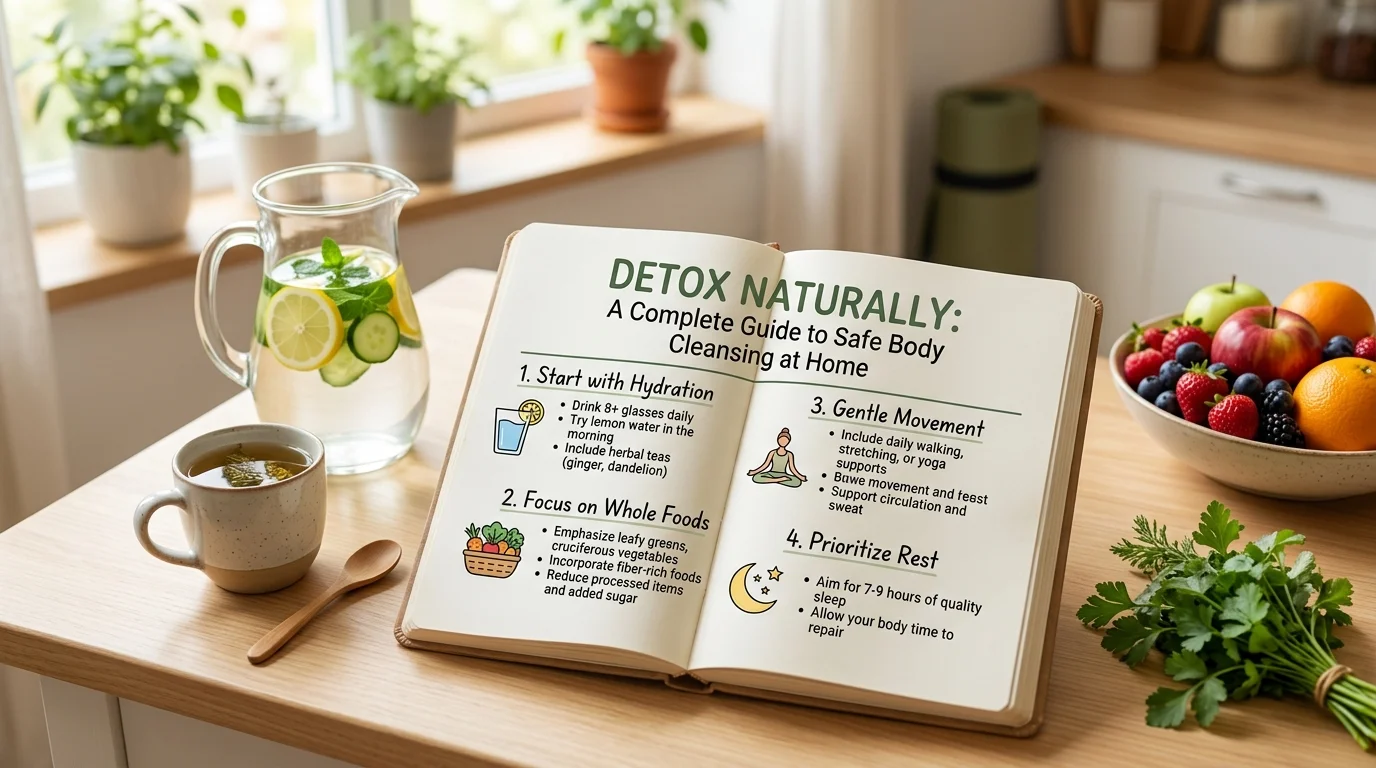
Table: 7-Day Natural Detox Plan
| Day | Morning Ritual (7 AM) | Breakfast (9 AM) | Lunch (1 PM) | Evening Drink (4 PM) | Dinner (7 PM) |
|---|---|---|---|---|---|
| Monday | Warm lemon water | Oatmeal with berries | Quinoa salad with greens | Green tea | Steamed broccoli + tofu |
| Tuesday | Cucumber mint water | Smoothie (spinach, apple, ginger) | Lentil soup + side salad | Dandelion root tea | Zucchini noodles + pesto |
| Wednesday | Turmeric ginger tea | Chia pudding (no sugar) | Brown rice + roasted vegetables | Coconut water | Baked salmon + asparagus |
| Thursday | Apple cider vinegar water | Buckwheat porridge | Chickpea wrap + hummus | Peppermint tea | Stir-fry bok choy + mushrooms |
| Friday | Warm water + lime | Berry + flaxseed smoothie | Miso soup + seaweed salad | Hibiscus tea | Stuffed bell peppers (rice + veggies) |
| Saturday | Parsley water | Gluten-free toast + avocado | Black bean bowl + salsa | Lemon ginger tea | Grilled chicken + cauliflower rice |
| Sunday | Celery juice | Coconut yogurt + walnuts | Zucchini + carrot noodles | Fennel tea | Vegetable stew + turmeric |
Introduction
The modern environment constantly exposes the human body to unwanted substances. Processed foods, polluted air, and chemical-laden products lead many people to seek ways to reset their internal systems. The phrase “detox naturally” has become a popular search term for individuals looking for safe, home-based methods to support their body’s innate cleansing abilities. Unlike extreme juice fasts or commercial detox kits that promise unrealistic results, a natural detox focuses on nutrition, hydration, rest, and elimination of toxins through the body’s own organs. This article provides a comprehensive, evidence-informed guide to detoxing naturally without starvation or expensive supplements.
What Does It Mean to Detox Naturally
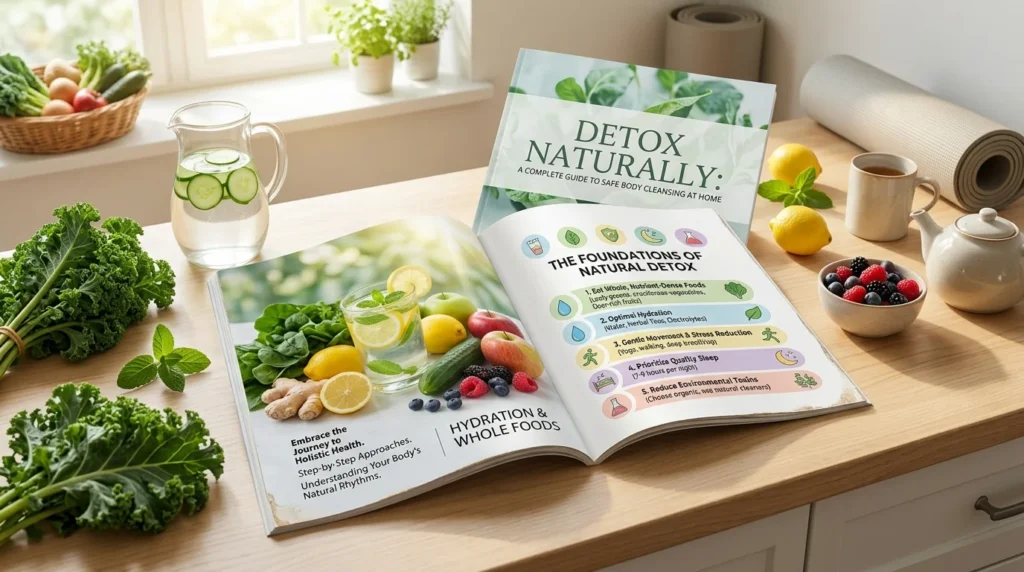
The human body is already equipped with a sophisticated detoxification system. The liver filters blood, the kidneys remove waste, the intestines eliminate solid matter, the skin sweats out impurities, and the lungs expel carbon dioxide. To detox naturally means to support these existing organs, not replace them. A natural detox does not involve enemas, laxatives, or extreme calorie restriction. Instead, it emphasizes whole foods, adequate water intake, quality sleep, and avoidance of new toxins. The goal is to reduce the toxic burden on the body so that its natural processes can work more efficiently. When someone decides to detox naturally, they are choosing to remove processed sugars, alcohol, caffeine, artificial additives, and inflammatory oils from their diet while increasing intake of fiber, antioxidants, and phytonutrients.
Benefits of a Natural Detox
A properly executed natural detox can yield multiple health improvements. Increased energy is often the first benefit people notice, as the body no longer expends excessive resources on digesting heavy processed foods. Clearer skin results from reduced inflammation and improved elimination pathways. Better digestion occurs due to higher fiber intake, which supports regular bowel movements. Weight loss may happen naturally without counting calories, as whole foods are more satiating. Mental clarity improves when blood sugar stabilizes and inflammatory compounds decrease. Additionally, a natural detox can reset taste buds, making healthy foods more appealing and reducing cravings for sugar and salt. Liver enzymes may show improvement, and many people report reduced joint pain and headaches after completing a natural detox protocol.
How to Detox Naturally: Step by Step
Step 1: Hydrate with Purpose
Water is the most critical component of any natural detox. Aim for 8 to 10 glasses of filtered water per day. Add natural enhancers like lemon slices, cucumber rounds, fresh mint, or a teaspoon of raw apple cider vinegar. Herbal teas such as dandelion root, milk thistle, ginger, and green tea provide additional antioxidants and support liver function.
Step 2: Eliminate Toxins First
Before adding detox foods, remove common stressors. Stop all processed foods, refined sugar, artificial sweeteners, alcohol, and tobacco. Reduce or eliminate caffeine gradually to avoid withdrawal headaches. Avoid non-organic produce known to carry high pesticide residues, commonly referred to as the Dirty Dozen. Switch to natural personal care products to reduce skin absorption of chemicals.
Step 3: Eat Detox-Supporting Foods
Certain foods directly support the liver and kidneys. Cruciferous vegetables like broccoli, cauliflower, Brussels sprouts, and kale boost liver detox enzymes. Leafy greens such as spinach, arugula, and Swiss chard provide chlorophyll, which helps neutralize toxins. Garlic and onions supply sulfur compounds essential for glutathione production. Beets and artichokes support bile flow. Berries, nuts, seeds, and green tea offer polyphenols that reduce oxidative stress.
Step 4: Support Elimination Channels
The body eliminates toxins through four primary routes. For bowel movements, consume 25 to 35 grams of fiber daily from flaxseeds, chia seeds, legumes, and vegetables. For urination, maintain steady hydration. For sweating, engage in moderate exercise such as brisk walking or sauna use for 20 minutes daily. For breathing, practice deep diaphragmatic breathing to expel carbon dioxide and stimulate lymphatic flow.
Step 5: Prioritize Sleep and Stress Management
Sleep is when the brain activates its glymphatic system to clear metabolic waste. Seven to nine hours of quality sleep per night is non-negotiable for a successful natural detox. Chronic stress elevates cortisol, which impairs liver detoxification pathways. Incorporate meditation, journaling, or nature walks to lower stress hormones.
Foods to Eat During a Natural Detox
Focus on organic produce when possible to minimize additional toxin exposure. The following foods are particularly beneficial:
Lemons and limes – Provide vitamin C and citrate to support liver enzymes.
Ginger – Reduces inflammation and stimulates digestion.
Turmeric – Contains curcumin which boosts glutathione production.
Green leafy vegetables – Rich in chlorophyll and fiber.
Beets – Support bile production and blood purification.
Cruciferous vegetables – Activate phase II liver detoxification.
Garlic and onions – Provide allicin and sulfur for heavy metal elimination.
Green tea – Supplies catechins that enhance liver function.
Flaxseeds and chia seeds – Soluble fiber binds to toxins in the gut.
Brown rice and quinoa – Gentle whole grains that provide B vitamins for energy metabolism.
Walnuts – Source of arginine and glutathione.
Artichokes – Increase bile flow from the liver.
Foods to Avoid Completely During Detox
Processed meats such as bacon, sausage, and deli meats contain nitrates and preservatives. Refined vegetable oils including soybean, canola, and corn oil are high in omega-6 fatty acids that promote inflammation. White flour products like bread, pasta, and pastries spike blood sugar. Added sugars in any form including honey, maple syrup, and agave should be minimized, though small amounts of fruit are acceptable. Dairy products can be mucous-forming for some individuals and are best eliminated during the initial detox phase. Alcohol is directly toxic to liver cells and must be avoided. Caffeine overworks the adrenal glands and can interfere with sleep quality.
Common Mistakes in Natural Detox
Many people attempt a natural detox but undermine their results through common errors. One mistake is extreme calorie restriction, which slows metabolism and causes nutrient deficiencies. Another error is relying on detox teas or supplements that contain laxatives, leading to electrolyte imbalances. Some individuals forget to increase fiber gradually, resulting in constipation or bloating. Failing to drink enough water while increasing fiber can worsen constipation. Detoxing while under high stress or with poor sleep reduces effectiveness. Lastly, returning immediately to old eating habits after a detox wastes the progress made, as the body becomes vulnerable to rebound cravings.
How Long Should a Natural Detox Last
The duration of a natural detox depends on individual goals and health status. A weekend detox of two days is sufficient for mild bloating or after a period of overeating. A one-week detox is appropriate for most people seeking general rejuvenation. A two-week detox allows deeper cellular cleansing but should only be attempted by healthy individuals. Anything beyond 14 days without medical supervision is not recommended, as prolonged restriction can lead to nutrient deficiencies. For chronic conditions, a sustainable whole-foods diet without processed items is better than repeated detox cycles. Most experts suggest performing a natural detox once per season or four times per year.
Signs Your Detox Is Working
Positive signs during a natural detox include increased energy after the first few days, clearer skin, reduced bloating, more regular bowel movements, improved mood, better concentration, and reduced joint stiffness. Some individuals may initially experience mild headaches, fatigue, or irritability as the body adjusts to the absence of sugar and caffeine. These symptoms typically resolve within 48 to 72 hours. If severe symptoms such as vomiting, diarrhea, or extreme weakness occur, stop the detox immediately and consult a healthcare provider. A well-designed natural detox should not cause significant discomfort.
Who Should Not Detox Naturally
Certain populations should avoid any form of detox. Pregnant or breastfeeding women require consistent nutrition and should not restrict calories or food groups. Individuals with diabetes must be cautious with fasting or juice cleanses due to blood sugar risks. People with eating disorders may find detox protocols triggering. Those with kidney disease cannot handle high mineral or potassium loads from certain detox foods. Patients on prescription medications should consult a doctor before making dietary changes, as detox foods like grapefruit or large amounts of greens can interfere with drug metabolism. Children and adolescents need full nutrition for growth and should not detox. Underweight individuals should also avoid detoxing.
Frequently Asked Questions (FAQs)
Q1: Can I detox naturally without buying expensive products?
Yes, a natural detox requires only whole foods, water, and rest. No expensive teas, patches, or powders are necessary.
Q2: How much water should I drink while detoxing naturally?
Drink at least 2.5 to 3 liters of filtered water daily. Increase slightly if you exercise or live in a hot climate.
Q3: Is it normal to feel worse during the first two days of a natural detox?
Yes, mild headaches, fatigue, or irritability are common as the body withdraws from sugar and caffeine. These symptoms typically last 48 to 72 hours.
Q4: Can I exercise while detoxing naturally?
Yes, moderate exercise like walking, yoga, or light jogging supports lymphatic drainage and sweating. Avoid high-intensity workouts during the first three days.
Q5: Will a natural detox help me lose weight permanently?
A natural detox often leads to short-term weight loss from water and bowel contents. Long-term weight management requires sustained dietary changes.
Q6: Can I drink coffee during a natural detox?
Coffee is generally avoided because it stresses the liver and adrenal glands. Herbal teas or hot water with lemon are better alternatives.
Q7: How often can I repeat a natural detox?
A one-week natural detox can be done four times per year, ideally with the changing seasons. Daily healthy habits are more important than frequent detoxes.
Q8: Are detox diets scientifically proven?
The concept of supporting natural detoxification pathways is supported by nutrition science. However, extreme cleanses lack evidence. This guide focuses on evidence-based dietary support.
Q9: What is the best drink to detox naturally?
Warm lemon water in the morning is excellent for stimulating digestion and providing vitamin C. Dandelion root tea is also highly beneficial for liver support.
Q10: Can children or teenagers detox naturally?
No, children and teenagers should not follow any detox protocol. They need consistent calories and nutrients for growth and development.
Conclusion
Learning to detox naturally is not about chasing a quick fix or subjecting the body to harsh cleanses. It is about returning to the basics of human health: clean water, whole plant foods, regular movement, restorative sleep, and the elimination of processed chemicals. The body already possesses an extraordinary ability to cleanse itself. The role of a natural detox is simply to remove obstacles and provide optimal nutritional support. By following the step-by-step methods and the 7-day plan outlined above, anyone can safely experience the benefits of a natural detox. Remember that sustainable health is built on daily habits, not weekly extremes. Use this guide as a starting point, then transition into a balanced, whole-foods lifestyle for lasting wellness.